The Secret to That Perfect Crust: Why We Use Medium Wave IR
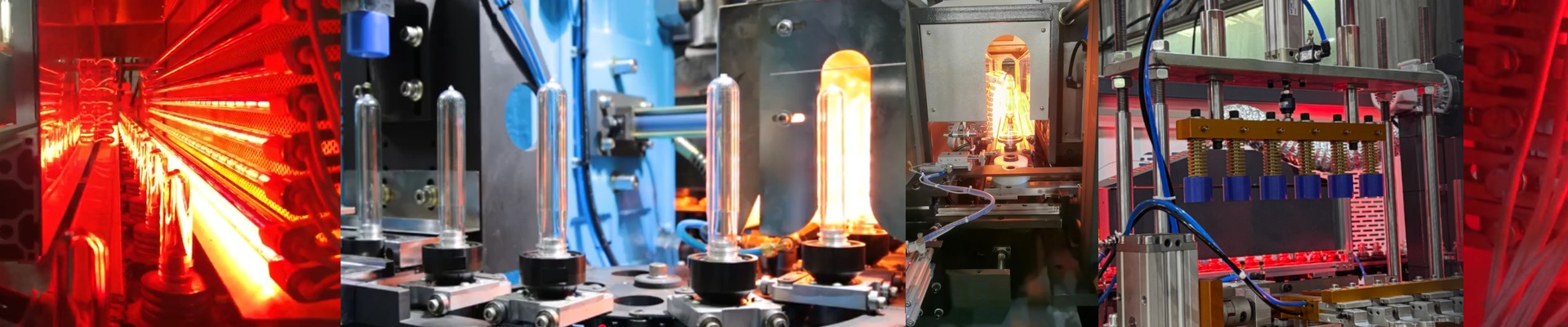
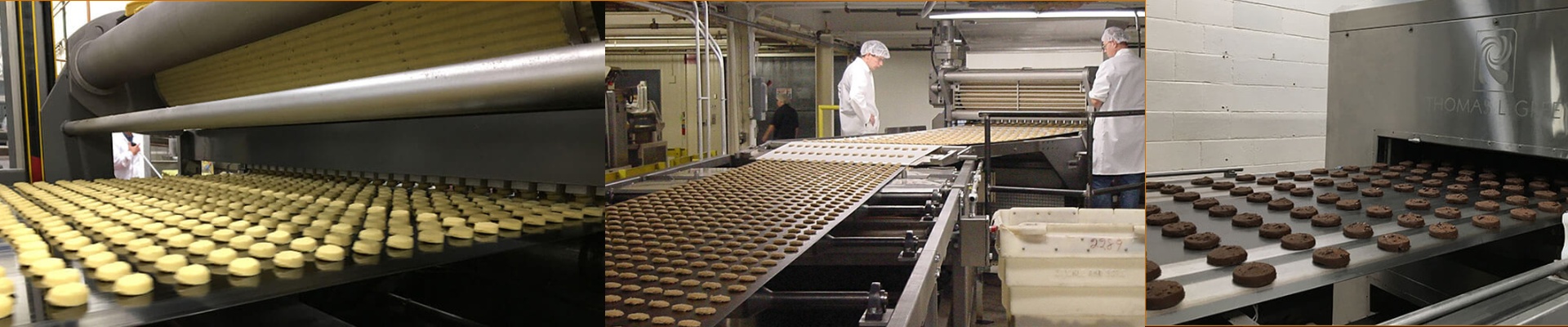
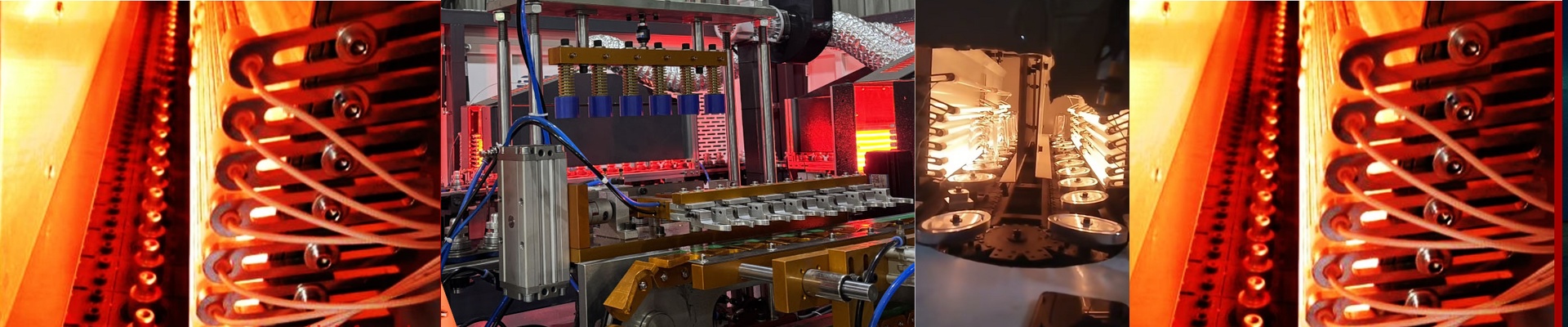
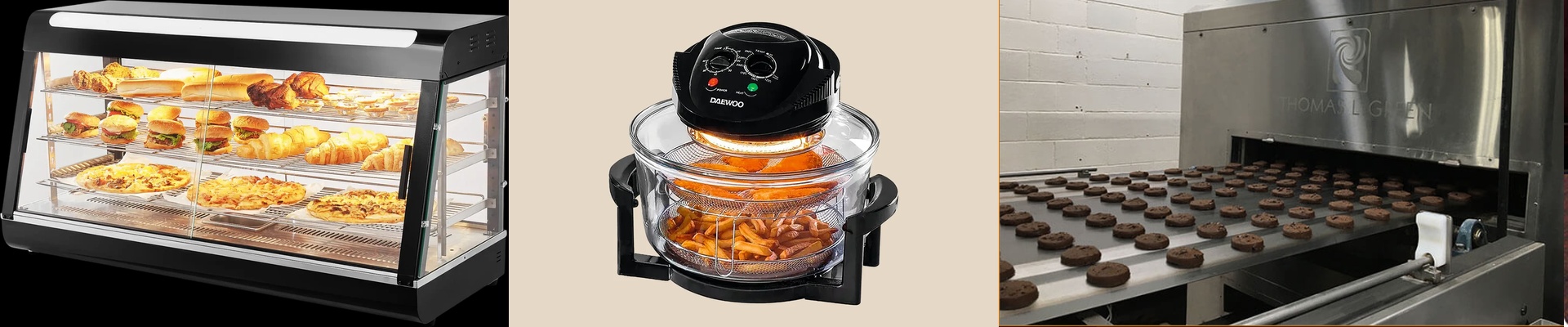
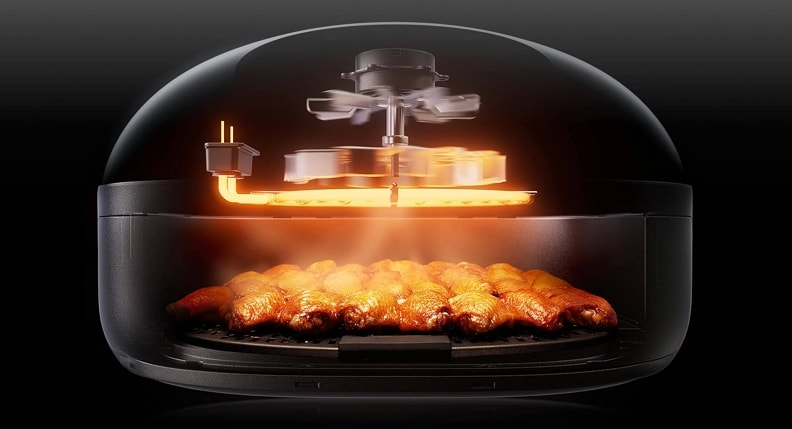
Standard convection ovens are fine, but they’re slow. They rely on moving air to get the job done, which is a bit like trying to warm up a room with a fan. We do things differently. We use Medium Wave Infrared (MWIR) emitters. Instead of waiting for the air to heat up, these emitters hit the dough surface directly. It’s the reason you get that aggressive “oven spring” and the kind of deep, golden caramelization that makes a professional loaf stand out. The science part (kept simple) You might wonder why we don’t just use short-wave lamps. Well, those tend to dive too deep into the bread. Medium-wave emitters stay focused on the surface. We tune these lamps to a specific range (2.0 to 3.0 microns) because that’s exactly where water and organic compounds in dough love to absorb energy. You get a crisp, set crust quickly, but the inside stays moist and fluffy. It’s the best of both worlds. Under the hood We build these using high-purity quartz tubes with filaments wound just right to keep the heat steady from end to end. If you’re plugging these into a big industrial setup, you’ll probably want higher voltage. It keeps the current draw low, which means your cables won’t get dangerously hot. And a quick tip on connectors: if your oven vibrates a lot or you’re swapping tubes constantly, skip the standard R7s. Go with the SK15. It’s heavy-duty and won’t burn out when things get really hot. The trade-off Now, here’s the catch. MWIR lamps pack a massive punch. You can crank up the heat in seconds, which is great for productivity, but it’s a lot for your control system to handle. You can’t just “set it and forget it.” You need a PID controller that samples data fast. If your sensors are in the wrong spot, you’ll end up with a burnt crust and a raw center. It’s all about the positioning and how you zone the heat. Get that right, and you’ve got a beast of a machine.