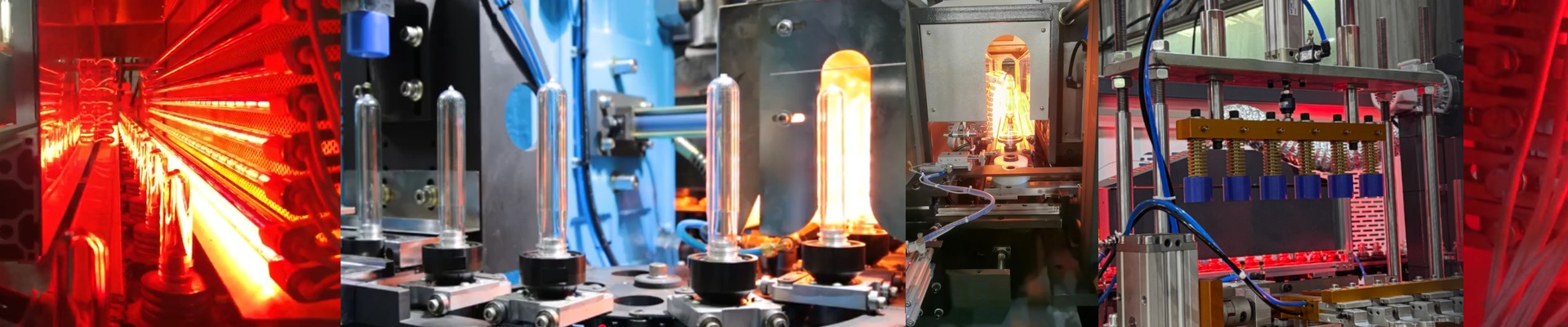
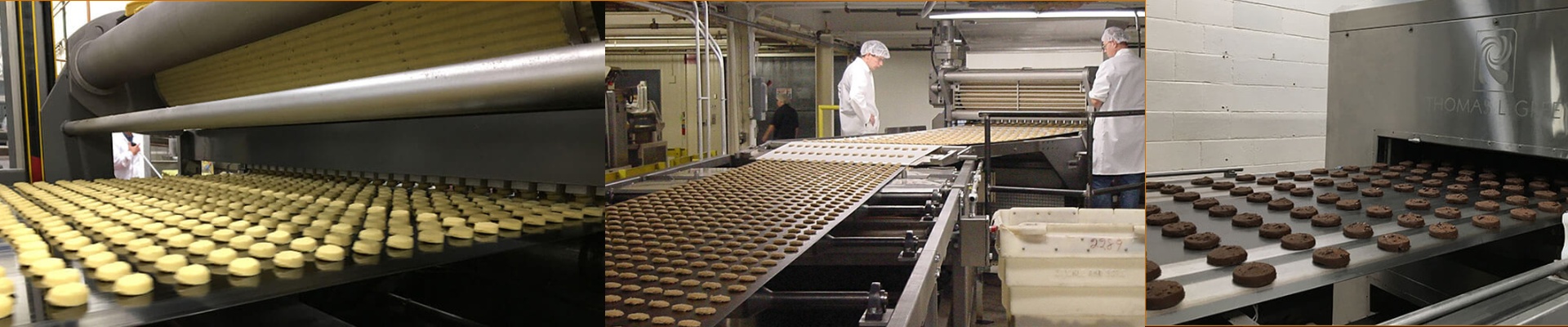
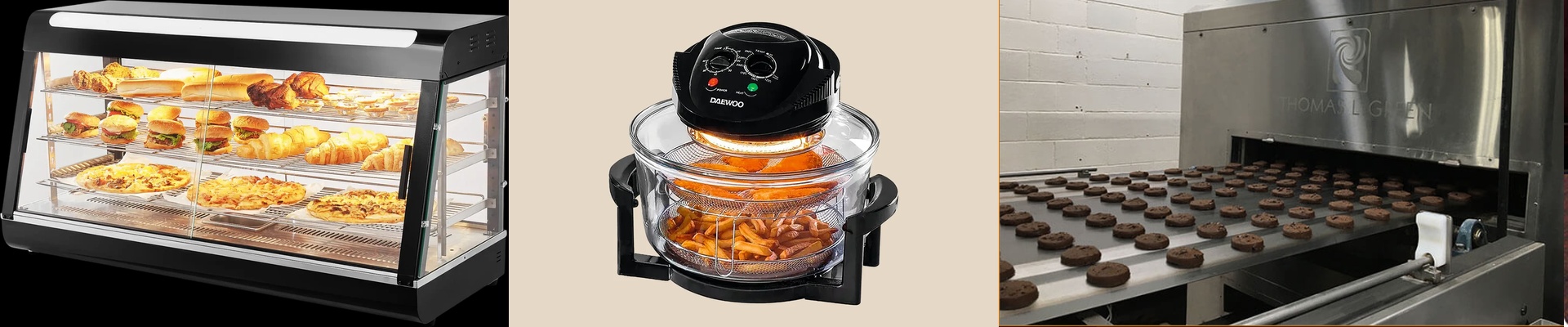
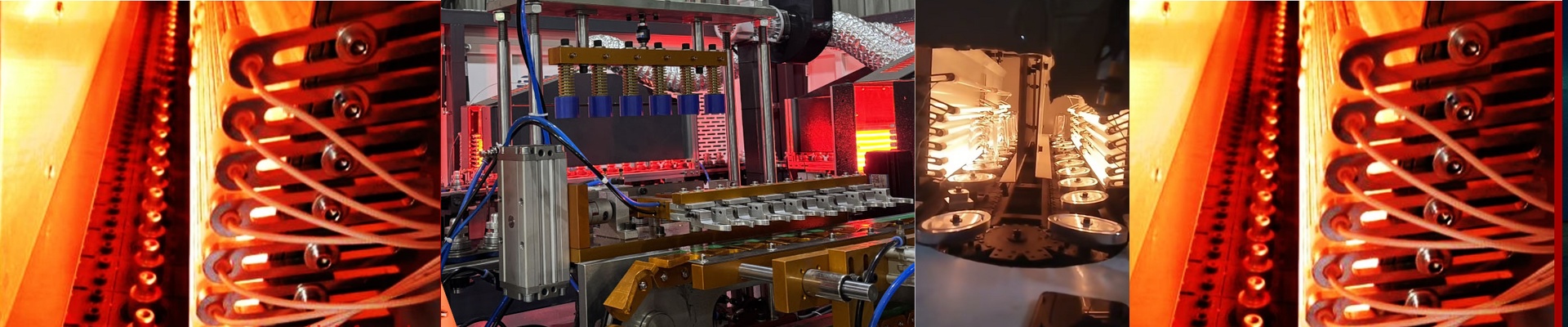
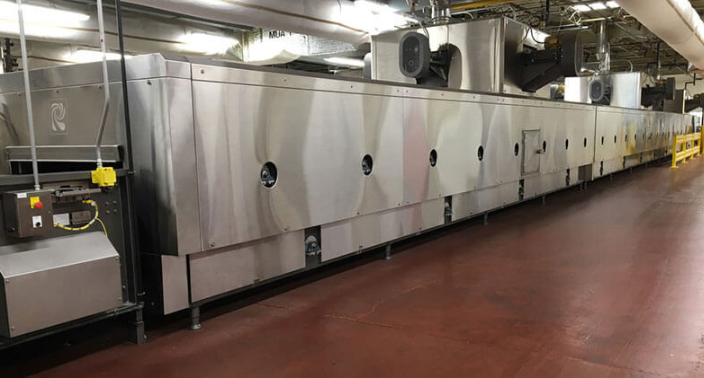
On a production line, oven downtime and uneven heat cost more than electricity—they cost repeat orders. When your deck oven or rotary oven struggles to recover after loading, you end up with pale tops, thick bottoms, and a schedule that slips. A short wave IR lamp is built to cut that cycle drag and keep the baking chamber temperature steady, even when the door keeps opening every few minutes. What matters technically Short wave IR lamps use quartz envelopes and a high-intensity filament to deliver intense radiant heat that penetrates dough quickly, right where the crust forms. Peak output is focused in the near-infrared band, so heat transfers straight to the product surface with minimal warm-up of the oven air. The payoff is fast temperature recovery and a shorter bake window, which helps you hit tight production windows without over-baking. We spec these lamps for industrial duty: high watt density, fast response, and a rated life that holds up to long shifts. Why it works in the real world In a commercial kitchen, consistency is the only metric that matters. Short wave IR brings the baking chamber back to setpoint faster, so every tray comes out the same—color, rise, and texture. You get quicker heat-up after maintenance, better caramelization on the crust, and less energy wasted heating empty air. For rotary ovens and high-volume decks, that translates to more trays per hour, fewer rejects, and a calmer service flow. Here’s what you need to know Short wave IR lamps deliver when they’re matched to the oven’s reflector geometry and control strategy. Reflectors have to be clean and properly aligned; otherwise, you lose intensity and create hot spots. And because the lamp runs hot, shielding and thermal clearances are non-negotiable. If your oven uses a thermostat with a slow cycle time, pairing the lamp with a faster control response will give you the full benefit. Plan mounting and wiring for service access—when you can change a lamp in minutes, uptime stays high.