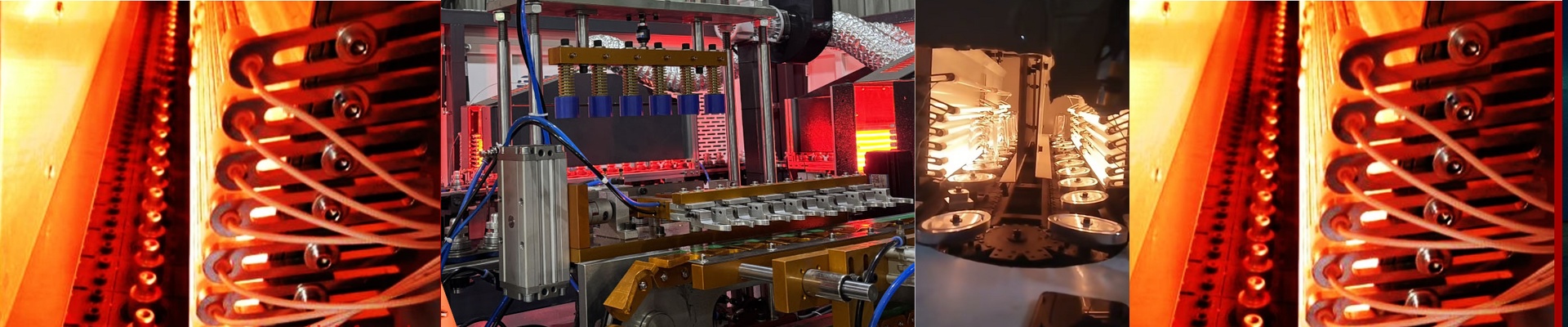
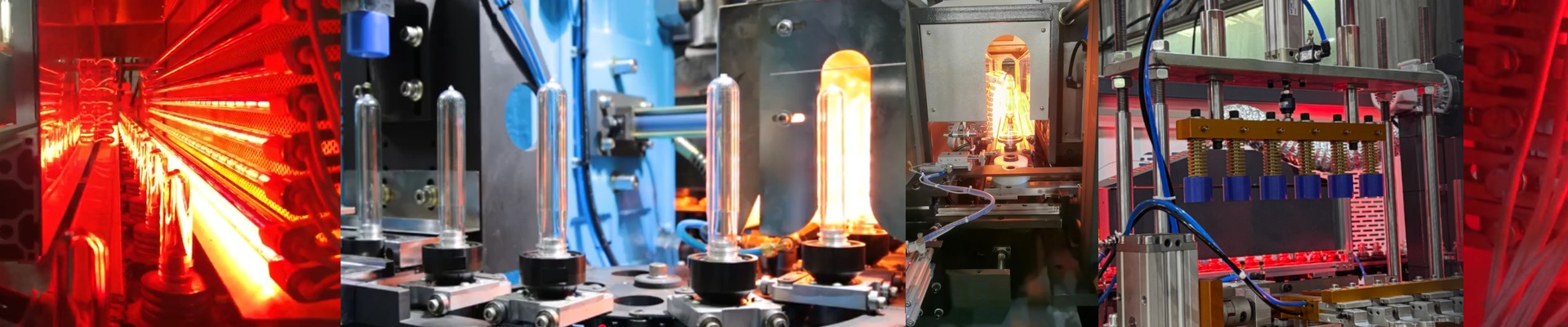
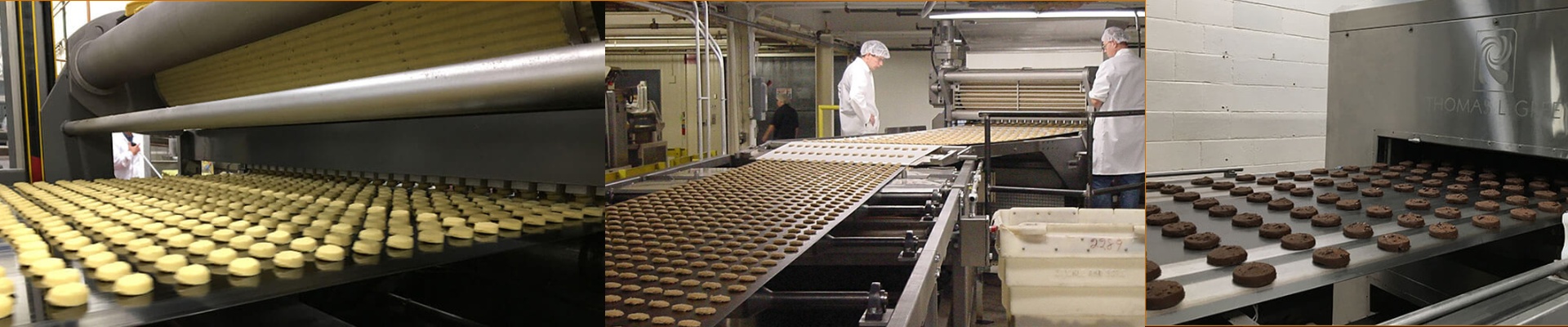
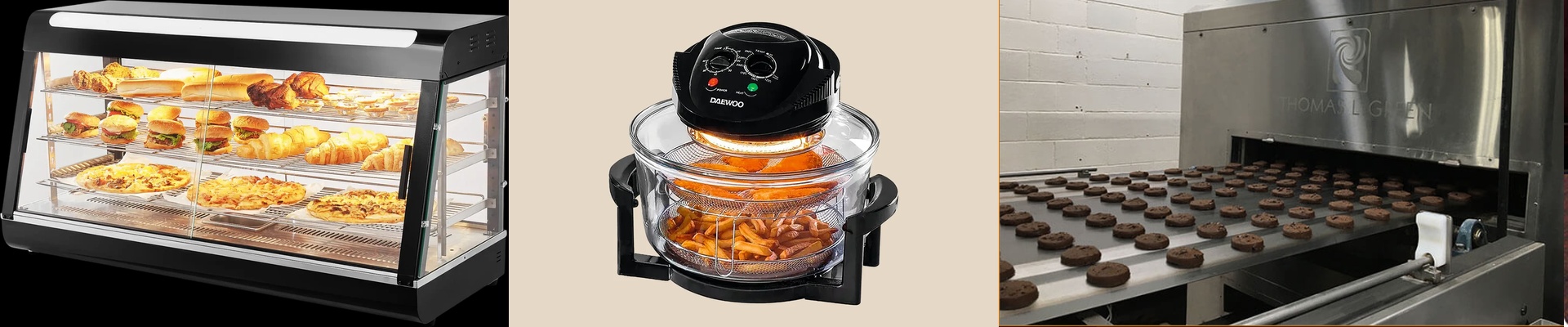
You know how top bakers get that perfect crust—crisp, golden, and just the right amount of depth—without turning the inside of the loaf into a desert? It’s not luck. They choose their tools deliberately. A stainless steel convection oven, paired with a halogen IR heater. That combo is the secret to getting color and texture fast, while keeping the crumb soft and alive. Here’s the heart of it. Halogen IR heaters are built around a compact quartz tube that cranks out serious heat density. In practice, you’re looking at 2500W, and it’s matched to 400V, not 230V. Why does that matter? Higher voltage means lower current. That keeps cables thinner and cuts down on voltage drop along the long runs inside the oven. The tube is around 300mm long, so the heat focuses into a tight zone. You can aim it right where you need it—directly on the surface of the bread or pastry. The top browns quickly while the inside keeps moving through its bake, exactly as it should. The tube is quartz for a reason. It handles rapid heating and cooling without cracking, and it stays clear to IR so the energy gets through. Inside, the halogen fill keeps the filament temperature steady, which means the heat output stays steady, too. A reflective coating on the back pushes more energy forward, so less heat leaks into the oven frame. And the connector? Usually R7s—double-ended, built for high heat. It gives you a solid mechanical fit and a reliable electrical connection. That matters when your line is humming, vibrating, and you’re doing regular maintenance. It’s the kind of detail that keeps failures from sneaking up on you. In a stainless convection oven, the airflow smooths out the temperature, and the IR heater gives you instant surface response. You get controlled browning and predictable bake times, all at once. The stainless shell stands up to steam and repeated cleaning, and the IR module is small with a fast heat-up. It fits. It works. But there’s a trade-off. That 2500W density needs proper airflow and heat management. If the oven’s cooling and ventilation aren’t matched to the IR load, you can overshoot on surface temperature. Spec the oven with the right air exchange, and you land in the sweet spot: consistent color, faster throughput, and far fewer rejects.