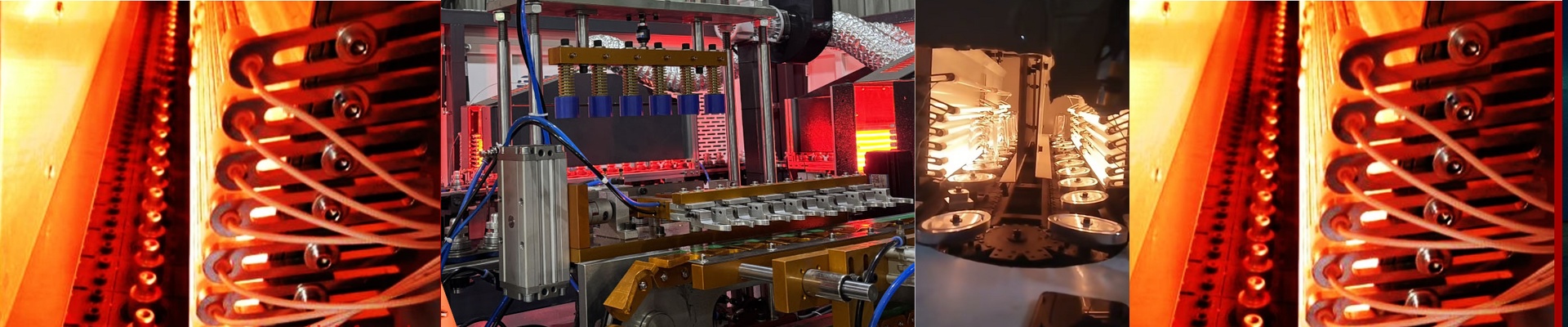
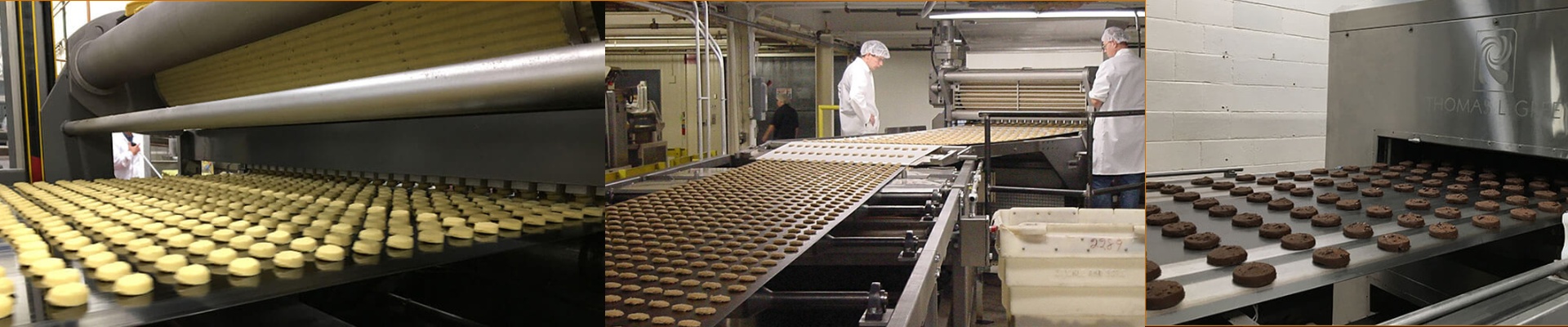
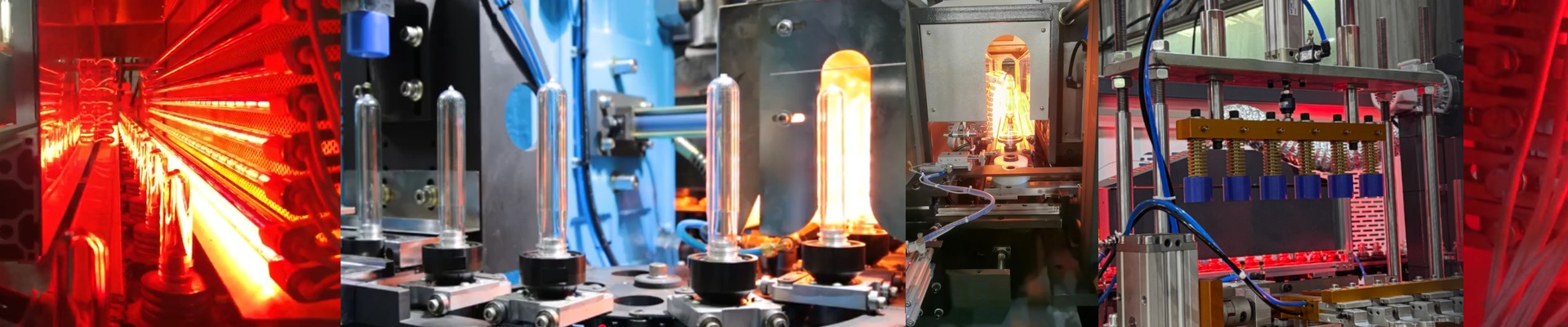
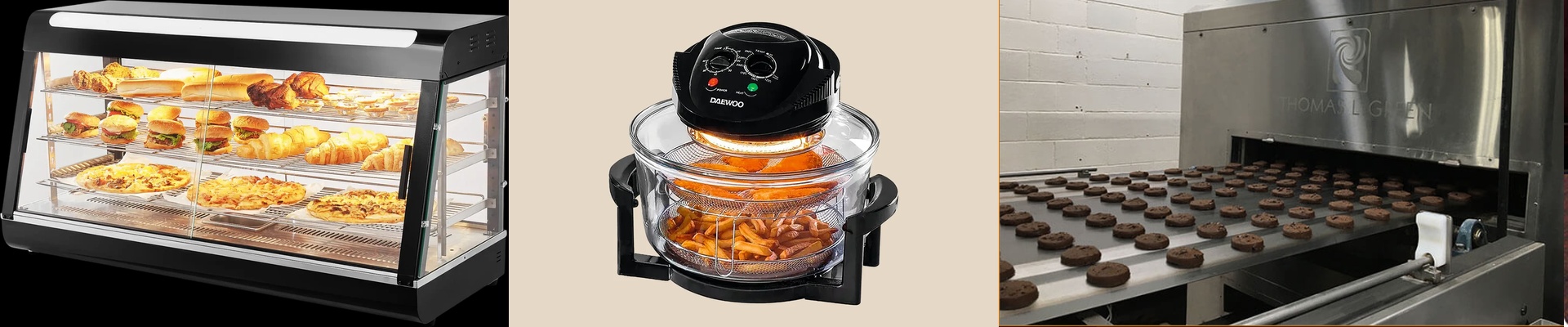
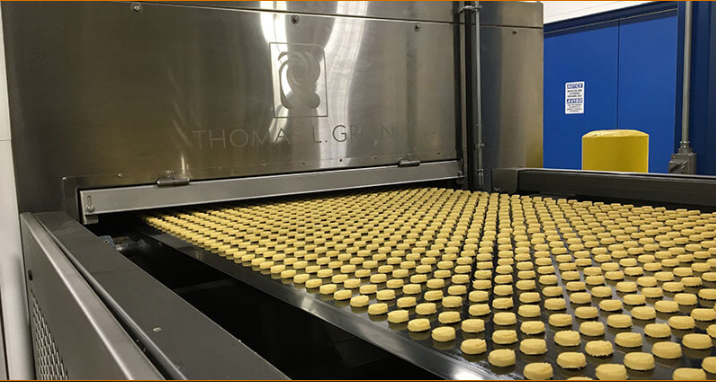
Walk into a busy bakery during the morning rush and see what happens when the deck oven’s top heat starts to fade. Crusts go pale, caramelization stalls, and the line backs up while you chase temperature with guesswork. That’s why we put quartz infrared heat lamps right where they belong—in the baking chamber, directly over the stone hearth—so you get instant, directional heat when you need it.
What matters, technically
Quartz infrared heating radiates energy straight into the dough, not into the air. The payoff is immediate response—full power in seconds—and tighter control because the lamp output follows the thermostat without lag. We match wavelength and wattage density to the oven’s load, so surface heat hits the crust fast while the interior keeps steaming and rising. The result is even radiation across the deck, consistent color, and fewer hot spots that force you to rotate trays.
Why this works in the real world
In a deck oven, rotary oven, or convection unit, top heat is the difference between a crisp, glossy crust and a dry, uneven one. Quartz lamps bring that top heat back on demand, shortening bake time when you need speed and protecting crust quality when you need depth. In practice, you get faster turnaround during service peaks, repeatable results batch after batch, and less wasted energy heating empty air. The lamps also hold output steady over long shifts, so you stop compensating for temperature drop as the oven works through the day.
Things to keep in mind
Quartz infrared lamps run hot at the element, so clearance and shielding have to match your oven’s interior layout. They perform best when the lamp array is matched to the baking chamber size and the power circuit can handle the inrush current. You’re getting serious output, but plan for proper mounting and ventilation to keep components—and your staff—safe.