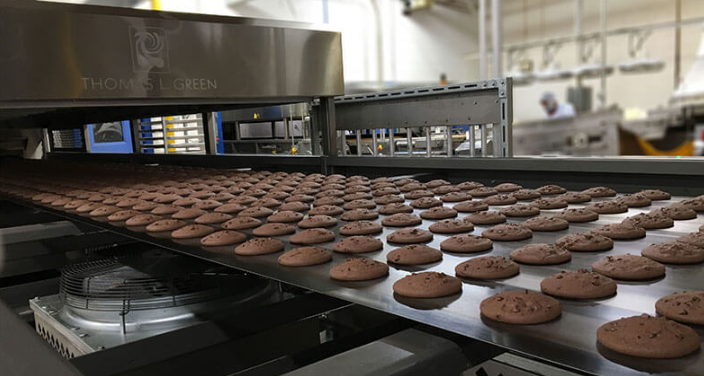
When the heating element on your heavy-duty bread oven starts to wander, you feel it right away—inconsistent bake. Top crusts race ahead while bottoms lag. The caramelization you bank on just falls short. On a deck oven or rotary oven running long hours, that drift doesn’t just mess with quality, it bleeds product and time.
What matters under the hood
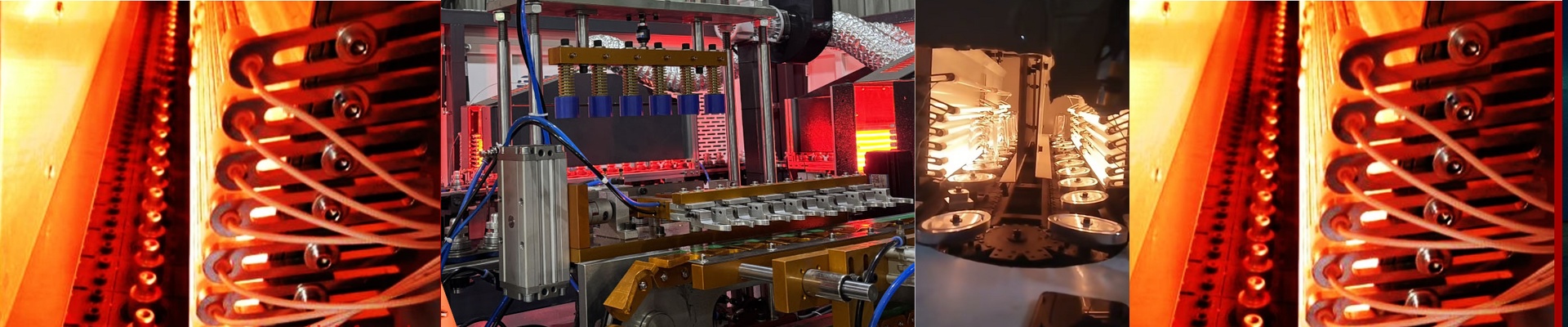
We build replacement thermal elements around one idea: repeatable heat. In a heavy-duty bread oven, you need stable temperature across the stone hearth and fast recovery every time the door swings open. We match element watt density to the baking chamber geometry so heat spreads evenly instead of piling up in hot spots. You get tight control—about ±5°F at setpoint—and quick response, so the oven snaps back to target between loads. The element geometry and mounting are worked out to keep spacing and contact consistent, which is what gives you uniform crust development and controlled browning.
Why this matters in a working bakery
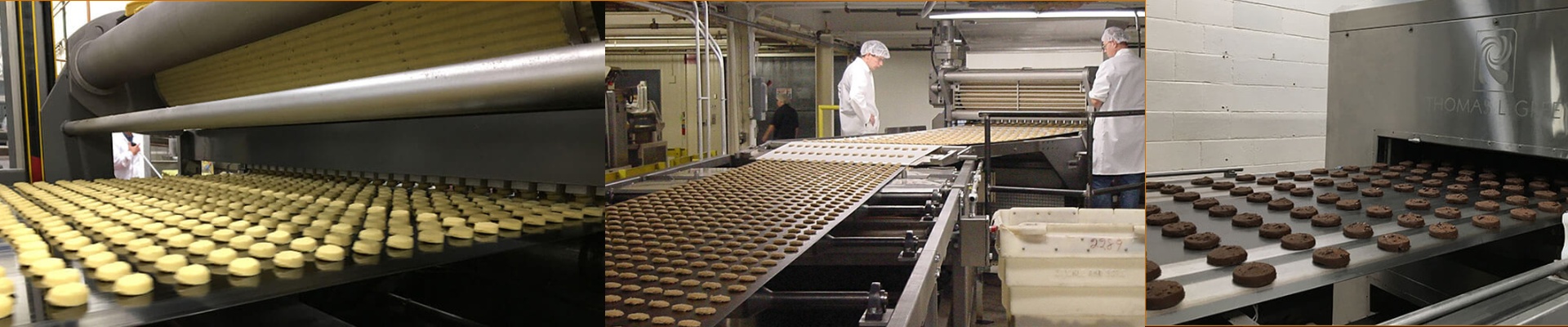
In a bakery, the oven sets the pace. A dependable element keeps bake cycles predictable, so your schedule holds and your dough proofing window doesn’t get knocked off. You see more consistent loaf volume, better blistering, and a cleaner crumb because the heat profile stays steady. Energy use drops, too. The element comes up to temperature fast and holds it without over-cycling. And when uptime is everything, a well-matched thermal element cuts down on unplanned shutdowns—keeping your rotary or deck oven moving through morning rush and late-night bakes.
What to check before you swap
Before you drop in a replacement, confirm the oven’s voltage, amperage, and terminal configuration. Double-check clearance to the stone hearth and surrounding insulation. Match the original element’s length, wattage, and connector type—get that wrong and you’ll see uneven heating or premature failure. Do the changeover during a cool-down cycle, then verify thermostat calibration afterward.An out-of-spec control can make even the best element look weak.