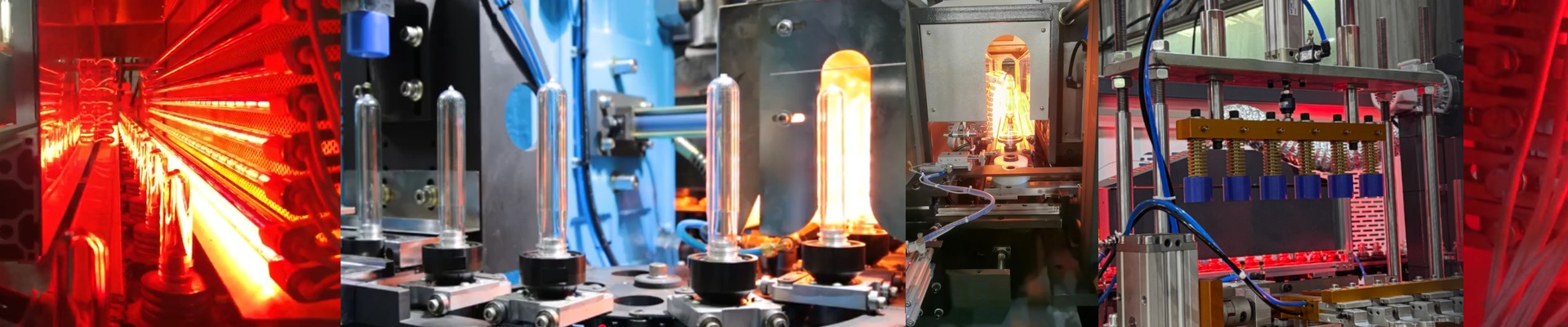
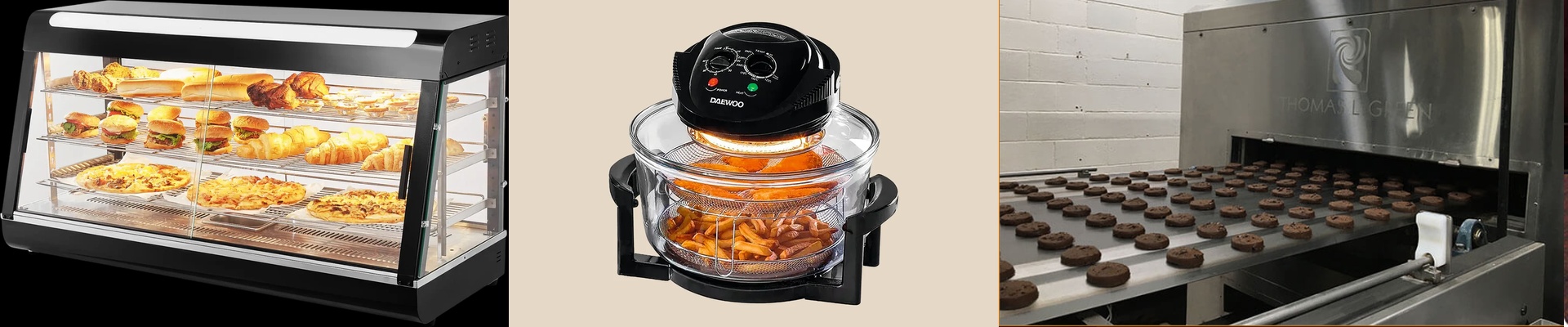
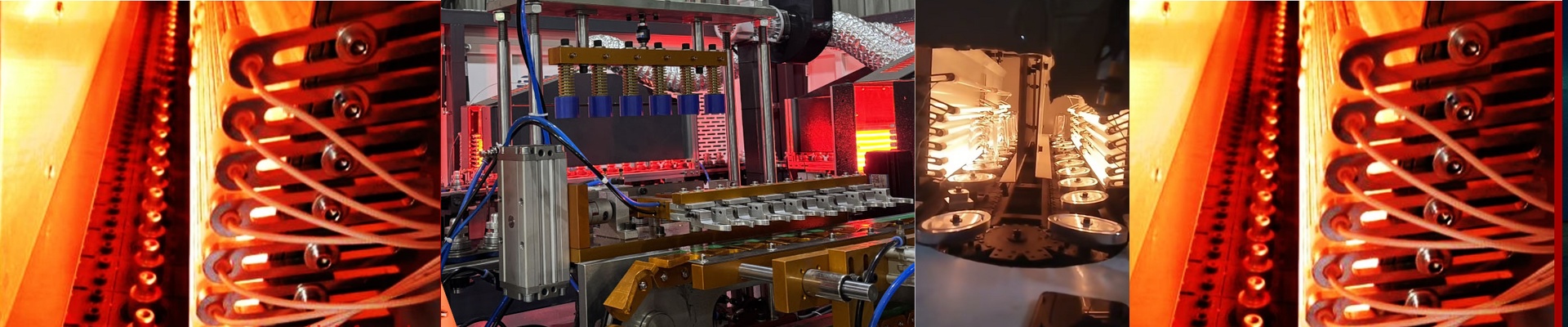
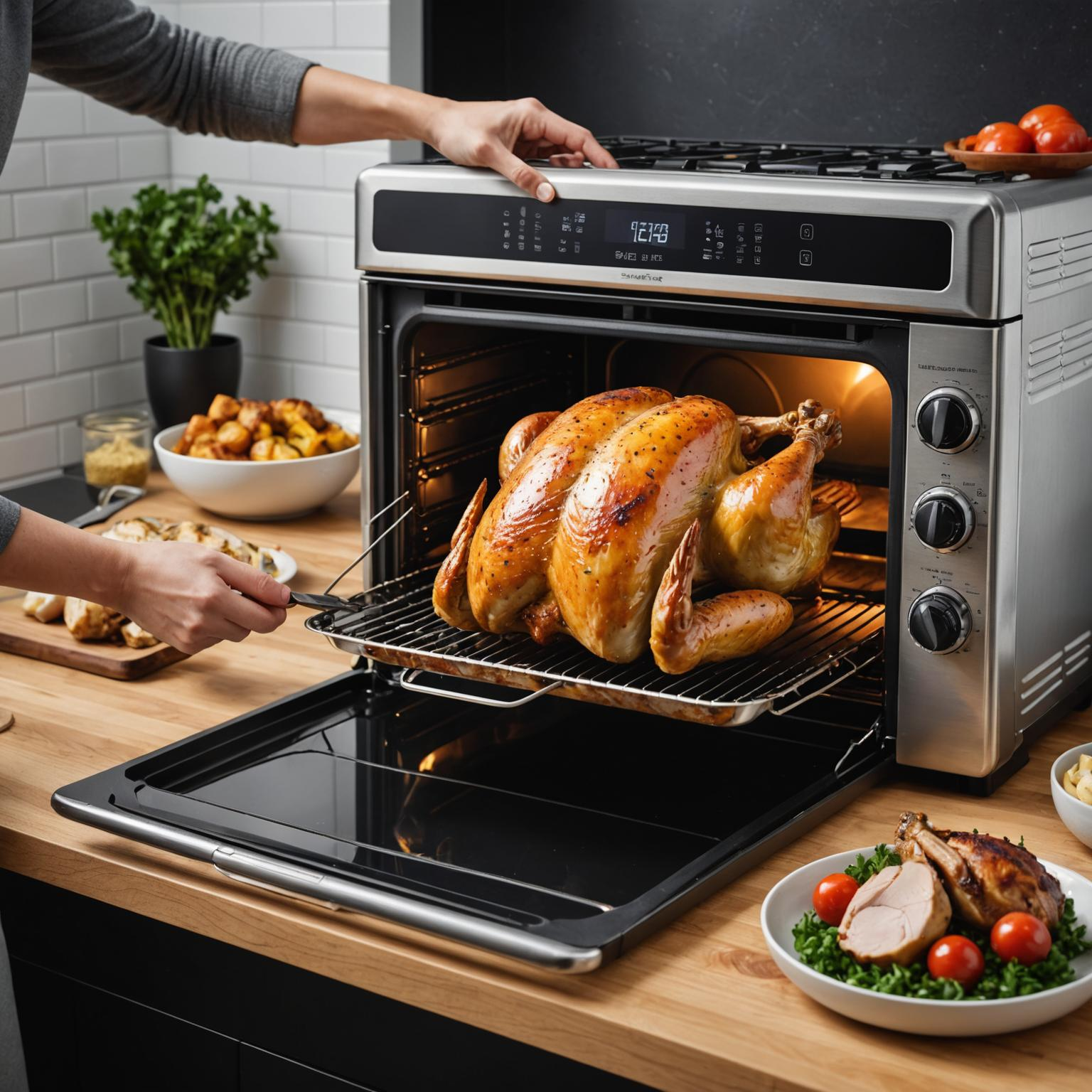
When the holding cabinet starts drifting off temp, or the bottom heat on your deck oven goes flat, the whole line scrambles. A weak warming element doesn’t just lose temperature. It dries out crusts, softens bread, and turns sautéed toppings limp before the plate even hits the pass. You need a fix that’s direct, tough, and repeatable. What matters under the hood We built this replacement ceramic heater for heavy-duty warming stations and ovens that need steady, even heat. The ceramic body runs hot and stable, and it shrugs off thermal shock and moisture ingress. Typical ratings run 1.5–3.0 kW, 120/240 V, with fast response and tight tolerances so the thermostat can hold temperature without wild cycling. Terminals and mounting match common warming cabinet footprints and oven chambers, so swaps take minutes, not hours. Why this works in a real service window In pizza holding, stable heat keeps cheese elastic and sauce bright, not soupy. For proofing and finishing, it preserves crumb structure without drying the surface. On a busy pass, the warming station holds sautéed mushrooms, roasted vegetables, and sauces at safe, serviceable temps—without scorching or cooling off. The payoff: fewer rejected plates, fewer remakes, and a calmer expo window when the rush hits. Here are the details that matter on the install Match voltage and wattage to the cabinet or oven, and confirm clearance around the element—airflow is half the equation. Ceramic heaters run hotter than some alternatives, so they shine in dry holding, but you can see hot spots in very low-water environments. Keep air moving and use pans that spread heat. Always verify connector type and mounting spacing before ordering, and power down the unit before replacement.