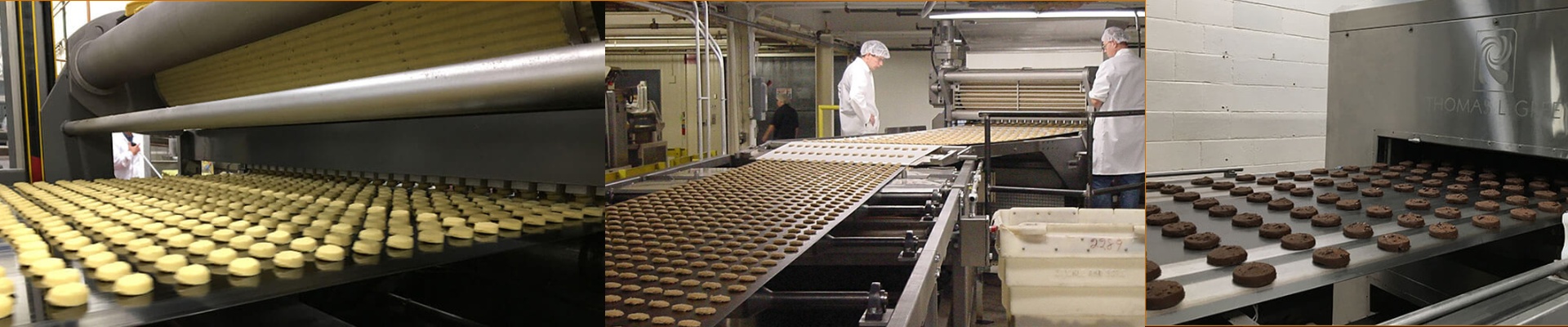
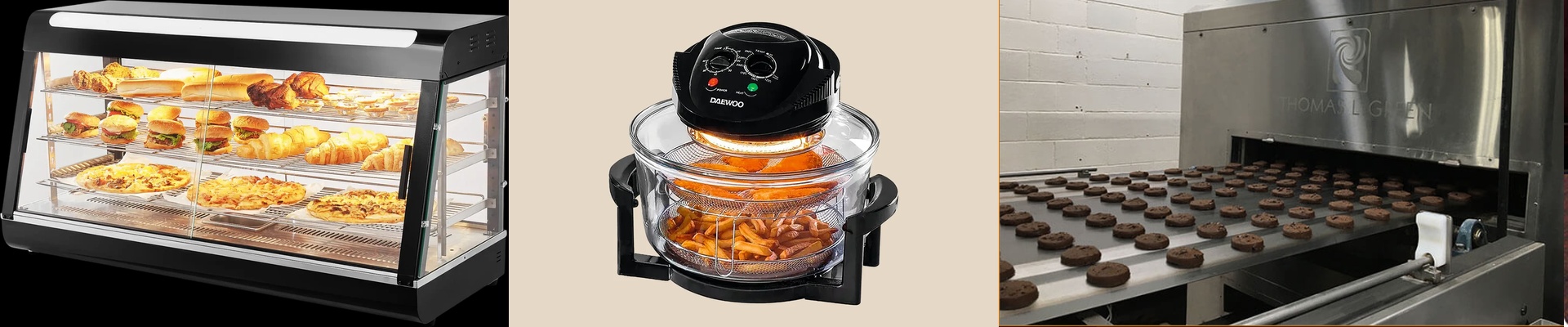
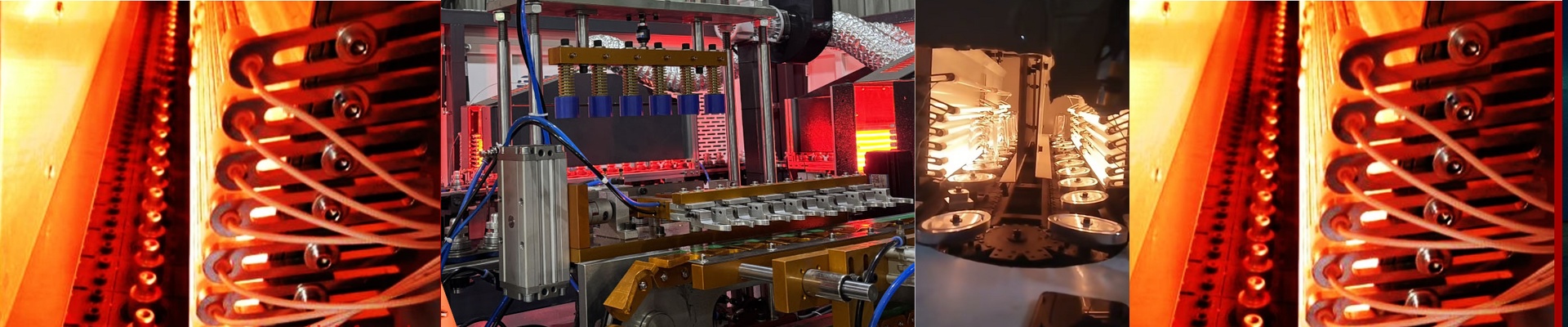
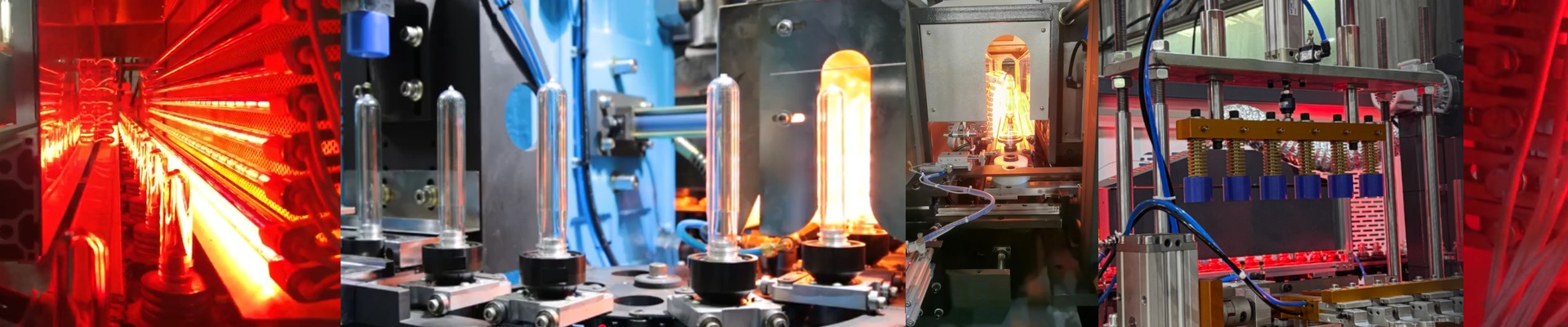
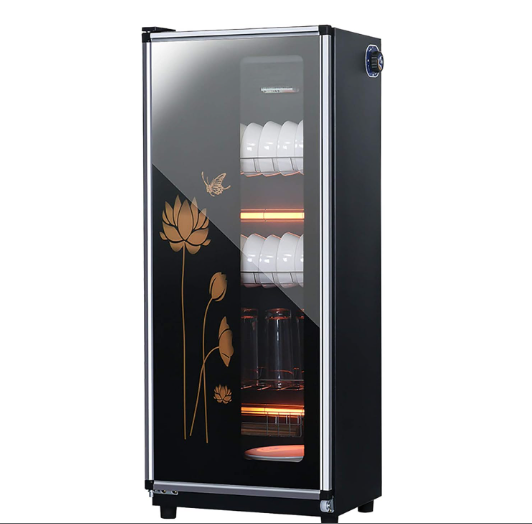
You know that feeling when the rush hits and the ovens have to deliver—every single time. A deck oven that can’t hold steady, a rotary oven that takes forever to come back to temperature, a food warmer that either dries product out or can’t hold a consistent heat. When the heat doesn’t respond the way you need, you lose minutes, you lose consistency, and you lose margin. That’s exactly where ceramic infrared tube heaters earn their keep. They were built for the reality of commercial ovens and food warming cabinets: fast recovery, tight control, and even energy delivery across the baking chamber.
What matters on the technical side
Ceramic infrared tube heaters are engineered to turn electricity into radiant heat with predictable output and repeatable behavior. The ceramic body keeps the heating element in a stable thermal structure, and the tube shape projects the energy in a directional pattern you can aim right where you need it—deck surface, pan, or holding area. **Temperature control and stability.**In a commercial oven, you’re not just chasing a setpoint; you’re fighting temperature swing. Ceramic infrared tubes heat quickly and switch on and off with tight timing, which helps the thermostat keep the baking chamber closer to the target. In practice, that means less time waiting for recovery after loading, and fewer moments where product bakes unevenly because the heat wavered. **Heating uniformity.**Radiant heat from a tube spreads across the target with a measurable pattern. When you place and aim multiple tubes properly, the energy overlaps to reduce hot and cold spots. This matters on a stone hearth, where uneven heat shows up as inconsistent crust color. It matters in a food warming cabinet, where uneven heat shows up as dry edges and cool centers. **Response speed.**Ceramic infrared tubes come up to operating temperature fast. For you, that means quicker preheat and faster recovery after door openings. In a busy service, those minutes add up—fewer idle minutes waiting for the oven to come back to temperature, and more consistent timing bake after bake. **Energy use per cycle.**Because the heat is directed and the response is fast, you’re not wasting energy heating unused mass. The oven comes up to temperature quickly and holds it with short duty cycles. That’s how you get more bakes per kilowatt-hour and lower operating cost over time. **Durability in a commercial environment.**The ceramic construction resists thermal shock from repeated heating and cooling, and the sealed tube design keeps the heating element protected from grease, steam, and cleaning cycles. In a kitchen, that translates to fewer service call-outs, fewer replacements, and uptime you can rely on.
Why this works where it matters
In a commercial oven—deck, rotary, or convection—the heat has to hit the product, not just the air. Ceramic infrared tubes deliver energy straight to the surface, and that matters for crust formation, caramelization, and color. **Deck ovens.**On a stone hearth, you need stable, even heat to develop a consistent crust without scorching. Ceramic infrared tubes can be positioned to even out the hot zones that tend to show up near the door and around the perimeter. The payoff is a more consistent bake across the entire deck, so you don’t have to rotate pans just to salvage color. **Rotary ovens.**Rotary ovens depend on consistent heat delivery across rotating racks. When the heater recovers quickly, the oven returns to temperature fast after loading, so the first pans and the last pans bake the same. Fast recovery also shortens the time between bakes, which helps throughput. **Convection ovens.**In convection ovens, air movement carries heat, but radiant energy still matters for surface browning. Ceramic infrared tubes add direct radiant heat that helps color develop faster, so you can hit target doneness without overcooking the interior. **Food warming and holding.**Holding cabinets and food warmers need stable, gentle heat to keep product at temperature without drying it out. Ceramic infrared tubes provide radiant warmth that helps maintain moisture, and their fast response keeps temperature within a tight band when the door opens and closes. When the heat falters, you see it immediately: inconsistent crust, overcooked edges, undercooked centers, and wasted product. With ceramic infrared tubes, you get repeatable performance that keeps pace with service.
What you need to know
Ceramic infrared tube heaters are straightforward, but real kitchens come with real constraints. **Installation and compatibility.**These heaters are designed to fit standard mounting points, but the exact layout—number of tubes, spacing, and aim—depends on the oven model and your baking profile. Get the layout right and you get even heating. Get it wrong and you’ll be chasing hot spots. We size and position the tubes to match the chamber geometry and the expected load. **Clearance and environment.**Keep proper clearance to avoid overheating nearby components, and keep the tubes clean of grease and carbon buildup. A clean tube runs at rated output; a dirty tube loses efficiency. In high-steam environments, make sure the end seals and mounting hardware are up to the conditions. **Electrical requirements.**Ceramic infrared tubes are typically specified for a given voltage and wattage. Match the wiring, connectors, and control components to the heater rating. If the oven control cycles the heater too slowly, temperature drift will show up in the product. If it cycles too fast, the heater and control can wear prematurely. **What to expect.**Even with precise control, radiant heat has a pattern. In some ovens, you may still need to rotate pans for perfect uniformity. That’s normal. The goal isn’t to eliminate rotation; it’s to reduce variability and make your bake schedule more predictable. When you need heat that responds, holds steady, and delivers consistent results, ceramic infrared tube heaters are a practical upgrade for commercial ovens and food warming equipment. They give you control where it counts—on the product surface, in the timing of the bake, and in the cost per cycle.