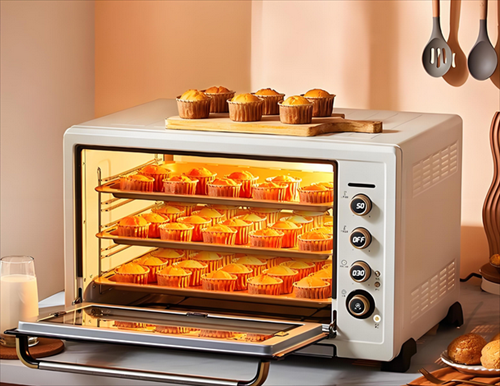
When service hits, you don’t have time to wait on a deck oven coming up to temp. And you sure can’t afford dark spots on a pizza or bread going stale under the heat lamp. Heat has to show up fast, land even, and hold steady through the rush.
What actually matters under the hood
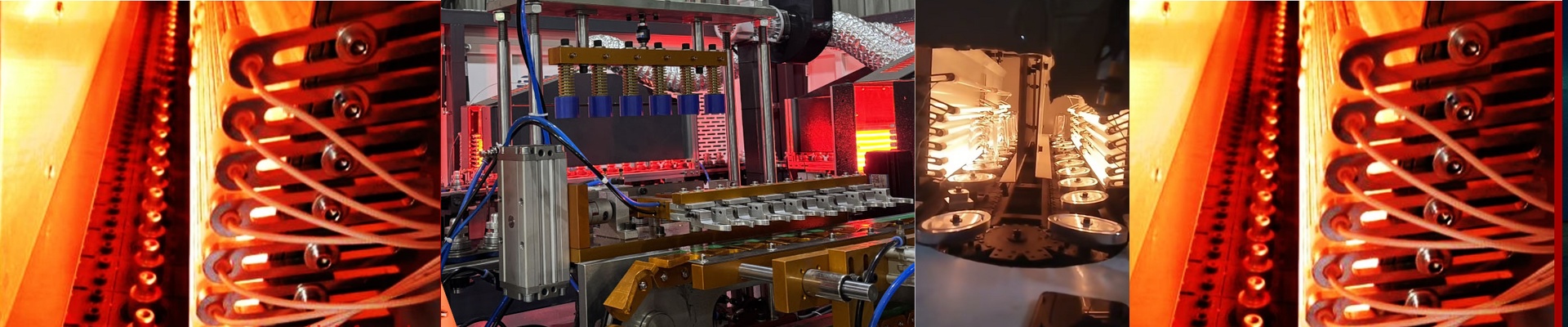
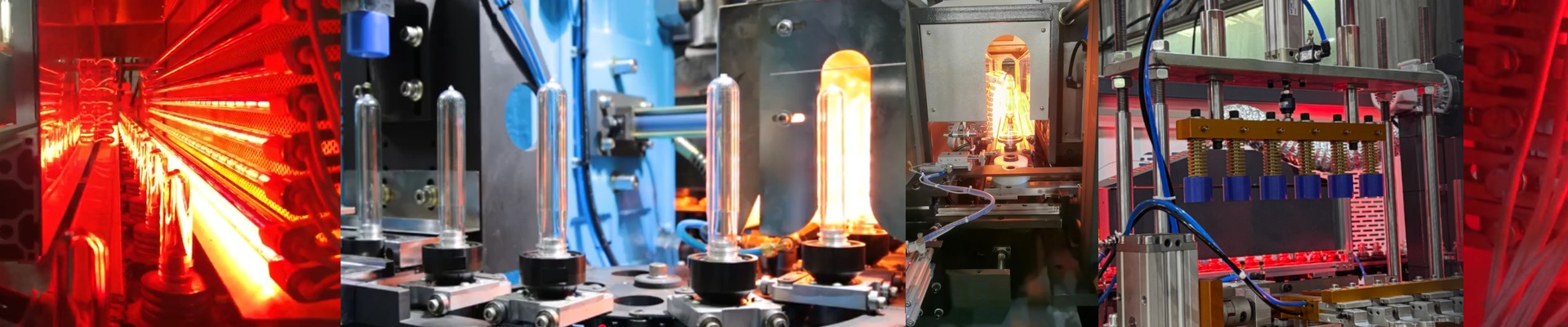
A quartz snack machine ceramic heater is built around a quartz tube with a dense ceramic core inside. It throws short-wave infrared, so it comes up in seconds instead of minutes, and it delivers high radiant output with tight control. In real life, that translates to faster recovery after you load cold dough, even surface heat across the stone hearth, and holding temps that don’t swing hot and cold. The ceramic core holds heat, so once the element stabilizes, it runs smoother. The quartz envelope keeps the heat aimed where you want it—on the product, not bleeding into the cabinet.
Why this fits the work we do
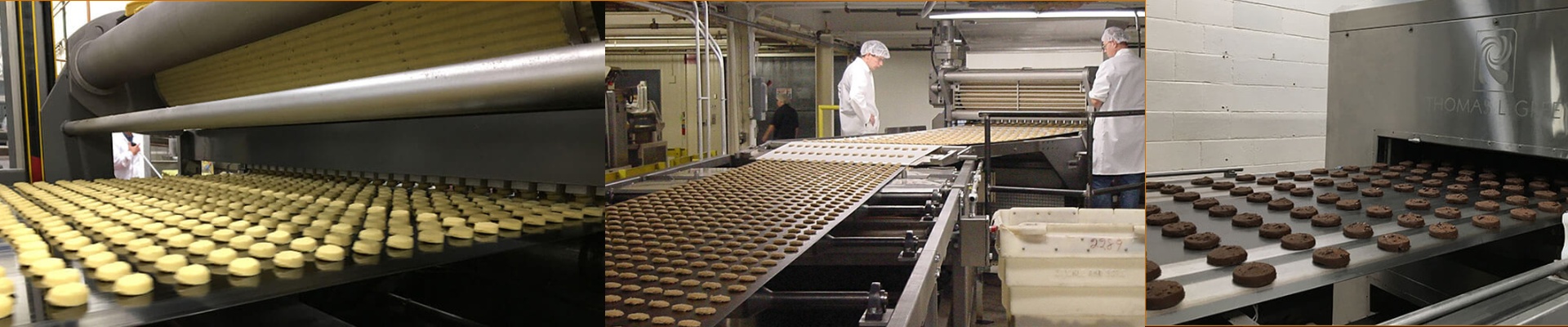
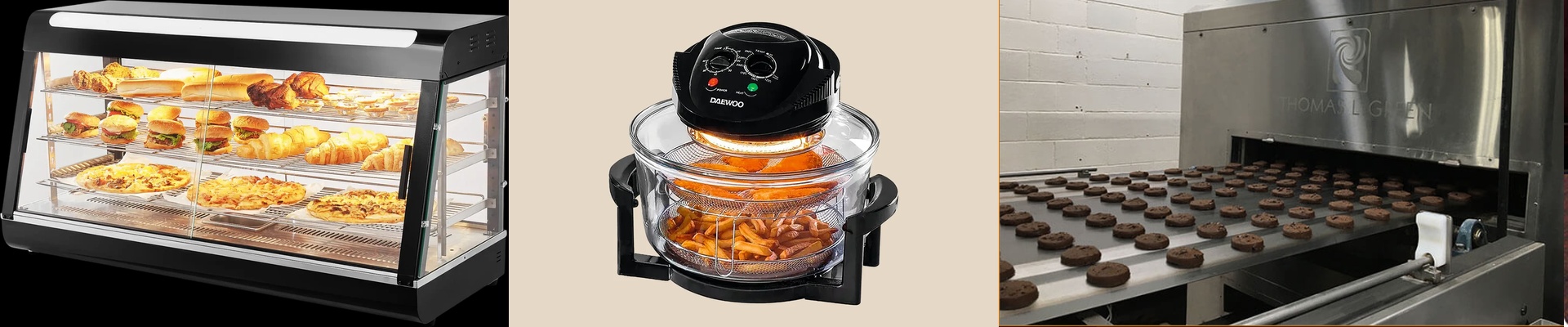
On pizza service, the quartz ceramic heater brings the deck up to bake temp fast and keeps it there. Crusts blister. Cheese melts clean. Every time. In bakery work, it supports crisp crust development and even caramelization across pans and sheet pans, cutting down the edge effect that comes from uneven heating. For warming and holding, it holds steady temps for ready-to-serve items, so food stays moist without overcooking. The quick heat-up also shortens preheat. That saves energy each shift and helps you turn more covers when the rush hits.
What you need to keep straight
Quartz ceramic heaters perform best when they’re matched to the oven’s load profile and voltage. They need proper clearance for airflow and a clean mounting surface, and they run most efficiently in a well-insulated baking chamber. Expect faster temperature changes than you get with traditional elements. That’s ideal for busy service—but it also means thermostat and probe placement matter. Get that right, and the heater will run consistently through long service, with less stress on the control system.