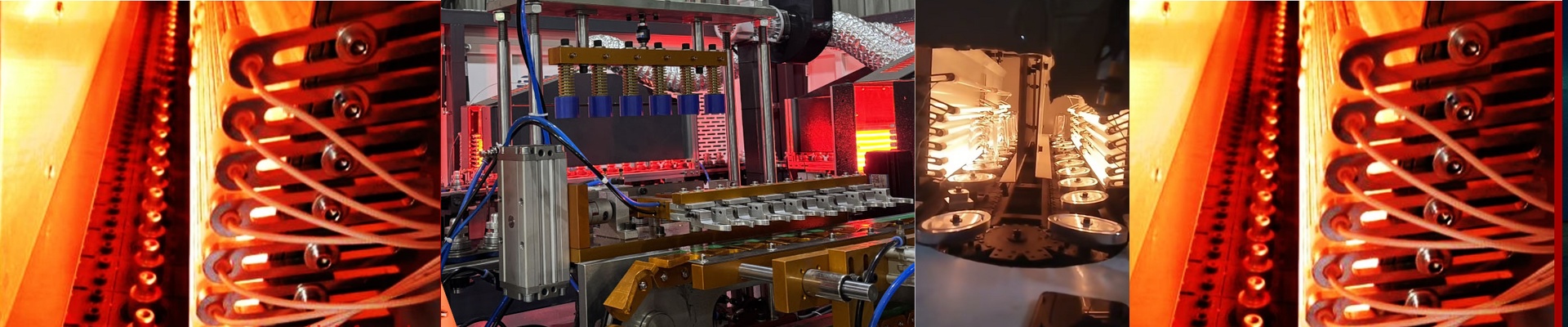
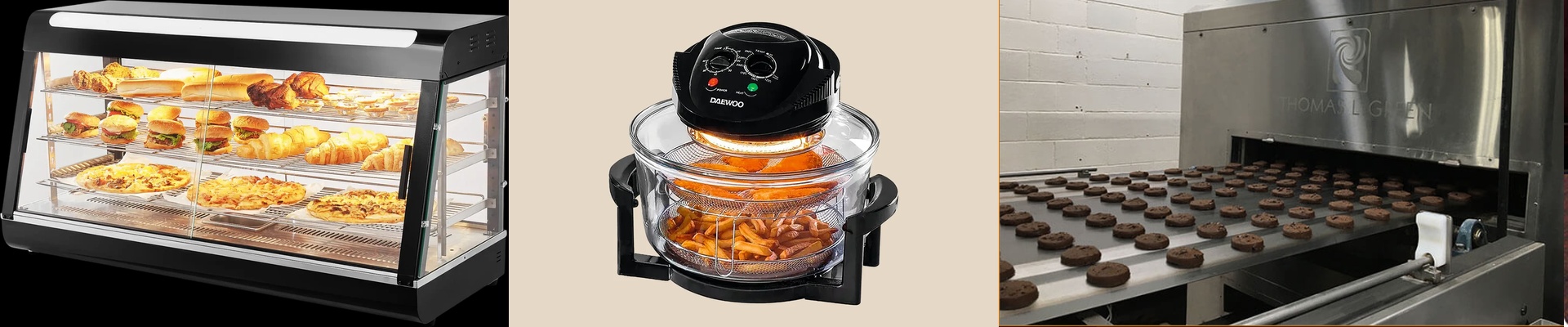
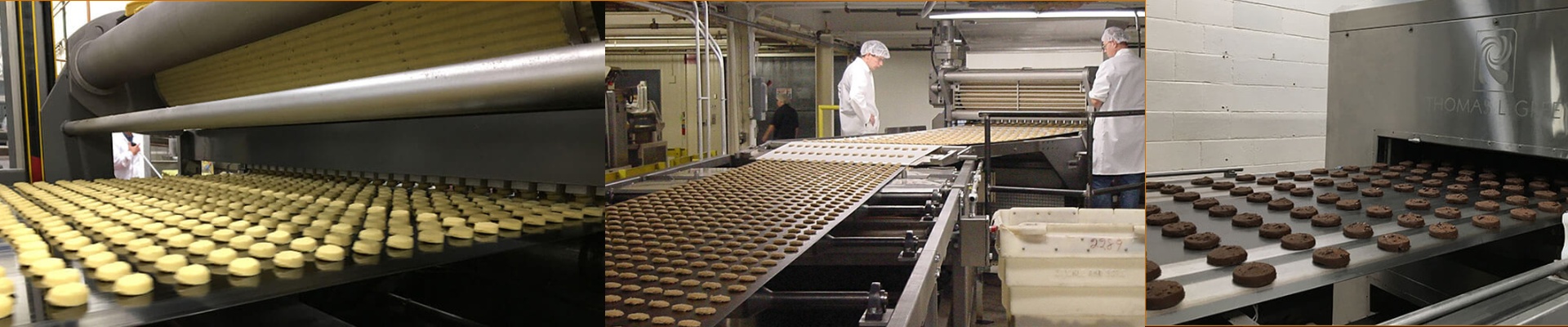
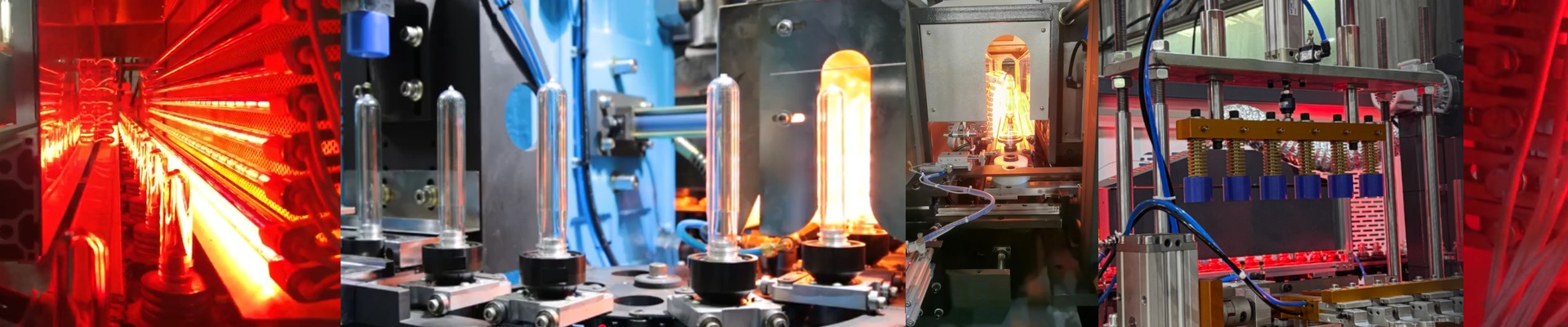
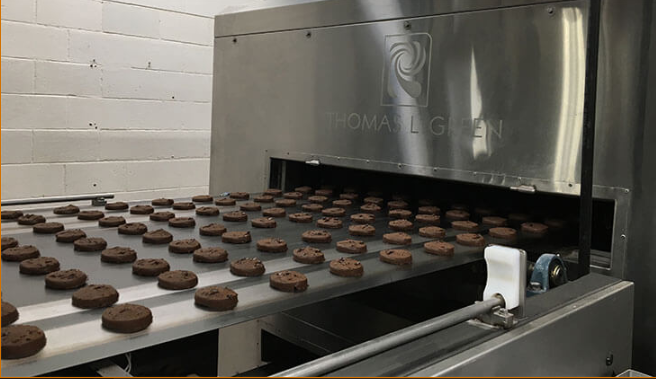
When the dinner rush hits, you can’t afford hot spots and cold spots in your deck or rotary oven. One side underbakes, the other scorches, and your ticket times start to slip. A ruby infrared heater cuts straight through that pressure. It lays down steady radiant heat and turns an inconsistent baking chamber into a predictable work surface. What matters technically Ruby infrared heaters live in the near-infrared band. They put energy where dough and toppings absorb it efficiently, instead of just heating air. In practice, that means the stone hearth or deck gets fast, directional heat, and you get surface stability within ±3°C when it’s paired with a solid thermostat. Typical units run on 240V, pull 1.8–2.2 kW per heater, and come up to temp in under 30 seconds. The payoff is quicker recovery after the door opens, and much tighter control over caramelization and crust set. Why it works in a busy oven In a restaurant oven, you need speed without sacrificing texture. The ruby infrared shortens preheat, tightens cycle time, and keeps the heat profile consistent across the deck. That translates into more pies per hour, fewer throwaways, and a calmer line. You also save energy per bake because less heat bleeds off into the air, and the focused radiant output eases the load on the oven’s main heating system. Things to get right on the install Mounting and clearance matter. The heater has to sit where it matches the oven’s reflector geometry and airflow path, and it needs a dedicated circuit that lines up with its voltage and connector. It performs best in ovens with good insulation and stable airflow. On older, drafty decks you’ll still see gains, but the baseline temperature swing will be bigger. Plan a short commissioning run to dial in the thermostat and confirm the heat distribution before you go live.