
Step down into the basement and you feel it right away—the cold that soaks through masonry, the damp that clings to surfaces. Forced-air systems fight an uphill battle down here. They stir up dust, then send the warm air right back up, leaving the lower level chilly and the moisture stuck where it is. When the heating can’t keep up, you’re not just losing comfort—you’re losing usable space.
What matters, technically
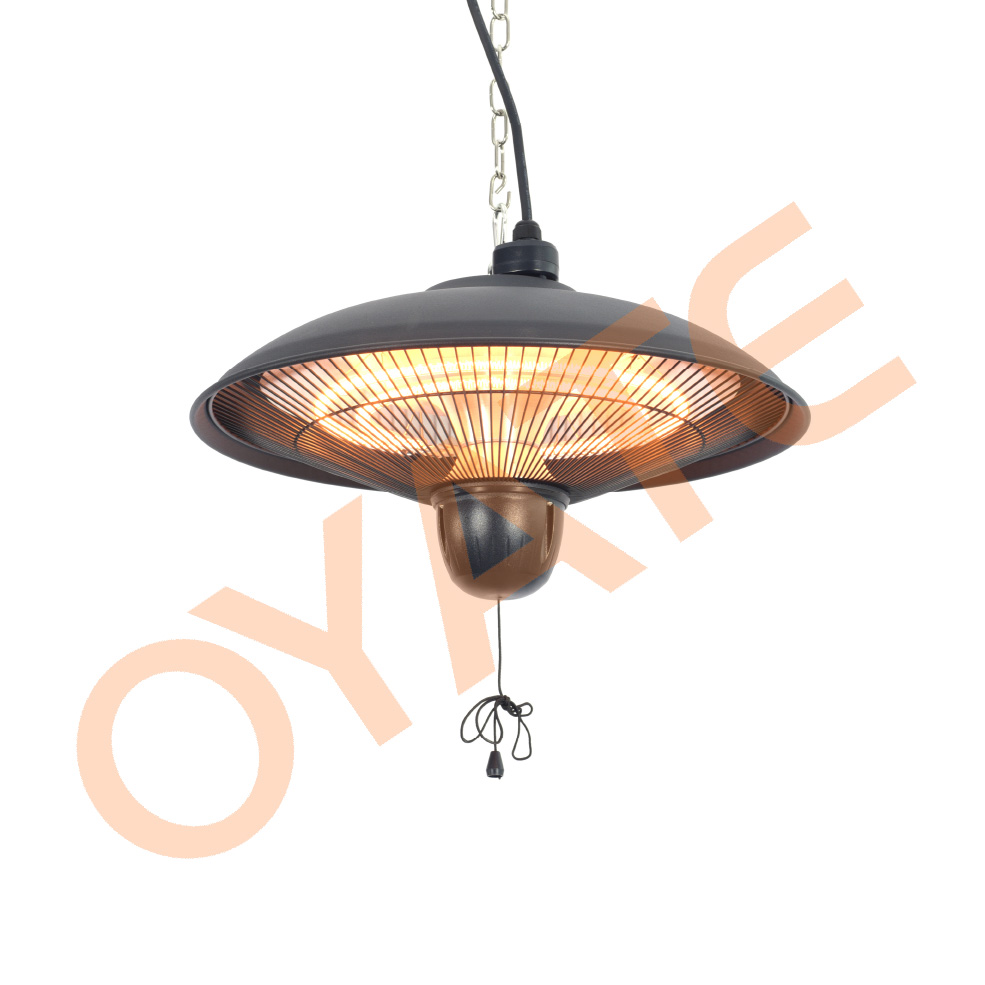
We built this wall-mounted electric heater around radiant infrared warmth, not convection. The core is a carbon fiber element inside a sealed quartz tube. It throws off gentle, directional heat that warms people and objects directly, without moving air around. That’s the difference in a basement. Less air movement means less disturbance of settled humidity, and the unit runs quietly. The output is tuned for low-power operation—typically 800–1200W on a standard 120V circuit—so you can run it without rewiring the room. An adjustable thermostat holds the temperature steady, and tip-over protection adds a practical safety layer. The housing is compact, meant to mount cleanly on a wall so you keep floor space open.
Why it works down here
In a basement, you get a two-part win: you feel the warmth, and the space feels noticeably drier. Infrared heat doesn’t replace a dehumidifier, but it does cut down on the need to over-ventilate or overheat the air, which can just keep moisture moving. The payoff is a room that feels inviting sooner, with heat delivered where you actually sit—along a finished wall, near a reading chair, or beside workout gear. Energy use stays sensible because the heater targets the zone you occupy, not the whole ducted system.
The things you need to know
Mounting matters. For the best result, install on an interior wall or a spot with solid backing, keep clearances from combustible materials, and make sure the unit is level. Because infrared warmth is directional, aim the heater at the primary seating area, not a corner. In very damp conditions, pair this heater with a properly sized dehumidifier—for comfort and to protect furnishings. The trade-off is straightforward: you get focused, low-profile warmth that makes the basement usable, but you still need a plan for moisture control.