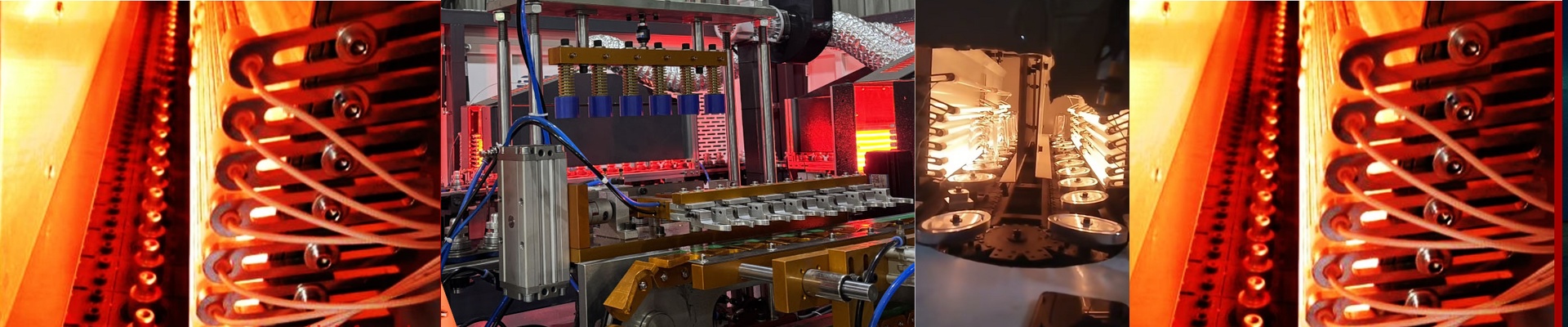
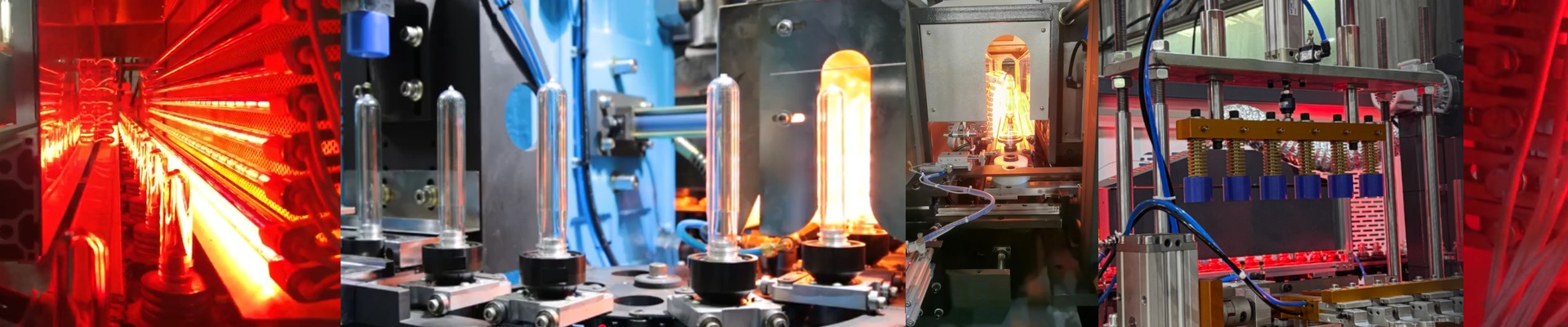
The first real autumn chill hits, and your outdoor season doesn’t have to shut down. It just changes gears—dinners move outside, evenings stretch longer, and the conversation stays out there. The question is whether your heating can keep pace. For us, that starts long before a heater lands on your patio. It starts on the line, where we move from design to shipment without skimping on weather protection or comfort.
What matters under the hood
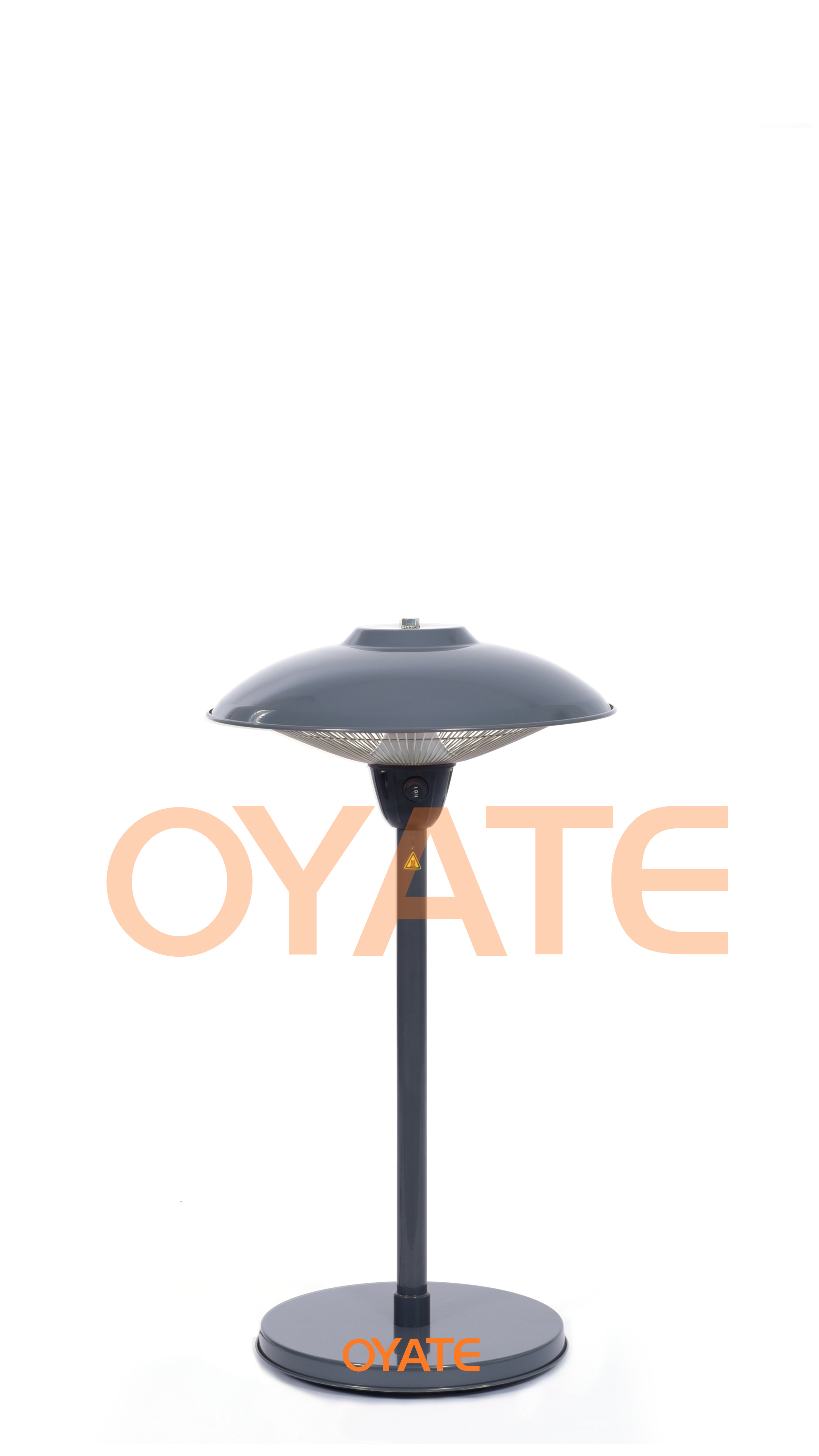
Our electric patio heater leans on infrared warmth, delivering radiant heat that warms people and objects directly—not just the air around them. Inside, a carbon fiber element comes up to temperature fast and holds steady output, while a quartz tube focuses the heat outward. It runs on standard 120V power and is built as a waterproof outdoor electric heater, with an IP rating that’s meant for rain, splashes, and damp nights. The payoff: heat you feel within seconds, no waiting around for the “room” to warm up.
Why this approach holds up outside
Outdoor heating has to be quick, dependable, and ready for actual weather. So we pair fast production with practical engineering: we can scale from prototype to full batch without drama, which means you get the unit when the season matters most. In practice, that translates to fewer last-minute cancellations, fewer cold interruptions, and more evenings that simply run longer. The waterproof build keeps performance consistent when conditions turn, and the focused infrared warmth helps you stay comfortable without pushing the indoor thermostat.
What to get right on site
For best results, place the heater where wind exposure is minimal—strong, steady wind pushes heat away from the area and cuts into effective warmth. Make sure your outlet and circuit can handle the wattage, and avoid long extension cords, which can cause voltage drop. The unit is built to resist moisture, but it still needs a stable, level surface and the protection of a covered outdoor area for long-term reliability.