Introduction
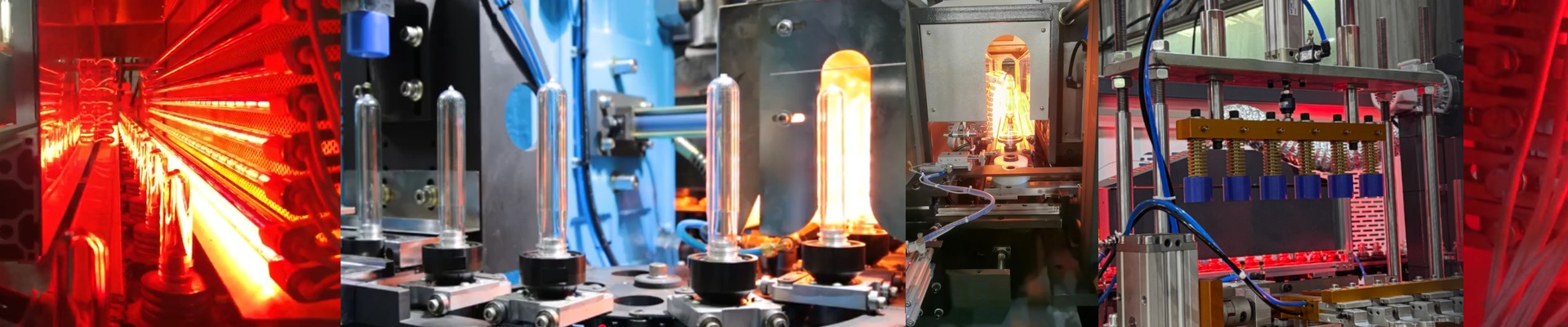
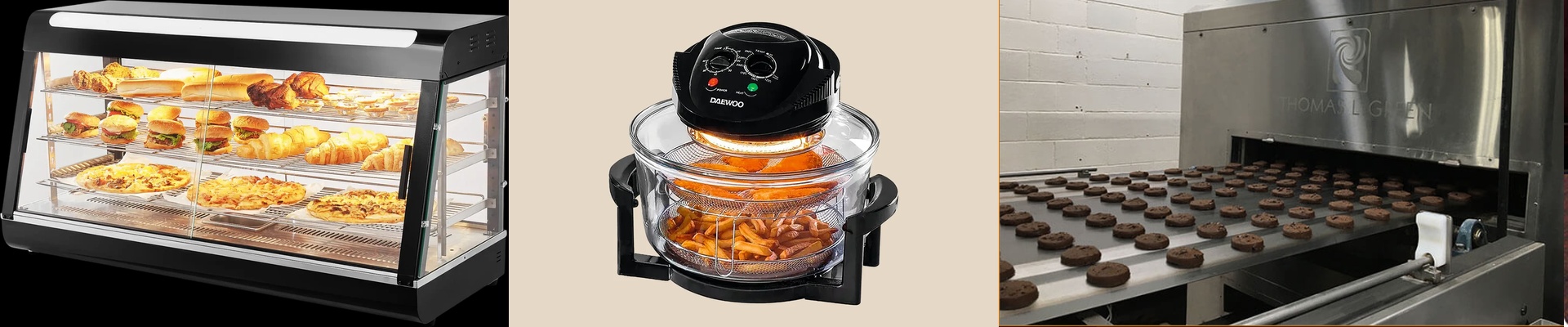
Here’s the reality of a busy service line: you can’t afford to wait around for an oven to slowly warm up. We built our IR heaters for buffet lamps to solve that exact problem. The whole point? Get the heat on, instantly. We use halogen-based shortwave emitters that kick out immediate radiant heat. The result is food that stays hot and ready to serve, right when you need it. No waiting, no lag.
The Power Behind the Heat
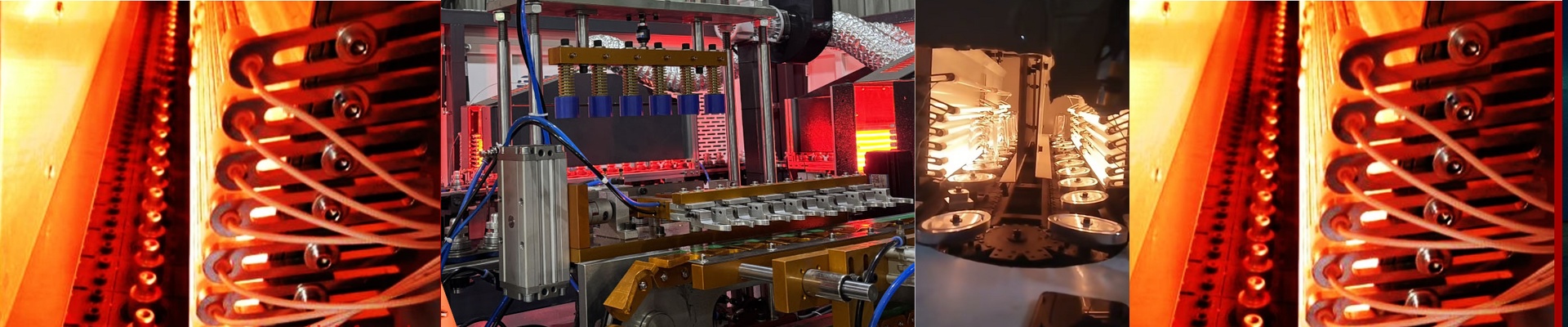
We packed a lot of punch into a small space. Our buffet lamp heaters are all about high heat density in a compact design. The standard setup is a 400V, high-voltage system. This lets us squeeze serious wattage into a short, 300mm quartz tube. It’s all about delivering intense, focused IR heat without needing a bulky enclosure. And it’s fast. The element hits its target temperature the moment you flip the switch. This cuts down on cycle time and keeps things moving. It’s the difference between waiting for a preheat and having a heat zone ready on demand.
What It’s Made Of
Inside, you’ve got a halogen-filled shortwave emitter, all housed in a high-purity quartz tube. The halogen cycle is the secret sauce—it keeps the filament stable, so it doesn’t burn out, even with all that rapid on-and-off action. The quartz tube itself is built to handle thermal shock and runs hot enough to stay tough in the most demanding environments. For the install, we use an R7s connector. It’s a reliable, industrial-grade connection that holds up against vibration and the expansion and contraction from heat. It’s a true drop-in replacement, so you can swap it right into your existing buffet lamp fixtures.
What This Means for Your Workflow
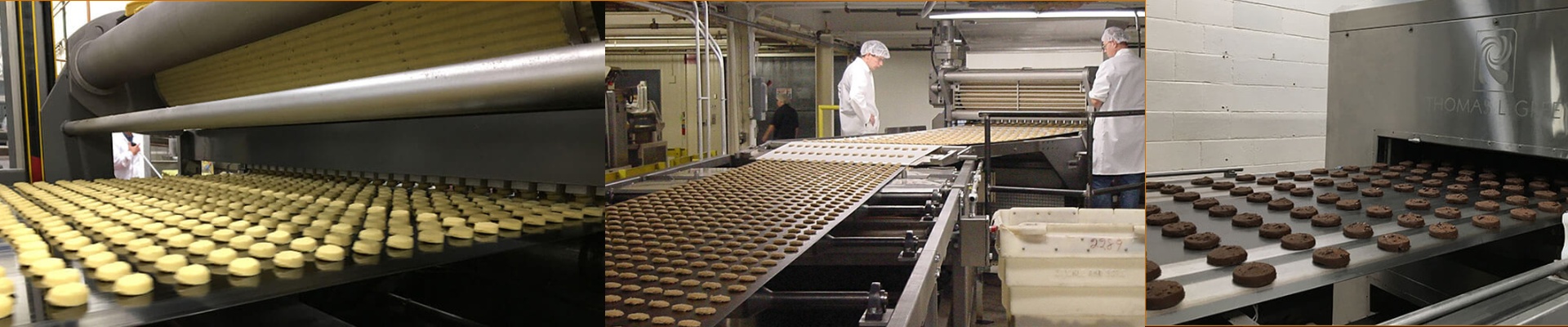
In a commercial oven, speed equals capacity. A second-response IR heater gives you the power to control heat zones on the fly. That means you can run tighter schedules and cut down on idle time. Plus, the quick response helps prevent temperature overshoot. That’s good news for food quality. But here’s the thing to keep in mind: this is serious heat. A 400V, 2500W tube puts out a lot of energy, so your machine’s cooling and ventilation need to be up to the task. Make sure your airflow and thermal management are properly spec’d. That’s how we keep the line moving, without skipping a beat.