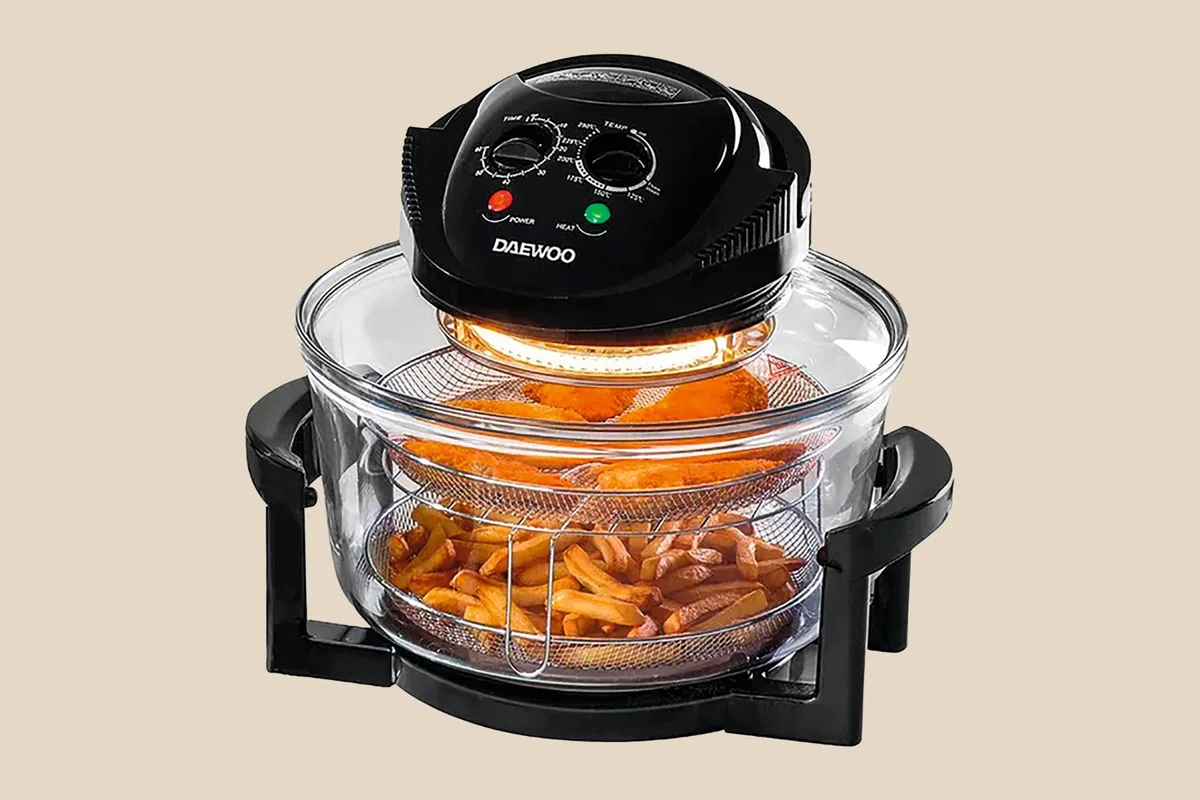
Fixing the “Cold Spot” Problem in Multi-Layer Ovens
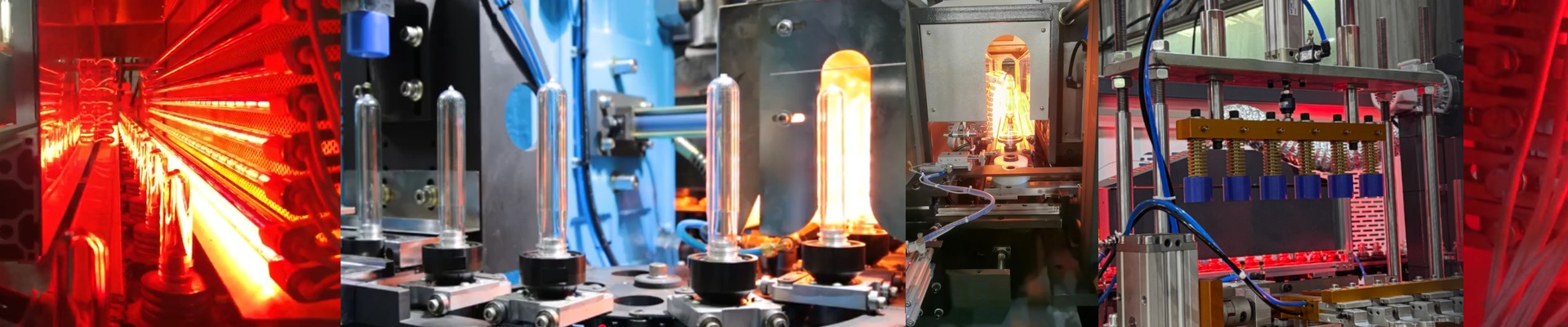
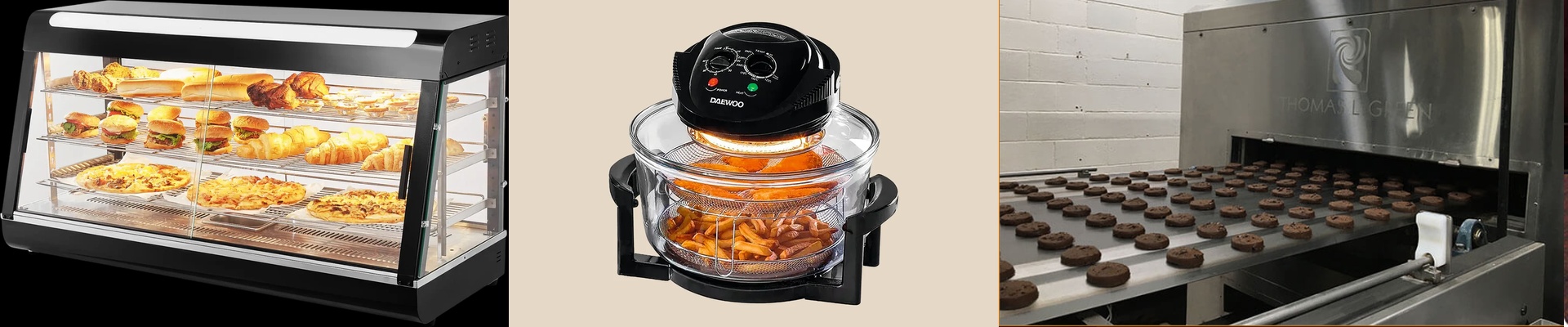
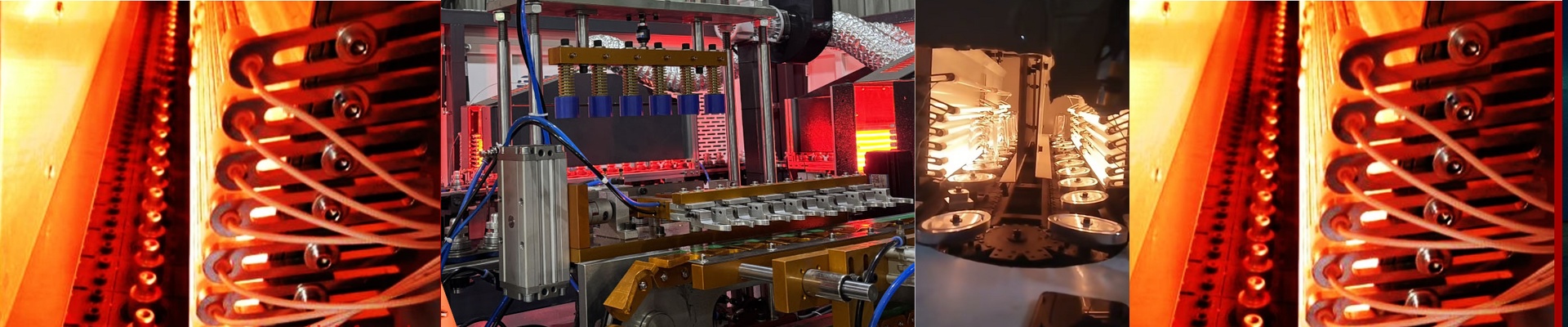
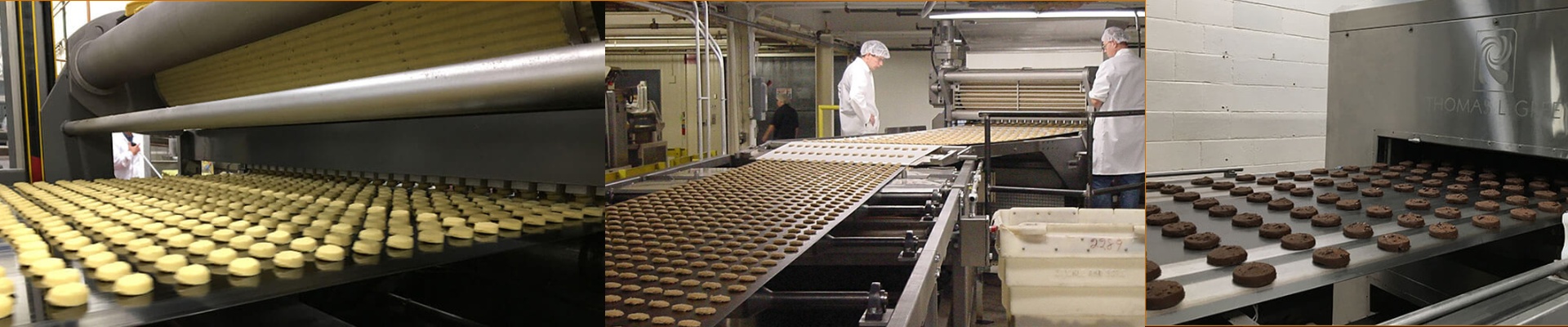
If you’ve ever worked with multi-layer convection ovens, you know the frustration. You set the temperature, the fans are humming, but for some reason, the middle trays just aren’t keeping up. You end up with a nightmare scenario: the top tray is starting to char while the bottom one is barely warm. Air circulation is great, but it has its limits. Sometimes, the air just can’t fight the physics of the “cold spot” between trays. That’s where gold-coated IR heaters come in. Instead of just hoping the hot air reaches every corner, we use these lamps to beam heat directly onto the food. It’s like giving every single layer its own personal sun. Why the gold coating? Standard quartz tubes are fine, but they scatter heat everywhere. By adding a gold coating, we basically tell the heat, “Don’t go that way—go this way.” The coating reflects specific wavelengths back into the filament, which cranks up the internal temperature and focuses the energy. The best part? You aren’t relying on the bulk air temperature of the oven to do the heavy lifting. You’re hitting the product directly. Getting granular with your heat The real magic happens when you wire these tubes to their own PID controllers. Instead of one giant heating element trying to manage the whole chamber, you get total control over every shelf. If the third tray is packed tighter than the others, you can just bump up the wattage for that specific layer. No more guessing games. No more rotating trays halfway through the bake. A few things to keep in mind Now, this kind of power comes with a trade-off. IR heating is fast. Really fast. But that intensity can be hard on the equipment. If you push these tubes to the max without enough airflow around the ends, you’ll burn out the seals way too early. It’s a common mistake. Also, double-check your wiring. If your connectors aren’t rated for the current draw, you’ll deal with voltage drops across those long oven racks, and you’ll lose that precision we’re aiming for. Making it work If you’re modifying an existing setup, these lamps usually slide right in where the old heating coils used to be. They take up less space and get you up to temp much faster. One pro tip: move your sensors. If your probe is only reading the air, you’re missing the whole point. Position them to read the actual surface temperature of your product. That’s the only way to really see what the IR radiation is doing.