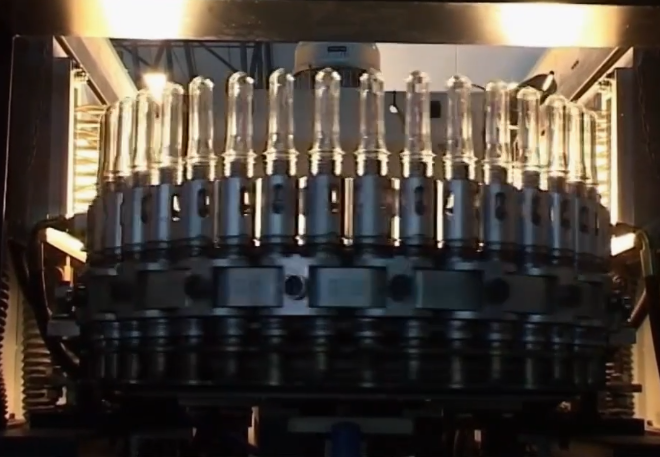
Do You Actually Need a New Blow Molding Machine?
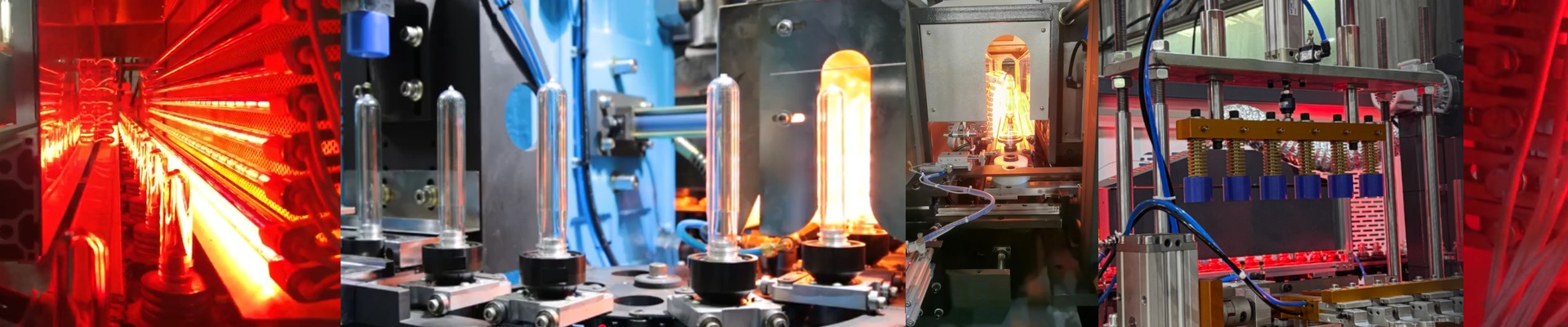
If you’re running a mid-sized PET shop with older gear, you know the frustration. You want to push more bottles through, but your cycle times are dragging. Before you go spending a fortune on a brand-new machine, take a look at your oven. Most of the time, that’s where the real bottleneck is. When your preforms aren’t hitting the right temperature consistently, you’re stuck slowing down the conveyor just to keep the walls from coming out uneven. It’s a headache.
The Secret is in the Heat
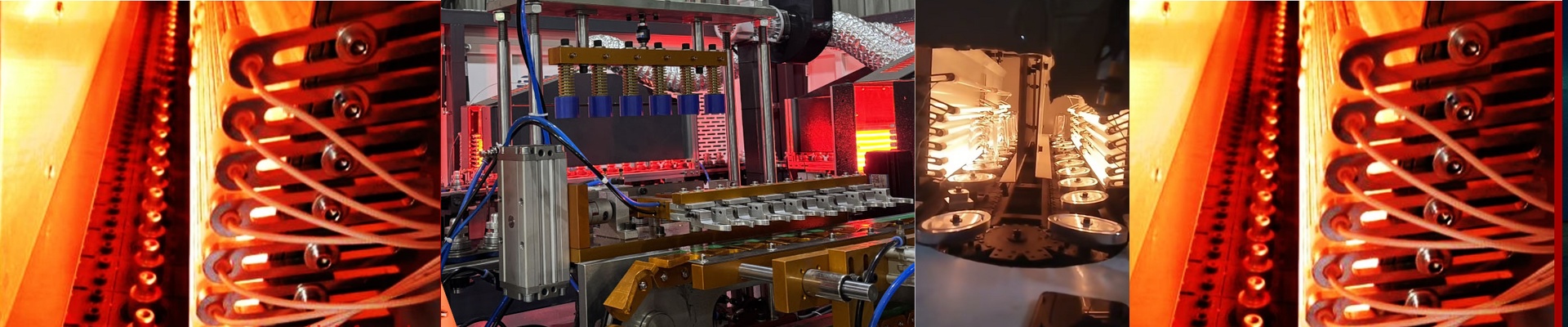
We lean on shortwave IR halogen lamps because they don’t mess around—they push energy straight into the PET polymer. Think of it as “heat density.” If you use a high-wattage tube in a shorter space, you’re packing more punch into every inch. That means your preforms heat up faster, and your line moves faster. But here’s the thing: you can’t just crank up the power and hope for the best. If you jump to a higher wattage without checking your wiring or power supply, you’ll fry your contactors. Not a great way to spend a Tuesday.
Glass, Coatings, and the “Easy” Part
We use heavy-wall quartz glass. Why? Because the thermal shock in these ovens is brutal, and cheap glass just doesn’t cut it. We also add a specialized coating to our lamps. It basically acts like a mirror, bouncing the heat forward into the preform instead of letting it bleed backward into the oven frame. It keeps the chassis from getting way too hot to touch. As for the install? It’s a breeze. We stick to R7s or Sk15 connectors. You just pull the old tube out, slide the new one in, and you’re back in business. No drilling, no hacking, no modifications.
The Catch (Because there’s always one)
Faster heating is great, but it creates a lot of extra heat inside the machine. If you upgrade to high-output tubes, your cooling fans have to be able to keep up. If they can’t pull that excess heat away, the ambient temperature in the oven spikes. That’s when you start seeing “pearling” or overheating around the neck of the preform. Basically, make sure your cooling can handle the heat you’re adding. Balance is everything.