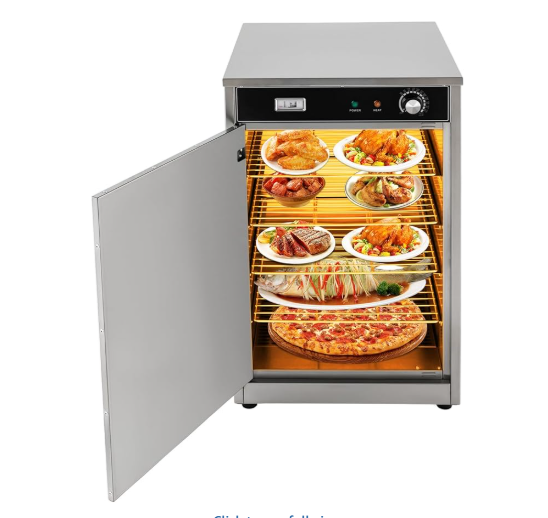
A Smarter Way to Heat Your Bread Ovens
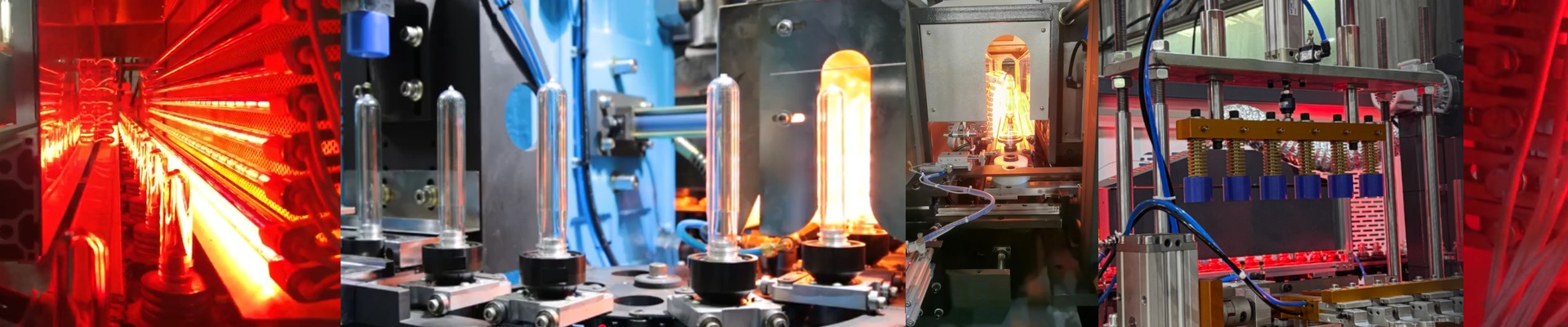
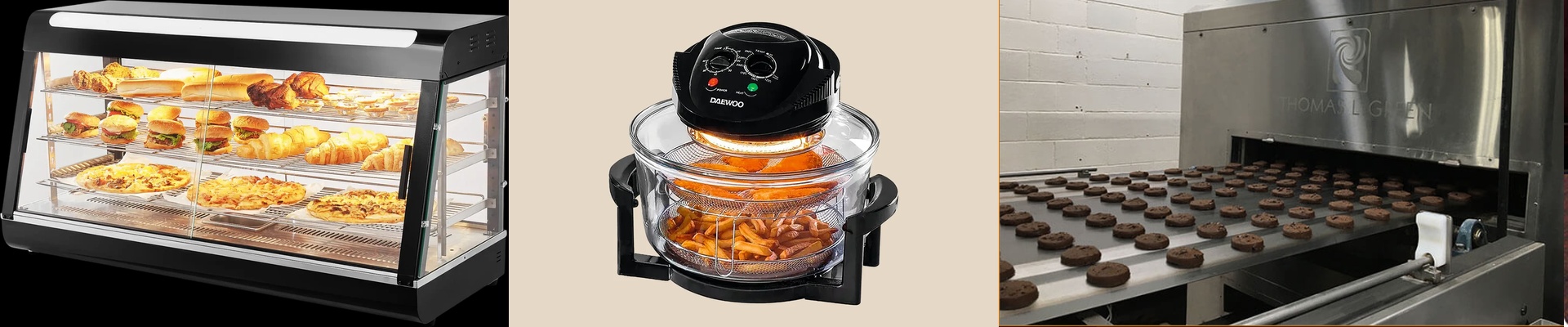
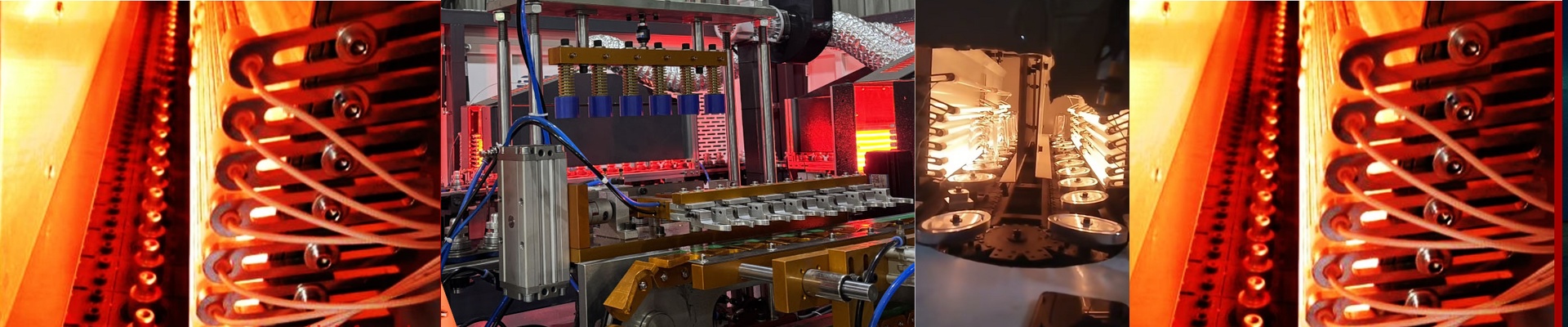
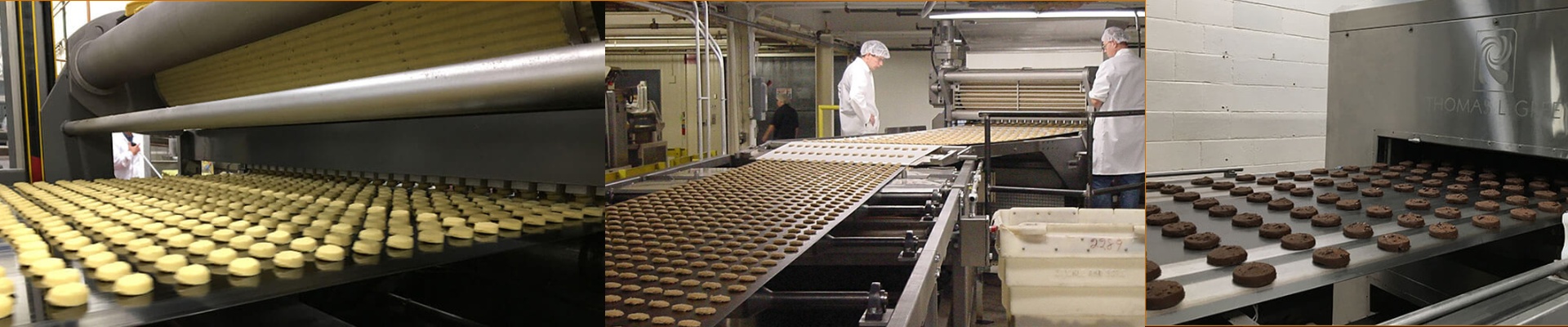
If you’re running a chain of bakeries, you know the struggle. You want ovens that hit hard and fast, but the price tag on high-performance gear can be brutal. Usually, you’re stuck choosing between spending a fortune or settling for mediocre heat. We’ve found a way around that using halogen infrared lamps. Instead of relying on those massive, expensive heating elements that take up half the room, we use shortwave infrared (SWIR) emitters. It lets you shrink the actual hardware without losing any of the heat density. How the heat actually works Think of it this way: most ovens just heat up the air, and then the air heats the bread. It’s slow. Halogen lamps are different. They use a tungsten filament inside a quartz tube, kept clean by halogen gas so the bulbs don’t burn out or cloud over. Instead of warming the air, they beam energy directly into the dough. The result? Your crust sets faster. Your bake times drop. It just feels more efficient. Getting it right on the shop floor When we’re setting these up, it really comes down to wattage and voltage. You want high wattage if you’re after that perfect, rapid browning, but you can’t just crank it up without thinking about your wiring. Your controllers need to be able to handle that initial surge of power when the lamps kick in. On the practical side, we stick with R7s or SK15 connectors. Why? Because they’re simple. If a lamp pops, your maintenance crew can just slide a new one in and get back to work in a few minutes. No need to tear apart the whole rack or spend an hour rewiring. The trade-offs you should know about Here’s the win: because these lamps are so powerful, you don’t need those giant, heavily insulated chambers. That means less steel and less insulation during the build, which saves you a decent chunk of change. But a word of caution—shortwave IR is aggressive. If the lamps are too close to the bread, you’ll end up with a burnt crust and a raw center. You’ve got to spend some time dialing in the distance and the timing to fit your specific recipe. And please, don’t skimp on the venting. If you’re running 24/7, those sockets get hot. Give them room to breathe so you don’t fry your electronics.