

Making Bathroom Heaters That Actually Make Sense
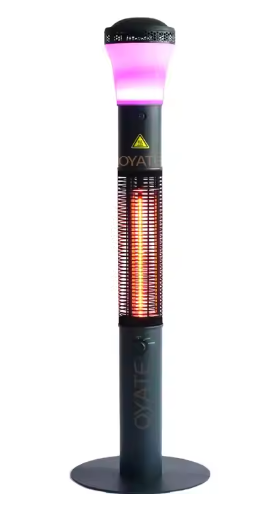
Building an infrared heater for a bathroom takes more than just slapping a waterproof seal on a box. It gets a bit tricky when you’re thinking about babies. You have to figure out how to get plenty of heat into the room without blinding a newborn with a harsh, bright light. Dealing with the glare Most short-wave infrared lamps are blinding. If you’ve ever looked at one, you know that sharp, aggressive glare. It’s too much for sensitive eyes. To fix this, we use special filters or coated quartz. Think of it as a screen that blocks the annoying visible light but lets the actual heat slide right through. You feel the warmth on your skin, but the light stays soft and gentle. Sure, we lose a tiny bit of raw power because of the filter, but it’s a trade-off worth making to protect a baby’s eyes. Keeping the water out (and the heat in) Water and electricity are a nightmare pairing. That’s why we go with an IP65 rating. Basically, it means the unit is tight enough to keep out dust and handle a direct spray of water without breaking a sweat. We use high-temp silicone gaskets to seal everything up tight so moisture never touches the electrical guts. Inside, there’s a tungsten filament sitting in a halogen-filled tube. This lets us crank up the heat for better efficiency. But since that gets incredibly hot, we can’t just use any plastic. We use die-cast aluminum or heavy-duty, heat-resistant polymers so you don’t accidentally burn yourself just by touching the outer shell. Getting it installed We made these to be simple drop-in replacements for the fixtures you already have. The wiring is pretty basic. Just one heads-up: check your circuit breaker. High-wattage halogen lamps pull a lot of power the second they click on. If your wiring is too thin or your breaker is under-specced, you’re going to be staring at a dark bathroom the moment you flip the switch. Do a quick load check before you hook it up.