
Keeping Your Bathroom Heaters Safe (And Your Toes Warm)
Putting an infrared heater in a bathroom is a bit of a gamble if you don’t do it right. Think about it: you’ve got constant steam, dripping condensation, and electricity all in one small space. Since water and electricity are a nightmare pairing, one bad seal can lead to a ground fault or, worse, a dangerous shock. The secret to making this work? It all comes down to how we handle the materials and the seals.
The Right Stuff for the Job
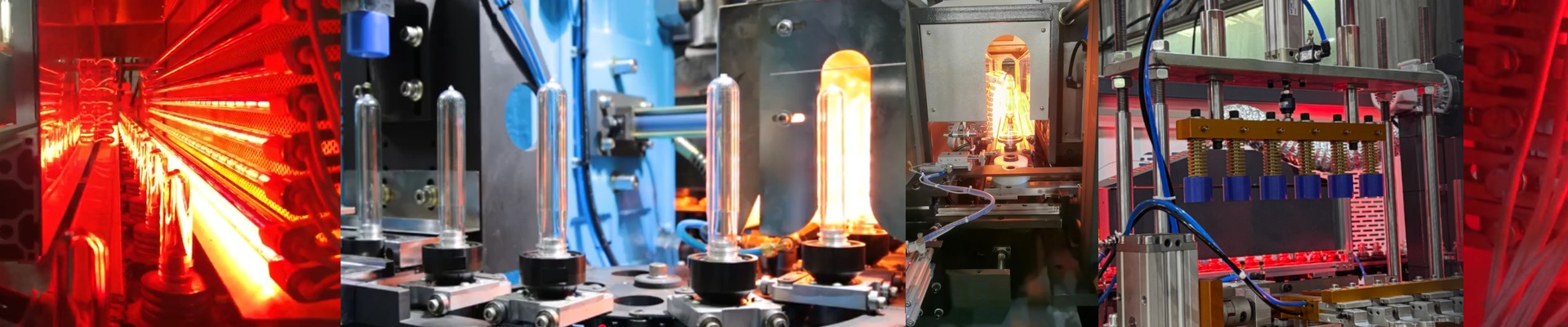
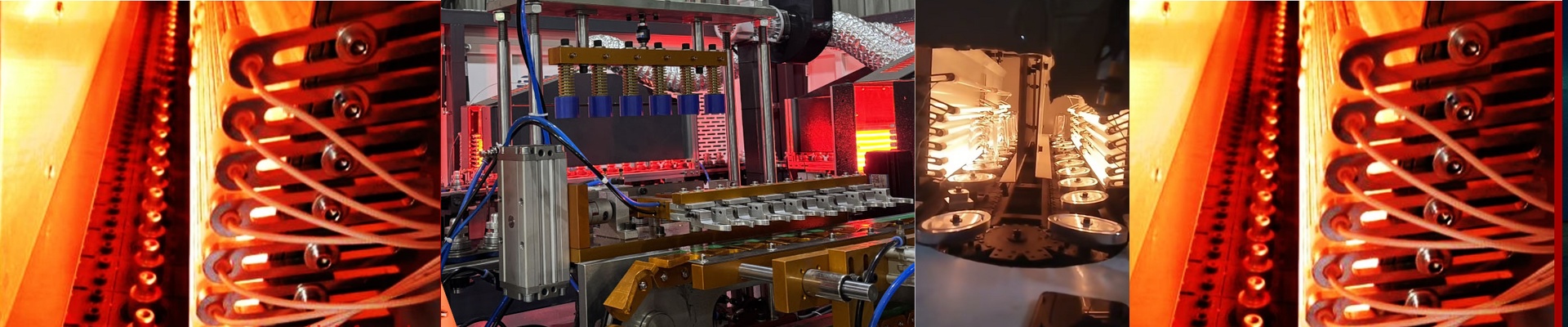
We start with high-purity quartz glass for the heating element. It handles the heat, sure, but it also keeps that internal tungsten filament safely tucked away. But here’s the thing: moisture loves to find a way in. It can create a “path” across the surface of an insulator, which is how shorts happen. To stop that, we use hydrophobic coatings. Basically, the water just beads up and rolls off instantly. Then there are the connection points. These are usually where things go wrong. We ditched the open-wire terminals ages ago. Instead, we use sealed ceramic or high-temp polymer headers. They stay insulating even when the room feels like a sauna.
Locking Out the Moisture
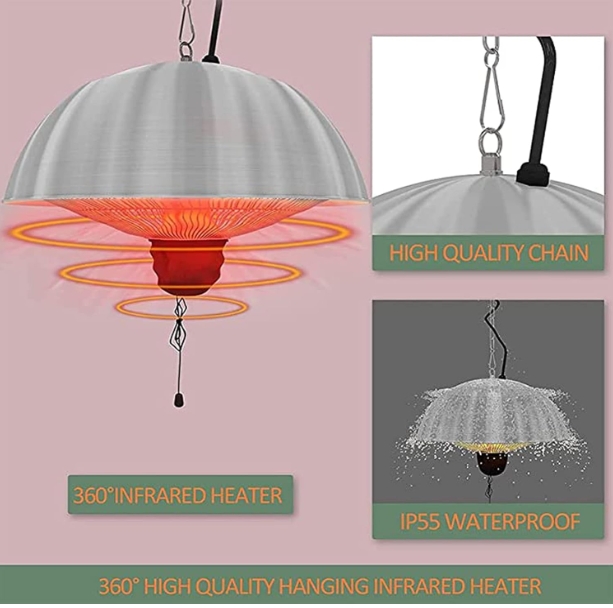
You can’t just trust the lamp to do all the heavy lifting. The housing has to be tough. We use IPX4 rated enclosures—or better—to make sure splashes and sprays don’t end up where they don’t belong. We also lean heavily on silicone-sealed cable entries and adhesive-lined heat-shrink tubing for every solder joint. This stops “wicking,” which is when moisture sneaks inside the wire jacket and crawls right toward the live terminals. If you go with cheap connectors, the steam will eat through your insulation in a few months. It’s just not worth the risk.
The Tug-of-War: Heat vs. Seals
There’s a catch, though. The tighter you seal a unit to keep water out, the more you trap heat inside. If there’s no airflow around the ballast and wiring, the electronics can basically cook themselves. It’s called heat soak, and it’ll kill your components fast. To fix this, we make sure the housing has plenty of internal breathing room, or we move the drivers outside the unit entirely. It’s a balancing act, but it’s the only way to make sure your heater lasts for years instead of weeks.