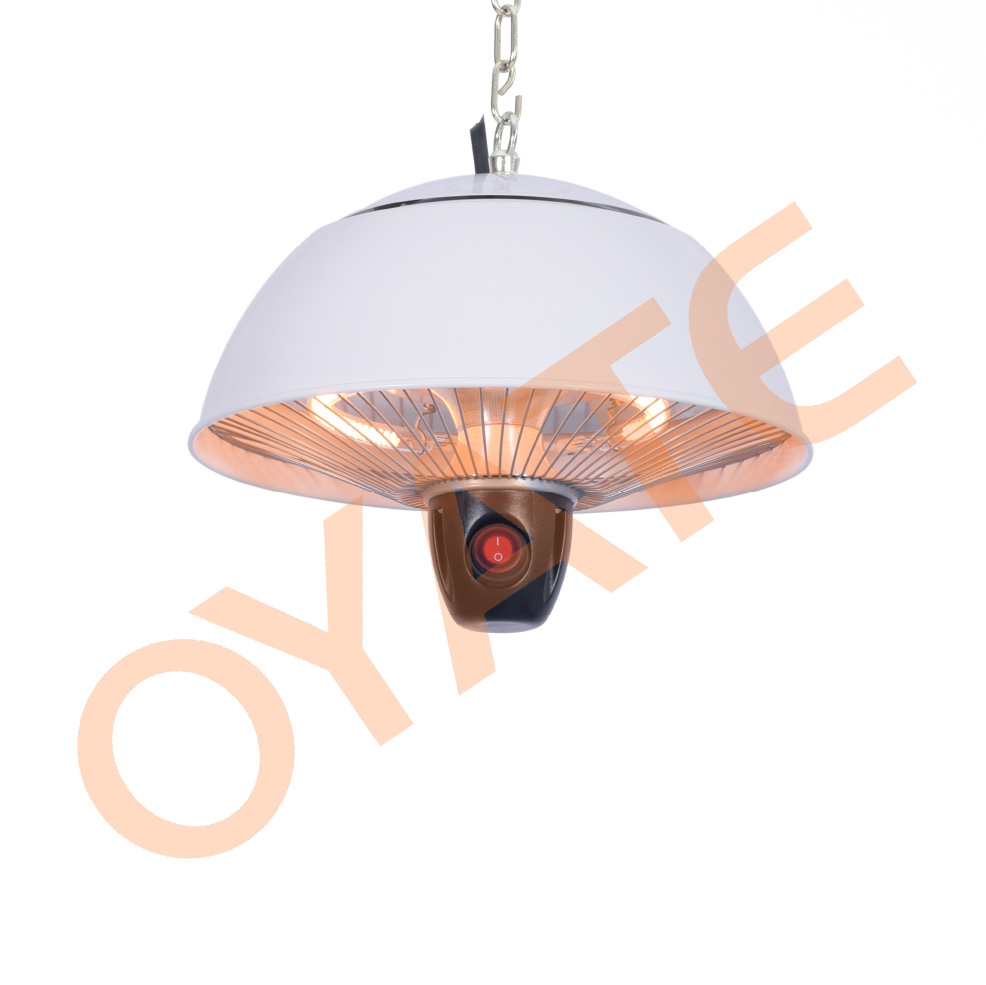
Why we put our bathroom heaters through a “torture chamber”
Let’s be honest: bathrooms are a nightmare for electronics. You’ve got steam everywhere, random water splashes, and temperatures that swing from freezing to sauna-hot in minutes. If a seal is slightly off or a coating has a tiny crack, that lamp is going to burn out in a few weeks. We don’t want you dealing with that. So, we put every batch of our waterproof infrared heaters into damp-heat chambers to find the breaking point before the product ever leaves our warehouse.
The battle against moisture
Here’s the thing about water vapor—it finds a way. It sneaks into the tiniest gaps you can’t even see. Once that moisture hits the electrical contacts or the quartz, you’re looking at oxidation or a short circuit. To stop this, we basically simulate years of steamy showers in a matter of days. We cycle the heaters through extreme heat and humidity to force any weak seals to leak. We check the insulation and the electrical resistance. If the waterproof rating isn’t rock solid, the unit fails right here.
Dealing with the “stretch”
Infrared lamps get hot. Fast. While the quartz is expanding from the heat, the outer waterproof casing stays relatively cool. This creates a lot of mechanical stress on the gaskets. They’re being pulled and pushed constantly. A seal might look perfect on day one, but after 500 hours of heating and cooling, it can shrink or warp. Our aging tests catch that shrinkage so your customers don’t have to.
The trade-off
Now, there is a catch. Real waterproofing takes up space. To get a seal that actually works, we use thicker gaskets and reinforced housings. This means the heater has a slightly larger footprint. It’s a bit bulkier, sure. But it’s a fair trade for a lamp that won’t short out the moment someone takes a hot shower. We aren’t guessing when it comes to reliability. We push the hardware until it breaks, then we go back and fix the design. It’s the only way to make sure you aren’t buried under a mountain of warranty claims.