
Stopping the Temperature Dip in Industrial Bread Warming
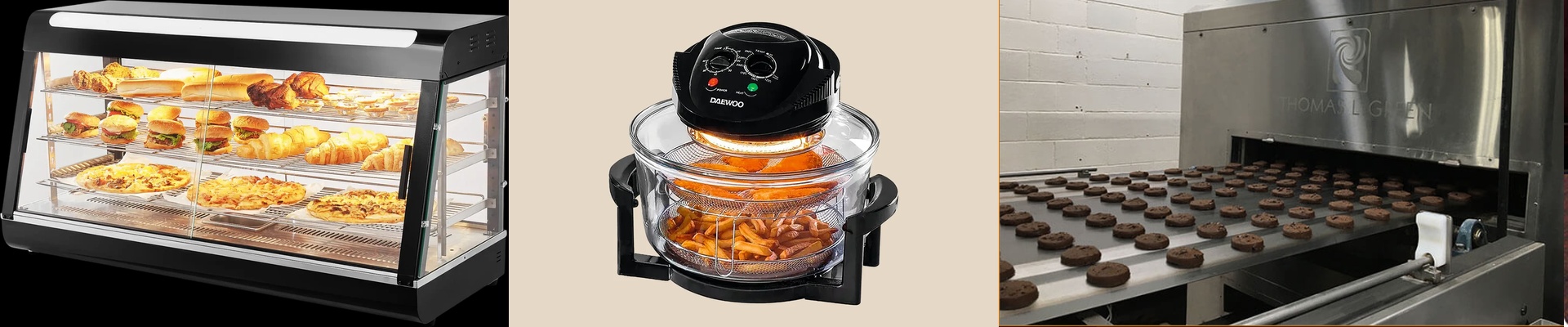
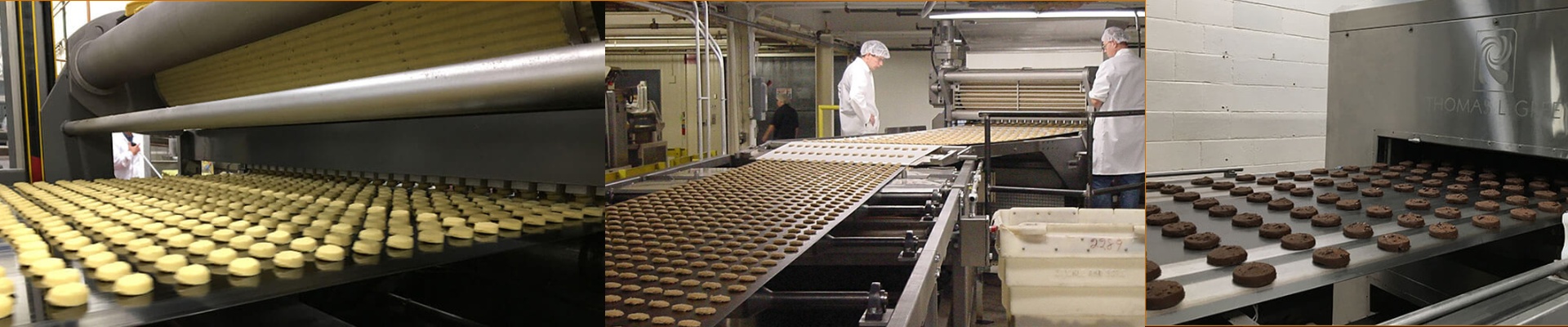
If you’ve ever run a commercial bread line, you know the struggle. You’ve got your oven dialed in, and then someone opens the door. Or a fresh, cold batch of loaves slides in. Suddenly, your heat vanishes. Standard thermostats just can’t keep up. They’re too slow. By the time they realize the temperature has dropped, your crust is already suffering. That’s why we shifted to infrared (IR) heating with real-time compensation. It stops those dips before they actually happen.
How the IR trick works
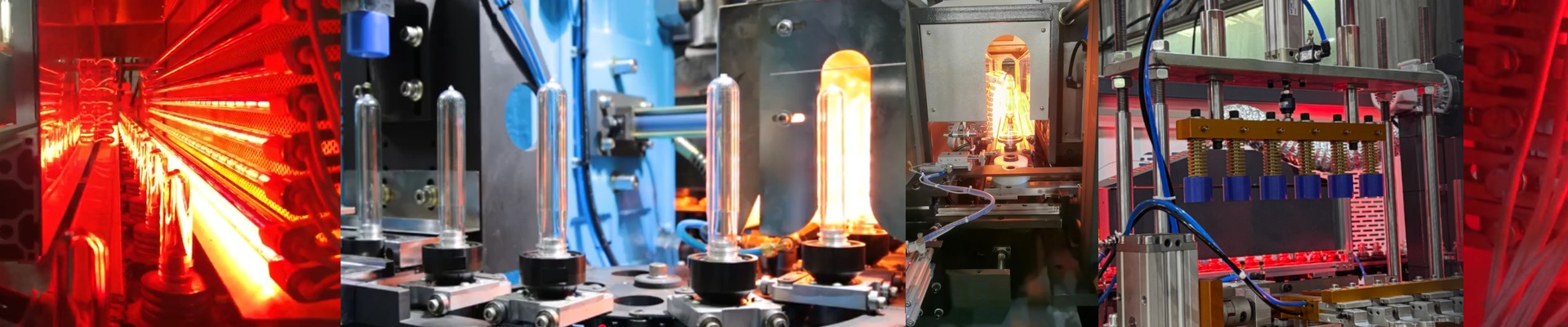
Most ovens try to heat the air. But air is slow. IR is different—it goes straight for the bread. We pair a high-speed IR sensor with a PID controller. Think of it as a constant conversation: the sensor watches the surface of the bread every millisecond. The moment it feels a chill—like from that open door—the controller kicks the IR lamps into high gear instantly. No waiting for the air to warm up. No lag. Just immediate heat right where it counts.
The gear (and the catch)
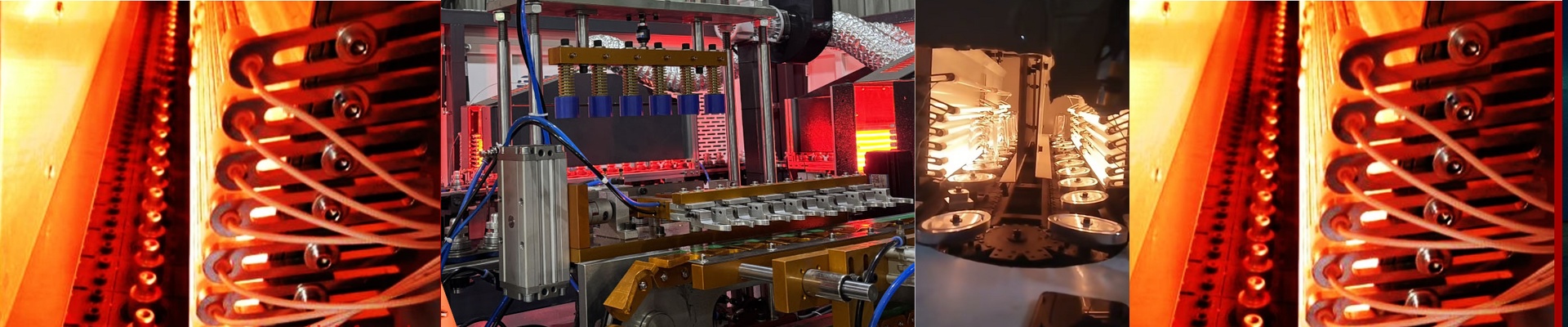
We usually go with short-wave quartz lamps. They hit the target fast and don’t take up much space. But here’s the thing: they’re powerful.Really powerful. If you mount them too close, you’ll end up with a burnt top and a cold center. It’s a balancing act. You have to tweak the wattage and the conveyor speed until the heat soaks in perfectly.
Getting it wired up
Adding this to your current line is pretty simple. You just wire the lamps into a thyristor power controller. This is key because it lets you dial the voltage up and down smoothly, rather than just clicking it on and off like a light switch. One quick tip: check your facility’s power. If your incoming voltage is jumpy, grab a stabilizer. If you don’t, those IR lamps can burn out way too fast from voltage spikes, and no amount of fancy tuning will save them.