Stop Losing Heat Between the Oven and the Box
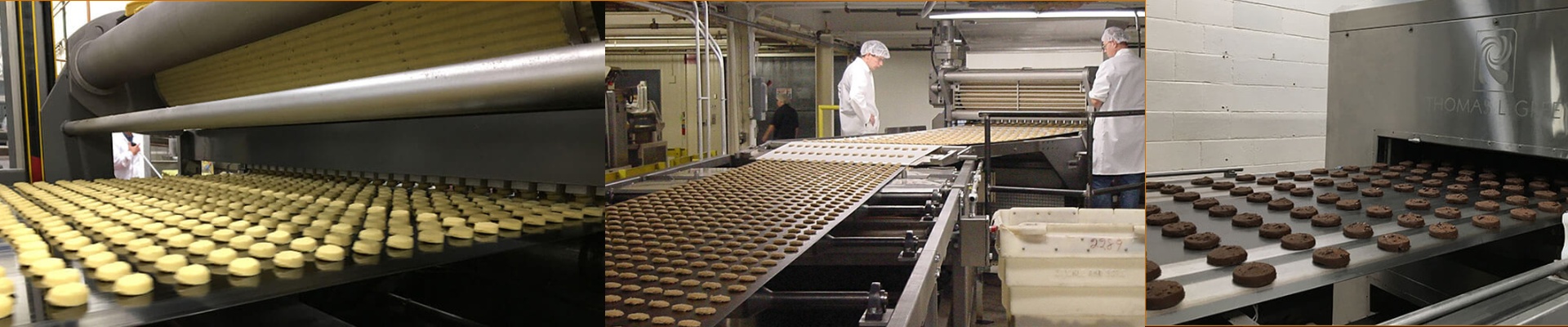
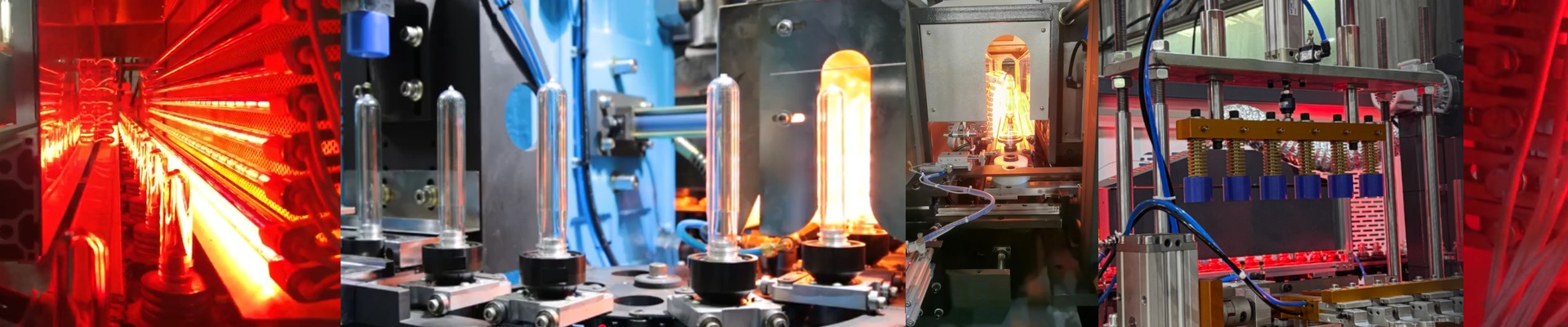
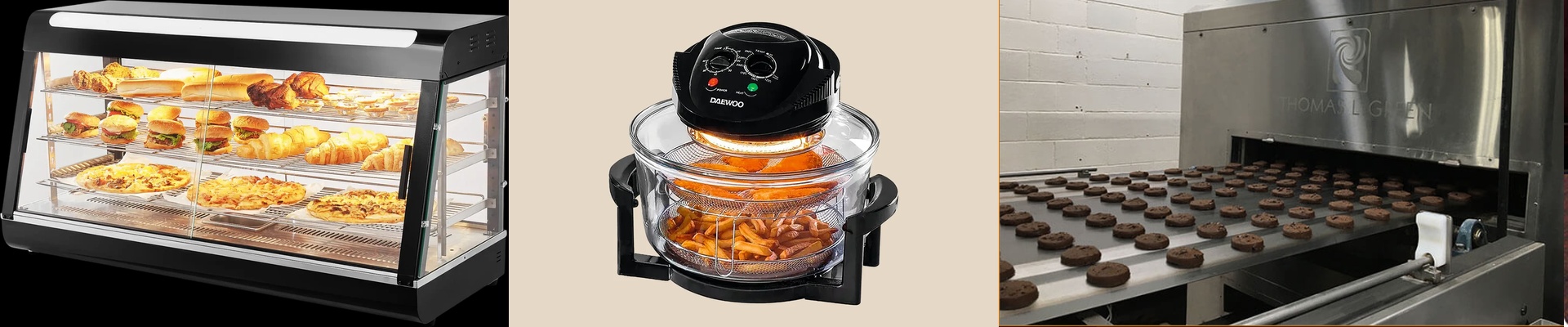
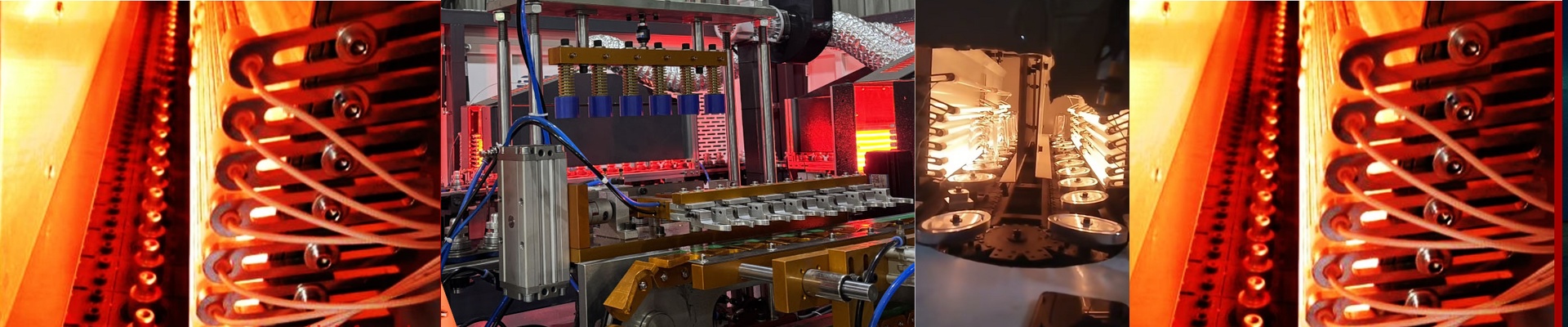
If you’re running a high-volume bakery, you know the struggle. Your bread comes out of the main oven perfect, but by the time it hits the packaging line, the surface has already started to cool down. It’s a frustrating gap. That’s where our short-wave infrared (SWIR) heaters come in. Instead of trying to heat up all the air around the bread—which is slow and inefficient—these lamps hit the surface of the product directly. It’s an entirely different way of thinking about heat. Most heating elements are bulky. They take forever to warm up and even longer to cool down. When your line is moving fast, that lag is a nightmare. You end up with cold spots in some places and burnt edges in others. Our lamps don’t do that. We use a tungsten filament inside a halogen-filled quartz tube, which means they hit full power in under two seconds. It’s nearly instant. This lets you sync the heat exactly with your conveyor speed. You can pulse the power to keep the surface temperature steady without accidentally baking the center of the loaf twice. The nitty-gritty on the hardware We build these tubes for high wattage density. We want the reheating to happen fast and in a small space. But when you’re pushing 2000W+ through a compact tube, things get hot. Really hot. Because of that, you’ve got to make sure your housing is well-vented. If the air around the connectors gets too toasted, the lamps will burn out way sooner than they should. We use quartz glass because it lets that short-wave radiation pass through easily. Depending on whether you’re trying to crisp up a crust or keep the surface hydrated, we can use different coatings to tweak how the heat hits the bread. Getting it onto your floor The best part? You don’t have to rip out your entire electrical rack to make this work. We use standard R7s or Sk15 bases, so these are basically drop-in replacements. You plug them in, wire them up, and get back to work. The whole goal here is to speed up your “beat.” When you can cut your reheating time from minutes down to seconds, you’re moving way more trays per hour. It just makes the whole day run smoother.