
Why your steam oven lamps keep dying (and how to fix it)
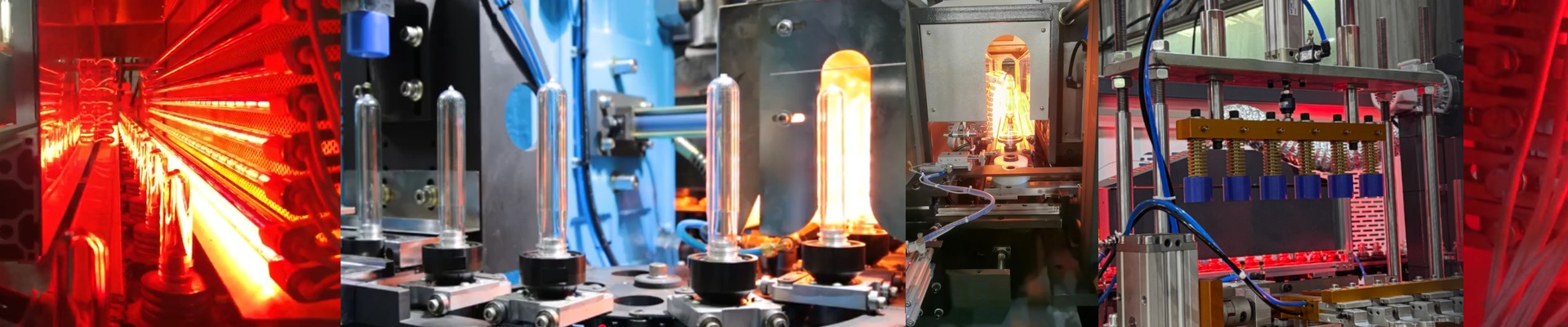
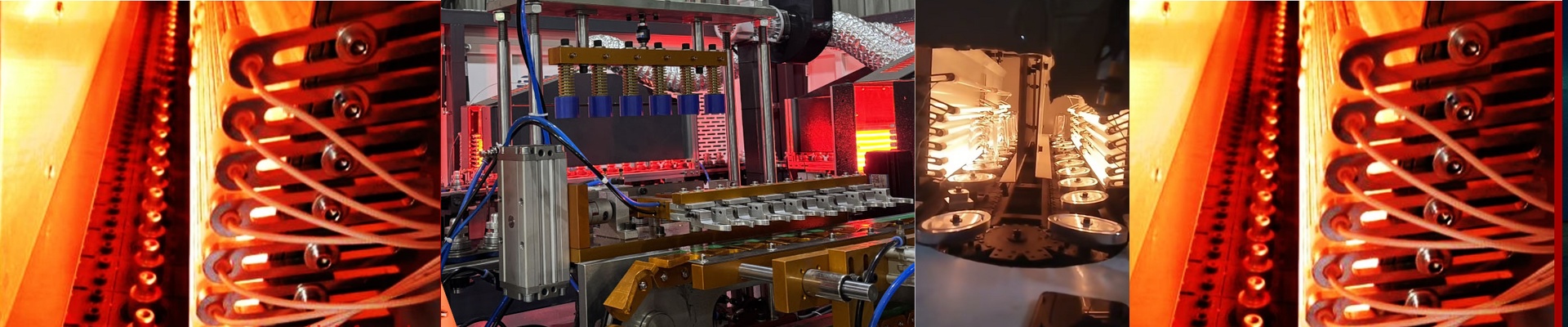
Let’s be honest: steam ovens are absolute nightmares for heating elements. You’ve got thick humidity, constant condensation, and wild temperature swings all hammering the lamp at once. It’s a brutal way to run a piece of hardware. To stop the filaments from just giving up the ghost, we use ruby-coated halogen bulbs. They keep the heat steady and, more importantly, they actually last. The secret sauce: Shortwave Infrared These lamps work on a shortwave infrared spectrum. Instead of using those big, slow coils, these bulbs pack a ton of heat into a tiny space. It means your oven hits the target temperature fast. Really fast. Inside, there’s a halogen gas that does something clever—it pushes evaporated tungsten back onto the filament. It’s basically a self-healing loop that extends the life of the bulb. Just a heads-up, though: you’ve got to keep your voltage steady. If you let it spike, you’ll fry the filament in no time. Dealing with the damp Here’s the thing about steam: it eats standard quartz for breakfast. That ruby coating isn’t just for looks. Sure, it cuts down on the blinding glare so you aren’t squinting every time you open the door, but it’s also a shield. It protects the lamp from the corrosive nature of the steam. If you try to use a bare lamp in a high-moisture spot, the end caps will degrade, the seal will pop, and you’re back to square one. Getting it installed We usually stick with R7s or SK15 connectors because they just click into place and stay there. They’re designed to be simple drop-in replacements for most industrial kitchen ovens. But keep this in mind: these things put out an incredible amount of concentrated heat. They runhot. Before you slide them in, double-check that your venting is clear and your housing materials aren’t going to warp under the pressure. And if your power supply is jumpy? Your bulbs will pay the price. We usually suggest a dedicated PID controller. It keeps the wattage stable, which means you aren’t replacing lamps every few weeks.