Stop Fighting Your Oven: The Secret to Even Heat
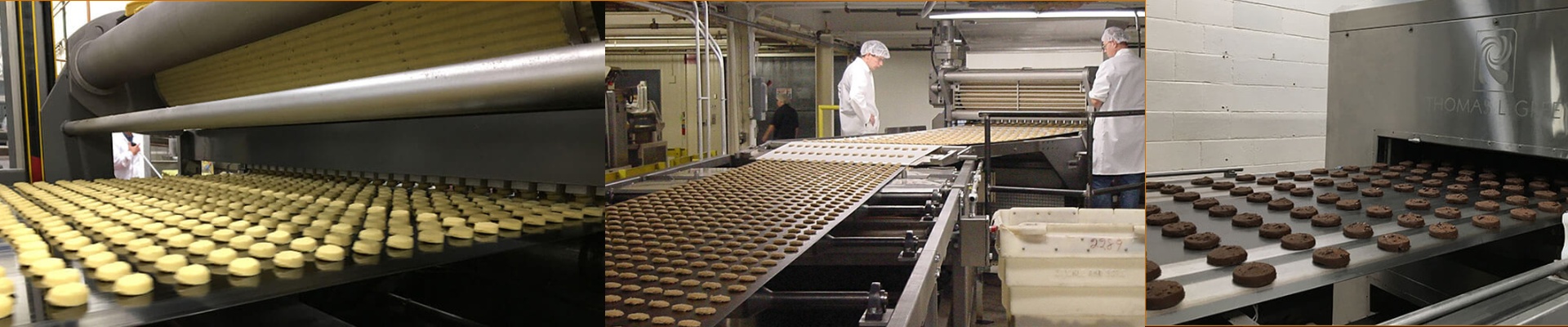
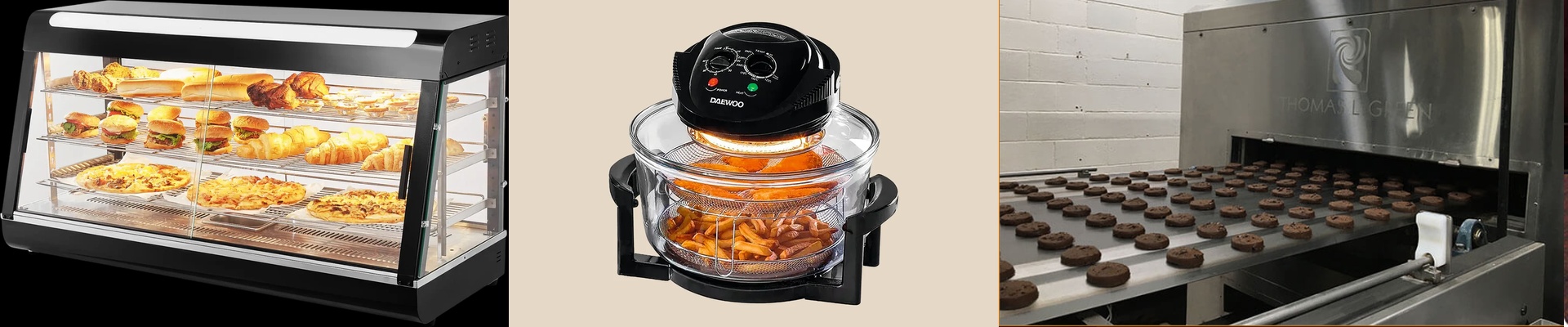
There’s nothing more frustrating than pulling a batch of products out of a commercial oven only to find half of them are under-cured and the other half are scorched. It’s a waste of time, a waste of material, and a total headache. Usually, this happens because of “dead spots”—those annoying cold zones where the heat just doesn’t reach. We’ve found a way to fix this by ditching the standard layout and going with circular infrared (IR) heaters.
Why the circle works
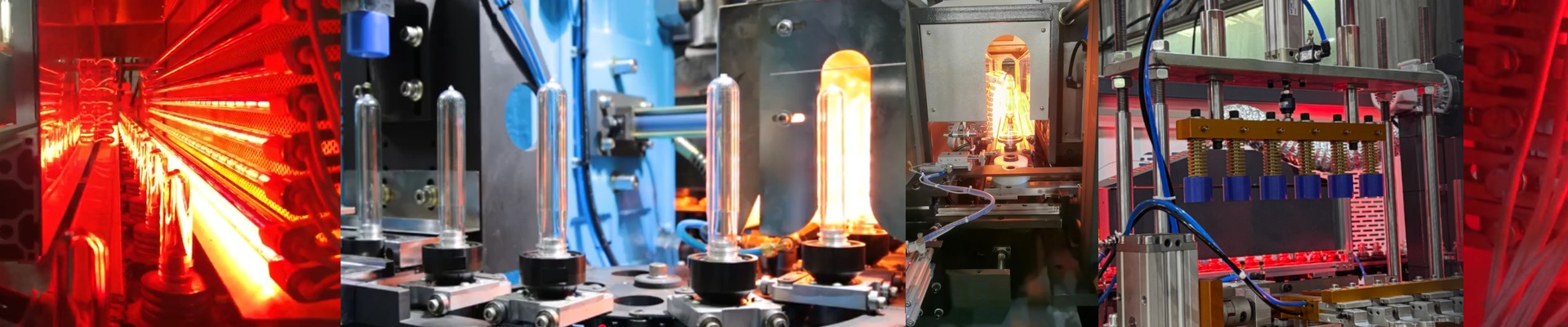
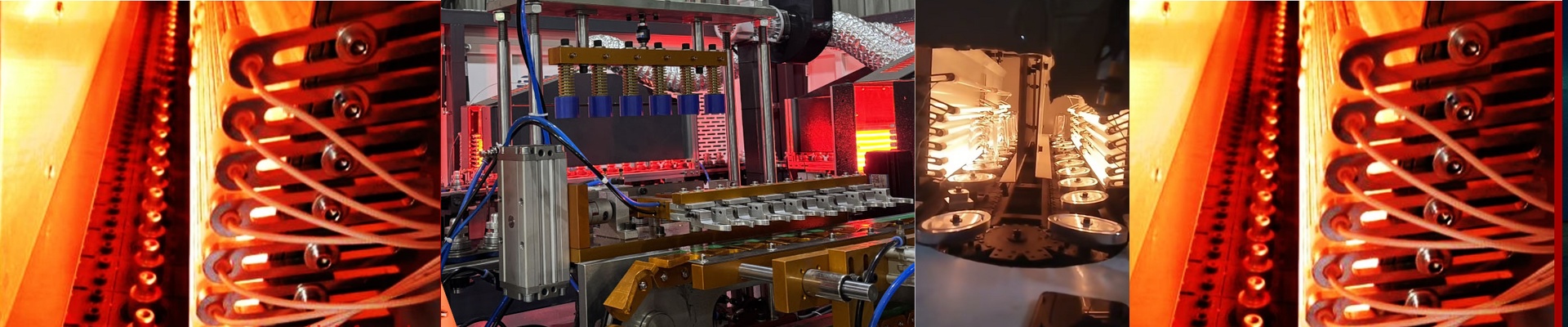
Most ovens use linear heating elements, but those often leave “stripes” of uneven heat. It’s just the way the physics works. By arranging the IR emitters in a ring or concentric circles, we change the game. Instead of the heat coming from one direction, the product gets hit from multiple angles at once. It’s direct. It’s fast. And because it relies on radiation rather than waiting for air to move around (which is slow and unpredictable), you get a much more consistent result.
Getting the power right
To make this actually work, you can’t just throw a heater in and hope for the best. We calibrate the wattage and voltage to fit the specific size of your oven. If you want a fast ramp-up, you need high-wattage circular tubes. But here’s the catch: your power supply has to match those specs perfectly. If you over-spec the voltage without a decent controller, you’re just going to fry your filaments. We use quartz envelopes for the heaters because they’re incredibly clear. This means the IR waves pass right through and hit your product, rather than getting trapped and heating up the heater housing itself.
The trade-offs (and how to handle them)
Wiring these systems takes a bit of a steady hand. We use standard connectors to keep everything tight and prevent any dangerous arcing when things get hot. One thing to keep in mind: high-density IR arrays put out a lot of ambient heat. Even though the IR waves are targeting your product, the oven chassis is still going to feel the burn. You’ve got to be smart about your cooling fans and insulation. If you don’t have a solid thermal barrier, you’ll end up spending all the energy you saved on IR just trying to keep your external electronics from melting. It’s all about balance.