Stop Replacing Your Entire Heater: A Better Way to Build
Let’s be honest: outdoor electric heaters have a rough life. They deal with rain, freezing winters, and layers of dust. Eventually, the heating elements just give up. Usually, that means you’re facing the “five-year burnout.” And once that happens, you’re either tossing the whole expensive chassis in the trash or spending a miserable afternoon fighting with complex wiring just to get a bit of warmth back. We thought that was ridiculous. So, we built a modular system instead.
The “Swap-and-Go” Approach
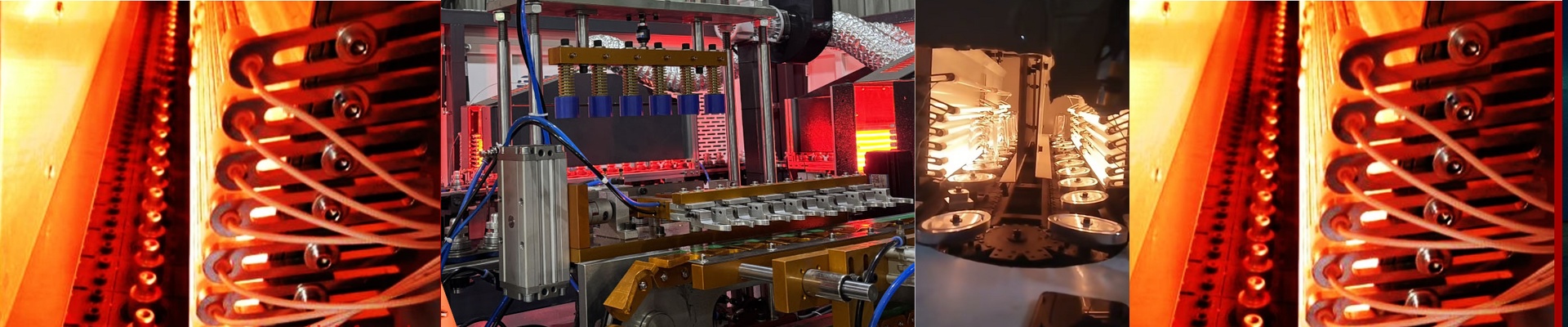
Most heaters are built as one big, stubborn piece. If one tube dies, the whole machine is basically a paperweight unless you’re prepared for a total teardown. We decided to split the heating core away from the frame. Now, the elements just sit in their own slots with quick-connect terminals. No stripping wires. No swearing at a manual. You just pull the dead tube out, slide a new one in, and lock it down.What used to be a four-hour headache now takes about fifteen minutes.
Fighting Water and Heat
Here is the tricky part: waterproofing and heat don’t usually get along. If you seal everything too tight, the heat can’t escape. If you leave it open, the rain gets in. We tackled this by using specialized seals right where the wires meet the quartz tubes. It keeps the moisture from creeping into the electrical bits where it doesn’t belong. But keep in mind, these tubes get hot. Like, really hot. That heat makes materials expand and shrink, which can eventually crack a cheap seal. That’s why we use high-temp silicone gaskets. They breathe with the heat. Still, I’d recommend giving those seals a quick look every two years just to make sure they’re still holding up.
Real-World Maintenance
We designed these for people actually working in the field, not for a lab. Since the footprints are standardized, you can keep a few spare tubes on a shelf without worrying if they’ll actually fit. If a tube burns out after years of heavy use, a tech can just drop in a replacement without needing a specialized toolkit. It keeps things simple. It keeps the heat running. And it saves you from buying a brand new heater every few years.