

Why Your Bathroom Heater Actually Needs to Be Infrared
Let’s be honest: nobody likes that shivering feeling when you step out of a hot shower into a freezing bathroom. Most of us grew up with those old-school heat lamps—the ones that look like giant lightbulbs. They’re okay, but they really struggle once the room gets steamy. That’s why we’re moving toward waterproof infrared heaters. It’s not just about fancy tech; it’s about how they actually handle water and heat.
The battle against steam
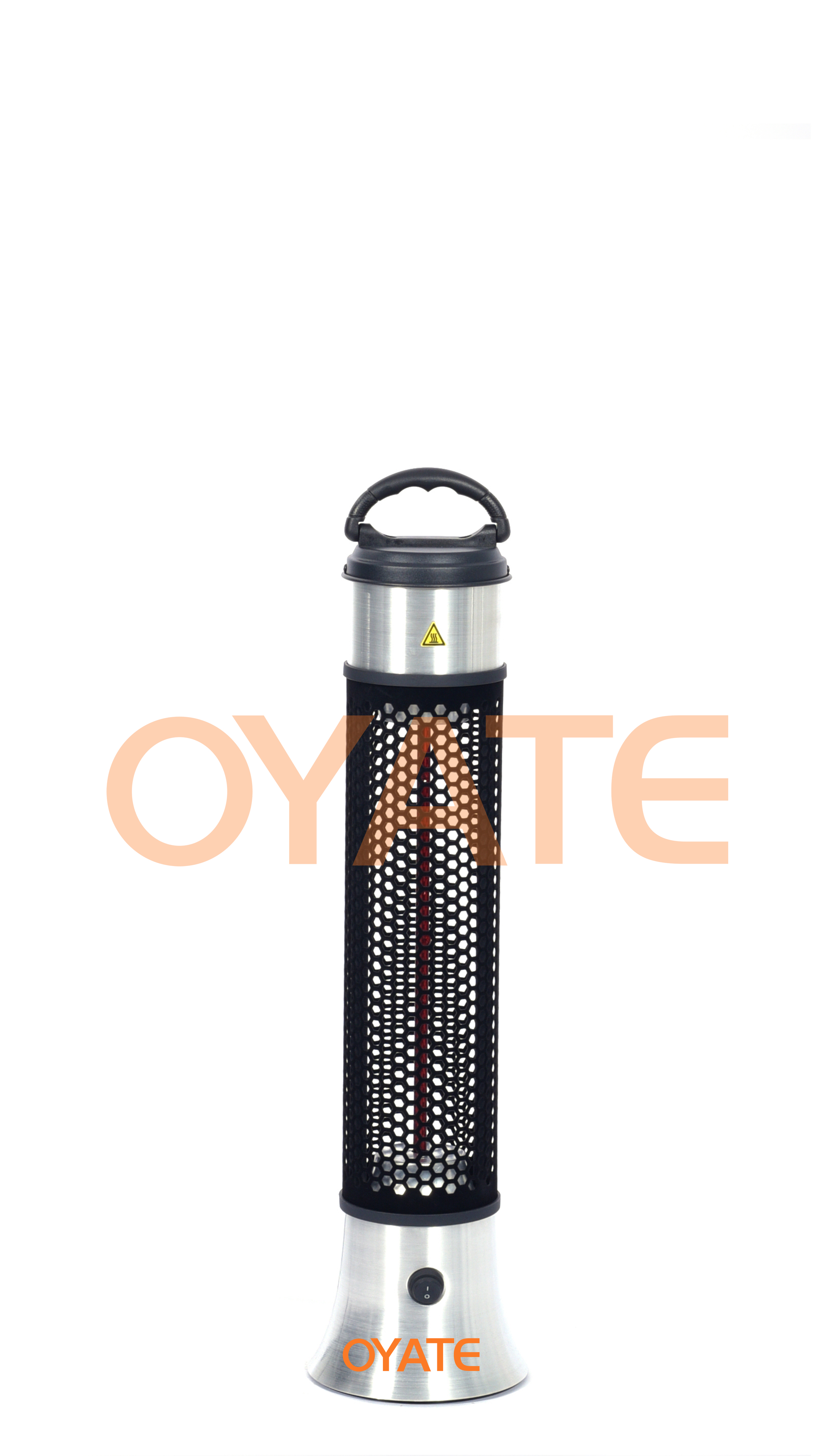
Here is the problem with cheap heaters: steam gets inside. It finds a way into the housing, messes with the wiring, and—pop—your heater is dead. It’s usually just oxidation eating away at the internals. The high-end infrared units fix this by using sealed quartz tubes and enclosures that actually keep the moisture out. It means the electronics stay dry and the heater doesn’t give up on you after a few months of daily showers. You want something that can take a beating from the humidity without short-circuiting.
Feeling the heat (instantly)
There is a massive difference in how these things actually warm you up. Old heaters try to warm the air. But hot air rises, so it just floats up to the ceiling while your toes stay ice-cold. Infrared is different. It sends out waves of heat that hit you and the walls directly. It feels like standing in the sun. You don’t have to wait ten minutes for the room to “warm up”—you feel it the second you flip the switch. We even use special coatings on the tubes so the heat sinks deeper into your skin, rather than just warming the air around you.
A few things to watch out for
Now, there is a catch. These systems pull a bit more power than a couple of old lightbulbs. If your home has really old wiring, you might trip a breaker if you just plug one in and hope for the best. It’s worth double-checking your circuit load first. You’ll also want to make sure your grounding is solid and your conduits are sealed tight. Safety first, obviously. They take up less space and work way faster, but they aren’t exactly “plug-and-play” like the old stuff. They need a proper setup to work right. But once they’re in? You’ll never want to go back to those old lamps.