How to Actually Stop Your Bathroom Mirror From Fogging Up
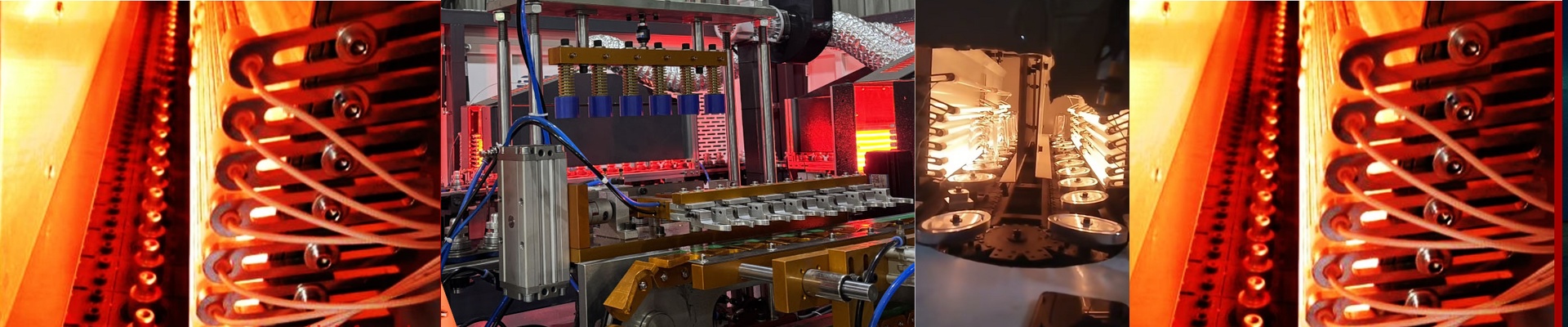
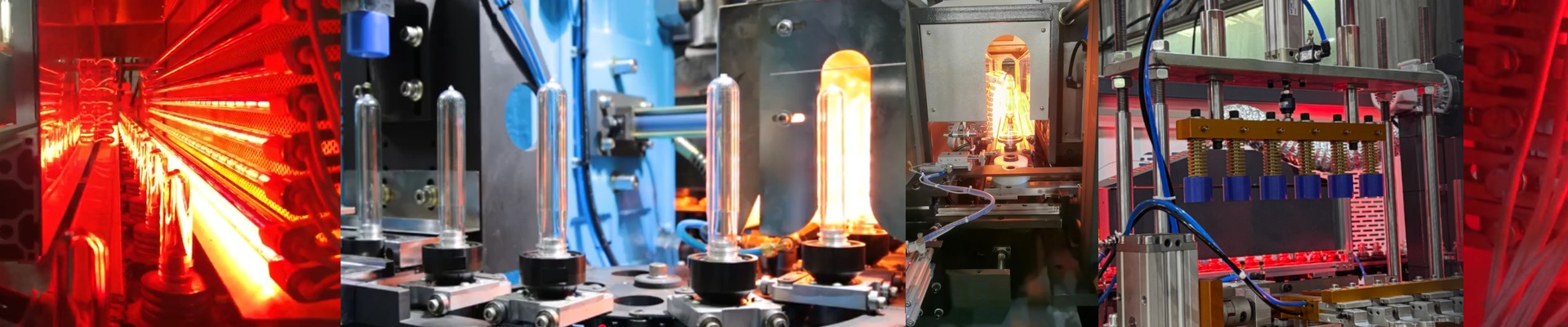
Ever step out of a hot shower and realize you’re basically staring at a wall of white mist? It’s annoying. You end up wiping a streak through the glass with your hand, which just leaves a smudge. That’s why we use shortwave infrared (IR) tech for our high-end mirrors. Instead of trying to heat up all the air in the room—which takes forever—we send the heat straight to the glass. It happens in seconds. You turn it on, and the fog just vanishes. The secret is in the waves. Most heaters rely on air currents to move warmth around. We don’t do that. Our heaters shoot out electromagnetic radiation. When those waves hit the back of the mirror, they turn into heat instantly. We keep the power density high so the glass stays warm enough that water droplets can’t even stick to it. What’s inside the box? We use high-purity quartz glass for the heating elements. Why? Because these things click on and off constantly. Quartz can handle that sudden jump in temperature without cracking. We also fill the tubes with halogen to make the filaments last longer and keep the heat steady. Space is always an issue behind a mirror, so we use low-profile connectors. We keep the wiring lean and mean so it doesn’t get in the way of the mounting brackets. It just fits. A few things to watch out for. Here’s the catch: you have to get the spacing just right. If the lamp is too close to the mirror backing, you can actually burn the silvering. That leads to those ugly brown “burn-out” spots that you can’t fix. And a quick heads-up on the electrics. These units pull a decent amount of power the moment they kick in. Make sure your bathroom circuit can handle the surge, or you’ll be spending your morning resetting the breaker in the garage.