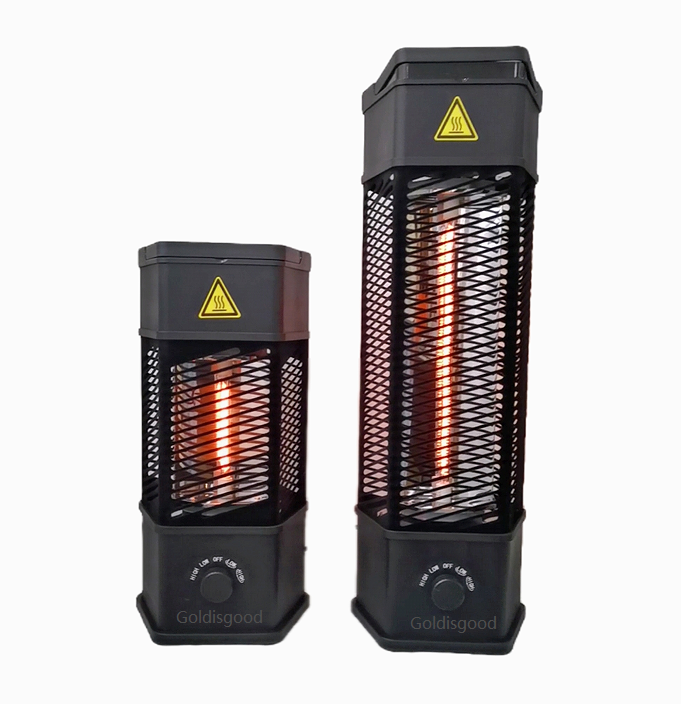
Why we put our bathroom heaters through a “torture test”
Let’s be honest: bathrooms are a nightmare for electronics. You’ve got thick steam, random water splashes, and the temperature jumping from freezing to boiling in minutes. If a seal slips or some insulation wears down, the unit doesn’t just stop working—it trips your breaker or burns out completely. We aren’t interested in guessing if a heater will last. That’s why we use damp-heat aging tests. Basically, we try to break the product in our lab so it doesn’t break in your home.
The truth about IP66 and moisture
You’ll see “IP66” on the box, which is just a fancy way of saying it keeps out dust and handles powerful water jets. But here’s the thing: a seal that works on day one might not work on day 100. When the heater turns on and off, the materials expand and shrink. This creates tiny, microscopic gaps in the gaskets. We blast our lamps with high-temperature humidity for days to see if moisture sneaks into the electrical terminals. If a single drop hits the wiring, it’s game over. Short circuit.
Watching for “material fatigue”
The real battle happens where the quartz glass meets the metal housing. These two materials don’t grow or shrink at the same rate, which puts a ton of stress on the seals. We cycle the heaters through wet and dry phases over and over. We’re looking for the sealant to crack or peel. We also keep a close eye on the contact points for any sign of rust. If those terminals corrode during our tests, they’ll overheat in the real world and die way too early.
The balancing act
There is a bit of a trade-off here. To get that airtight IP66 seal, we have to trap the heat inside. Since the air can’t flow as freely as it would in a cheap, open-frame heater, the internals get a lot hotter. Because of that, you’ll want to make sure you leave a bit of breathing room around the unit when you install it. We’ve spent a lot of time tweaking the wattage to make sure you get that cozy, instant heat without pushing the waterproof casing past its limit.