Getting Your Rotary Ovens to Actually Listen to Your AI
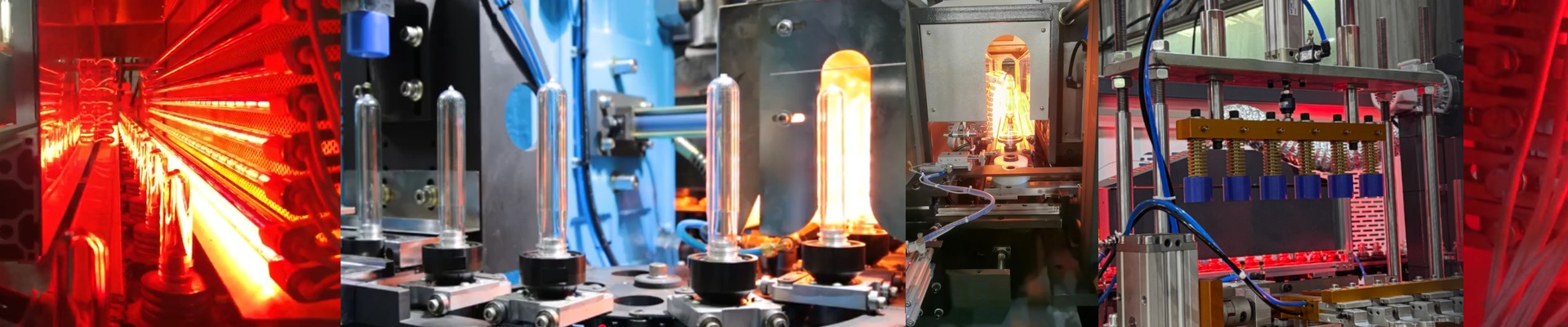
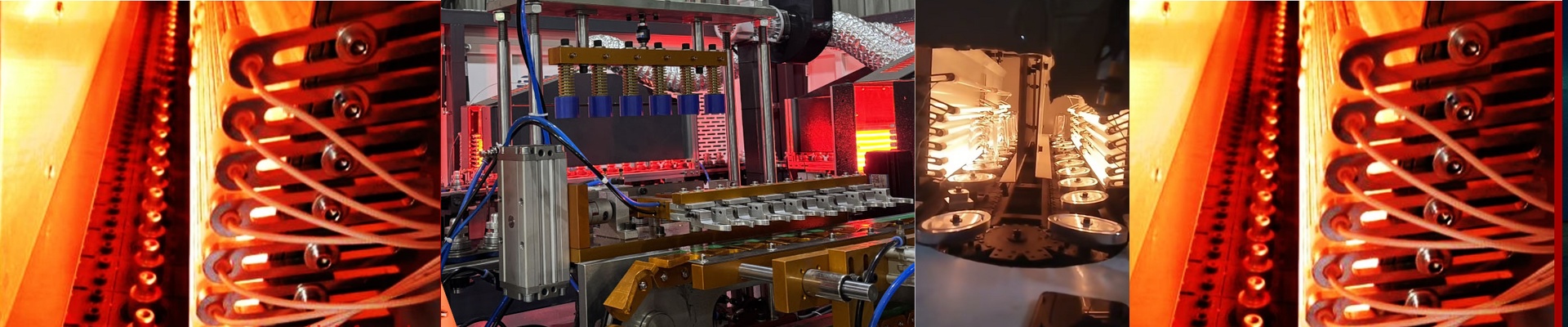
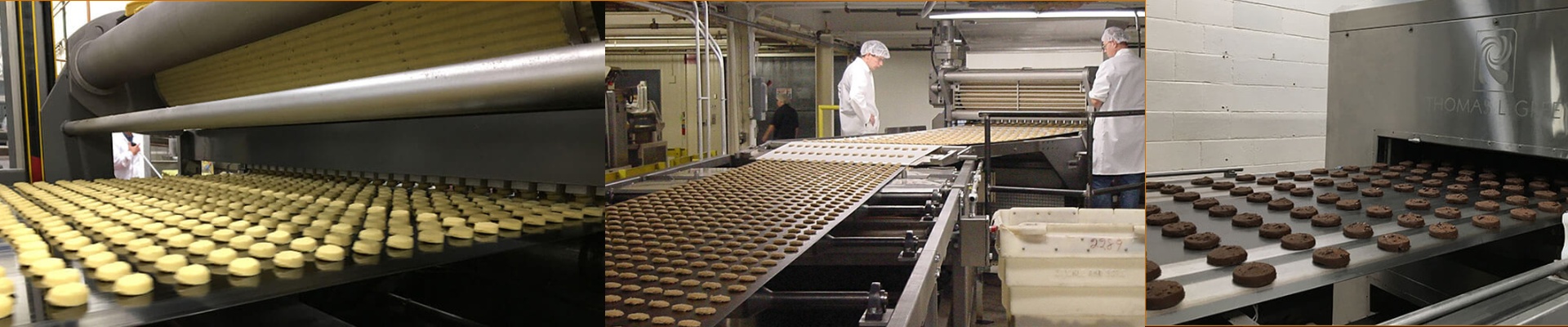
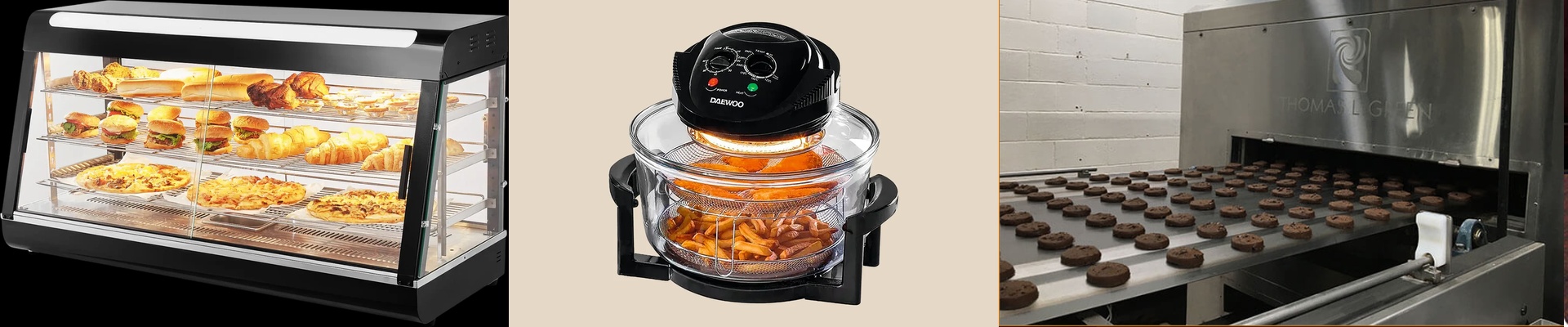
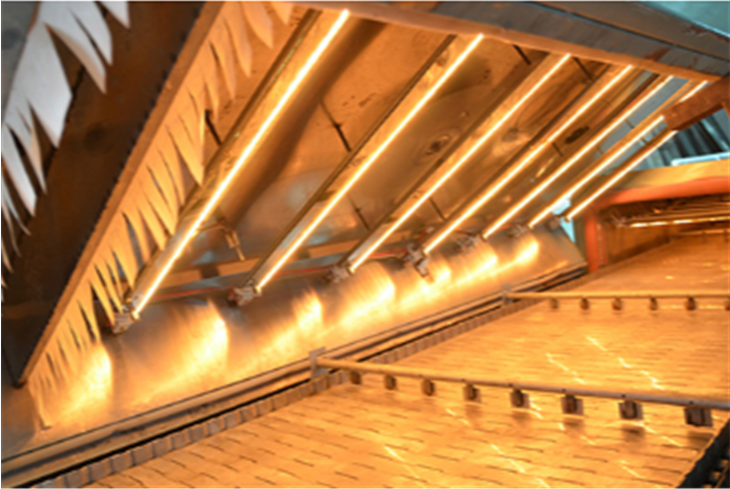
Smart kitchens are changing fast. We’re seeing a big move toward AI-driven heat management, but here’s the catch: your AI is only as good as the hardware it’s controlling. If you’re using generic heating elements in a rotary oven, you’re fighting a losing battle. You need IR lamps that can actually keep up with real-time sensor data. The struggle with heat lag Think about how a rotary oven works. The food is moving, which means your heat source has to be spot on. We build our IR heaters to handle rapid cycling without breaking a sweat. By using short-wave IR, we make sure the energy hits the food directly. It doesn’t waste time heating up the air first. This is huge because it kills that annoying lag time between the AI sending a command and the food actually getting hotter. It just happens. Fast. Fitting the gear into your build Let’s be honest—standard lamps rarely fit into a tight, smart-oven chassis. It’s usually a nightmare of “almost fits.” That’s why we do the custom work for you. We can tweak the wattage and length to fit your specific oven volume perfectly. Whether you need a heavy-duty hit for searing or something gentler for warming, we spec the filament so you don’t end up with those frustrating hot spots. And for the wiring? Just let us know if you’re using R7s or SK15 connectors and we’ll handle it. A few things to keep in mind We use high-purity quartz glass because it lets the IR through without any fuss. Some of our setups even have a special coating to shift the emission spectrum if that’s what your project needs. But a word of caution: if you crank up the wattage to push more product through, your power supply is going to feel it. Plus, you’re adding more ambient heat to the oven housing. Make sure your ventilation can actually move that air, or you’ll end up frying your control boards. Not a fun day for anyone. Making the switch For the engineers reading this: these lamps are basically drop-in replacements for your old elements. Since they react almost instantly to voltage changes, you can finally tighten those PID loops. No more overshooting the temperature and hoping for the best. It’s a simple swap that turns a clunky oven into a precision tool.