Getting the Heat Right in Your Deck Oven
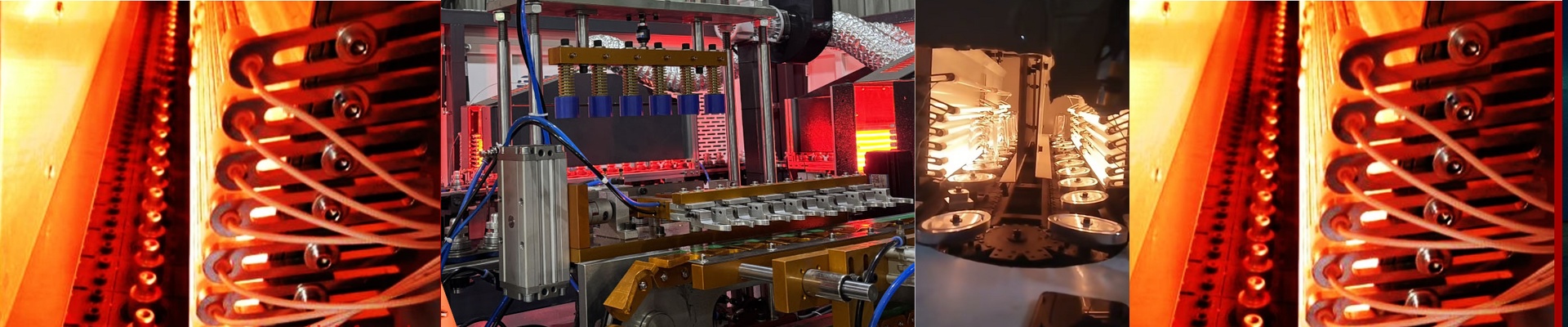
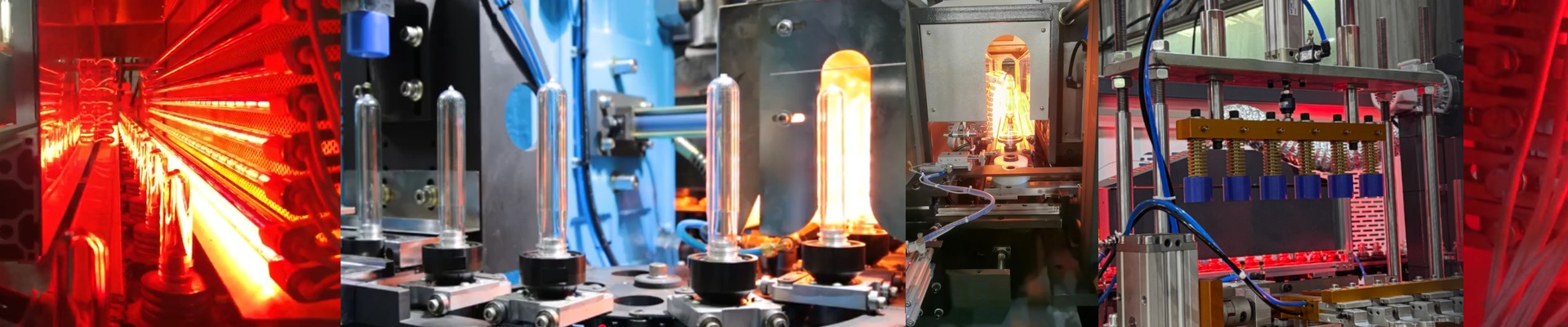
Ever pull a loaf out of the oven only to find the crust is bone-dry but the inside is still gummy? It usually happens because the air in the oven is doing all the work, stripping the moisture out of your dough before it can actually bake. That’s why we use infrared (IR) heating elements. Instead of just heating up the air and hoping for the best, IR sends energy straight into the bread. It’s a direct hit.
Managing the Flow
The trick is controlling the “energy flow”—basically, how much power is actually hitting your product. Depending on the wavelength we use, the heat behaves differently. Short-wave IR hits the surface hard and fast. It sears the outside quickly, which locks the moisture inside where it belongs. Long-wave IR is a slower burn; it sinks deeper into the loaf to make sure the core is cooked through. Now, you have to be careful with your wattage and voltage. If you cram too many high-density elements into a small space, you’ll get the oven up to temp fast, but you’re putting a lot of stress on your wiring. Plus, you risk creating “hot spots.” There’s nothing worse than a burnt bottom and a raw center.
The Right Materials
We mostly use quartz envelopes for these elements. Why? Because quartz can handle the shock of heating up and cooling down rapidly without just snapping. We also add specific coatings to these tubes. This stops the heat from just bouncing off the crust and makes sure the bread actually absorbs the energy.
The Trade-offs
Look, IR isn’t a magic wand. There are things you have to watch out for. These elements are a bit fragile. You can’t treat them like a heavy-duty cast-iron plate; they’ll break if you’re rough with them. Make sure your mounting brackets are rock solid. You also need to tune your PID controllers. IR reacts fast—really fast. If your sensors are lagging even by a few seconds, you’ll overshoot your temperature and end up drying out your dough anyway. It takes a little bit of tinkering, but once it’s dialed in, the results are worth it.