Why Wait for Your Oven to Heat Up?
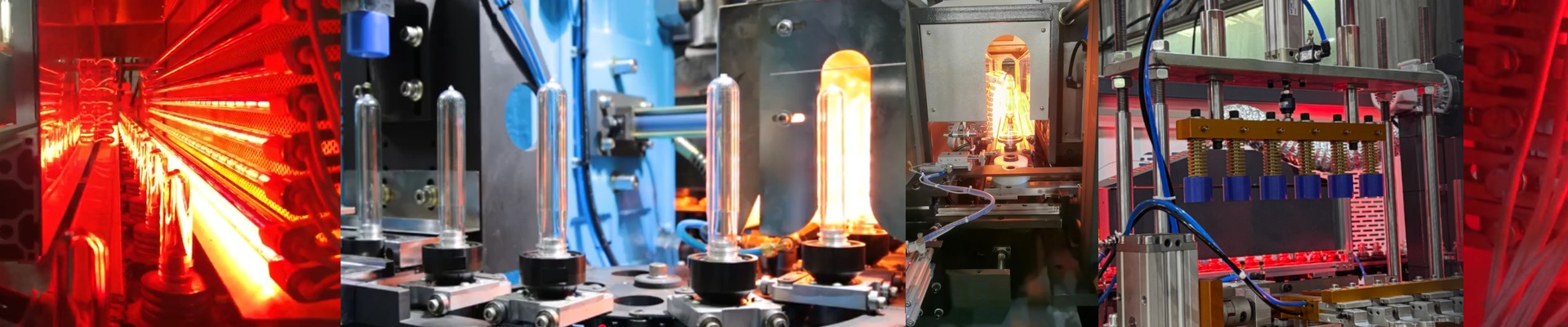
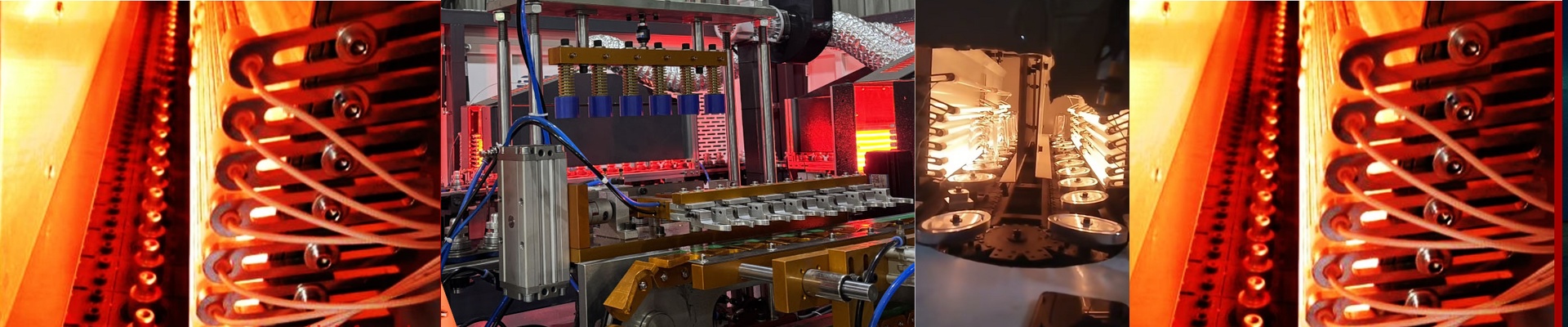
Most oven elements are slow. You turn them on, go grab a coffee, and maybe—just maybe—they’ll be ready by the time you get back. We got tired of that lag, so we switched to circular quartz heating tubes. The difference is night and day. Instead of waiting for the air to warm up, these tubes use short-wave infrared radiation. The energy hits the dough almost instantly. You flip the switch, and you’re baking. Just like that. The secret is in the speed. To get to 300°C in a matter of seconds, we focused on power density. We put a tungsten filament inside a high-purity quartz shell. Because the quartz doesn’t soak up the heat, the energy doesn’t get trapped inside the tube—it shoots straight out toward your bread. It’s a much cleaner way to work, and you stop wasting power on long pre-heat cycles. We went with a circular shape because it’s the best way to make sure every inch of the bread gets the same amount of heat. No more annoying cold spots. But a quick heads-up: quartz is sensitive. If you’re pushing these to 300°C, you can’t have fingerprints or grime on the glass. Even a little bit of oil from your skin can cause the tube to stress-crack the first time it heats up. Keep them spotless. A few things to keep in mind for the setup. These tubes fit right into most high-end commercial arrays. They don’t take up much space, but they pack a massive punch. Because they react so quickly, you have to be smart about your controls. A basic mechanical thermostat won’t keep up—it’ll overshoot your target and you’ll end up with burnt bread. I’d suggest using a PID controller with fast sampling. It keeps the temperature steady and your product perfect. Just remember that speed comes with a trade-off: these things are fragile. Quartz snaps. Make sure your mounting brackets are tight so the tubes aren’t vibrating against the oven frame. And for heaven’s sake, don’t pull on the wiring. Keep the tension off the terminals, and they’ll treat you just fine.