Getting Your Crust Right: The Truth About IR Heating in Bakeries
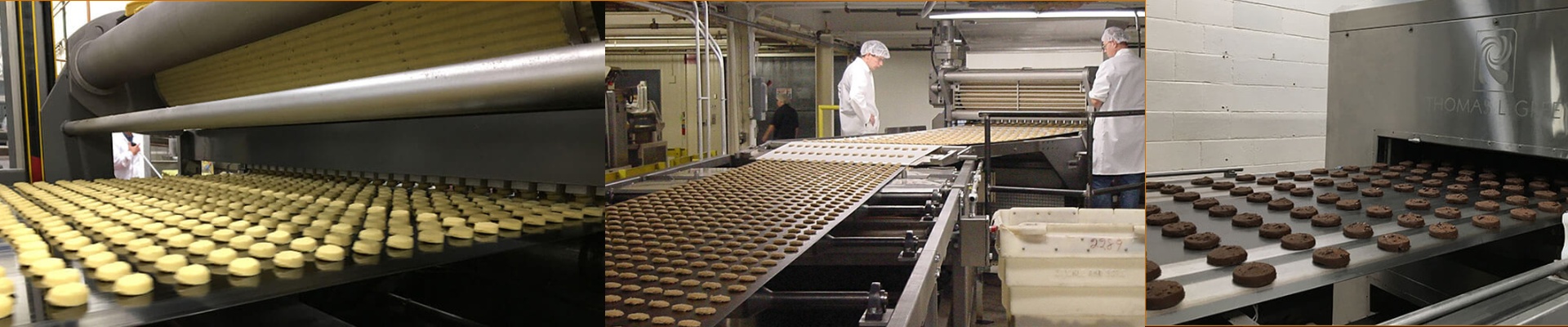
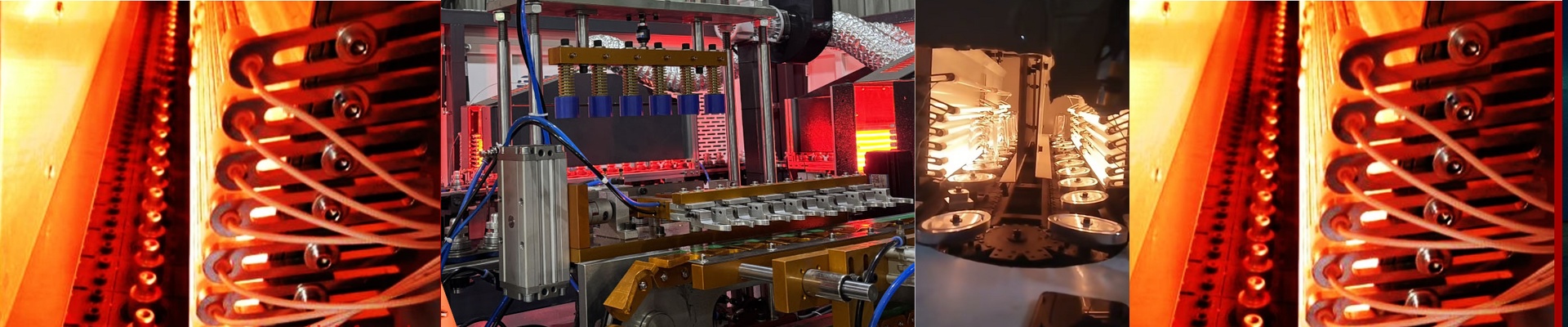
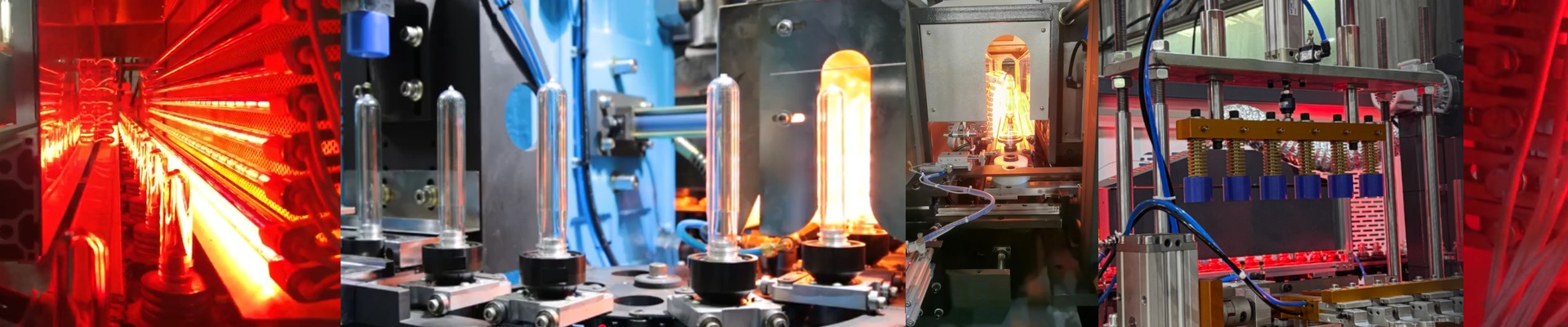
If you’ve ever struggled to get that perfect, golden-brown crust without drying out the inside of your bread, you know the frustration. It’s a balancing act. That’s why we use 1000W infrared bulbs in our automated lines. Instead of just heating the air, these lamps shoot short-wave radiation straight into the dough. It hits the surface instantly. No waiting around for the oven to “soak”—just immediate, intense heat exactly where you need it. The Nitty-Gritty on Power You need that 1000W punch to get rapid browning. But here’s the thing: you have to get your voltage right. Whether your shop runs on 110V or 220V, the bulb has to match. If you try to force too much current through a bulb that isn’t built for it, you’re going to have a bad day. The quartz envelope will simply give up and fail. It’s better to spec it correctly from the start than to be replacing blown lamps every Tuesday. How We Actually Control the Heat We don’t just flip a switch and hope for the best. That’s a recipe for burnt bread. Instead, we wire these bulbs into the PLC using PID controllers and Solid State Relays (SSRs). Basically, the system “pulses” the power. It talks to the thermocouple in a constant loop, adjusting the heat on the fly. This keeps your temperature steady within ±1°C. It’s precise. It’s consistent. And because we use quartz glass, the bulbs can handle being turned on and off rapidly without cracking from the thermal shock. Plus, we can make them in custom lengths, so they just slide right into your existing setup. A Few Things to Watch Out For High-wattage lamps get hot. Like, really hot. You can’t just ignore the air around the socket. If your ventilation is lazy, the heat will eat through your wiring insulation until it cracks. Make sure your cooling fans are actually up to the task of moving that waste heat away from the housing. One last tip: watch your shielding. Without it, you’ll end up with “hot spots”—those annoying burnt patches on an otherwise perfect loaf. It all comes down to the gap between the bulb and the bread. Take a moment to calculate that distance. Get the heat flux just right, and your product will thank you.