
Getting the Heat Right in Your Bathroom
Here is the thing about infrared lamps: if you don’t match the wattage to the size of the room, you’re just asking for trouble. If you throw a 1200W lamp into a tiny powder room, it’ll feel like a sauna in about ten seconds. Too hot. But if you put a 400W unit in a big master bath? You’ll be standing there shivering, wondering why you spent the money. It just won’t hit that cozy skin temperature you’re looking for.
How the heat actually works
It’s a bit different from a space heater. Infrared doesn’t really care about the air; it just wants to hit something solid. In this case, that’s you. In a small space, 400W to 600W is usually plenty to keep you warm. For the bigger rooms, you’ll either need more power or a few more lamps spread out. And keep an eye on your ceiling. If you’ve got high ceilings, a lot of that warmth vanishes before it ever reaches you. Tiled walls actually help a bit because they bounce some of that heat back, but the height is the real deal-breaker.
The gear and the setup
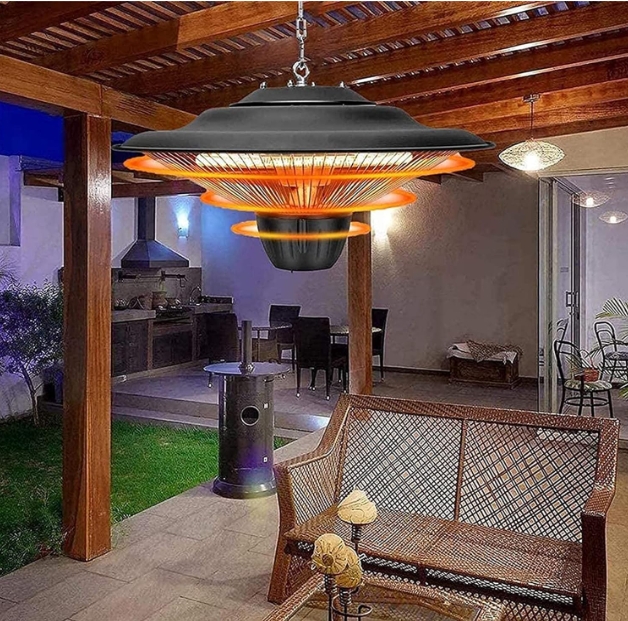
We use quartz glass and halogen gas in our units because it helps the bulbs last longer. We also use R7s or similar push-in connectors. Why? Because when a bulb finally goes, you want to be able to pop a new one in quickly without calling a technician. But you have to be careful with where you mount them. High-wattage lamps create a “hot zone” right underneath the fixture. If you mount it too low, it’s uncomfortable—almost stinging. Too high, and you lose that “instant warmth” feeling the moment you step in. It’s all about finding that sweet spot.
Saving a bit of cash
Since these lamps heat up almost the second you flip the switch, there’s no reason to leave them running. Grab a timer or a motion sensor. Leaving the heat on for five minutes after you’ve already left the room is just throwing money away. One last tip: wire them into their own dedicated circuit. It prevents those annoying voltage drops that can fry the filament and kill your bulbs way sooner than they should.