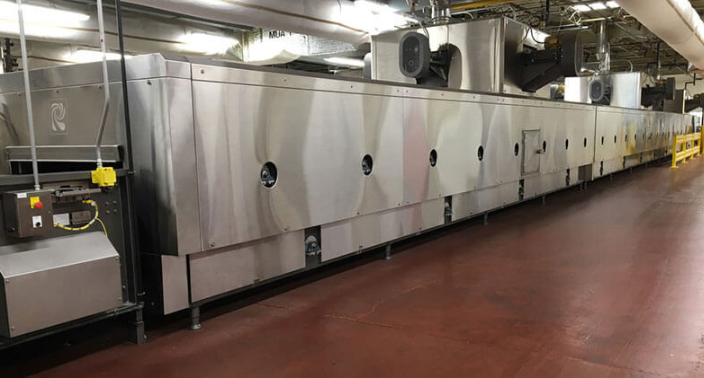
Stop Waiting for Your Ovens to Warm Up
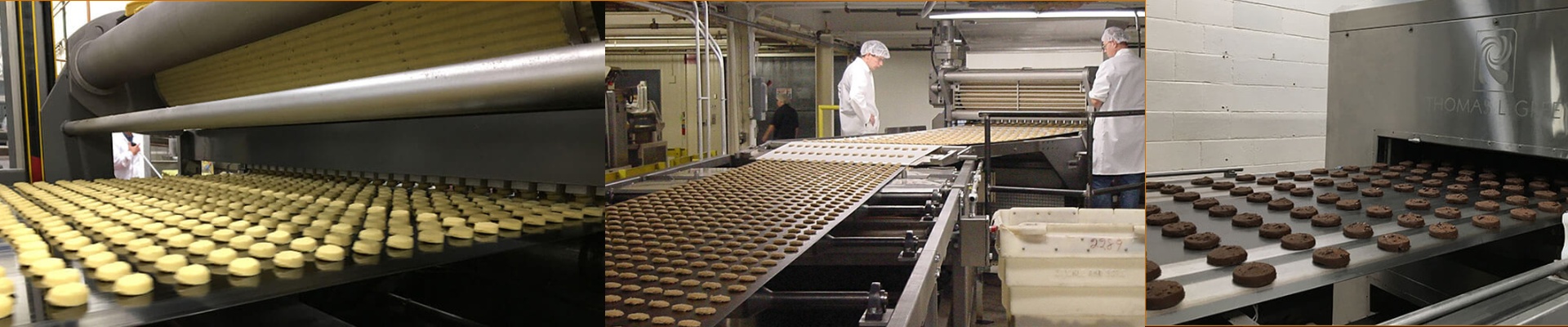
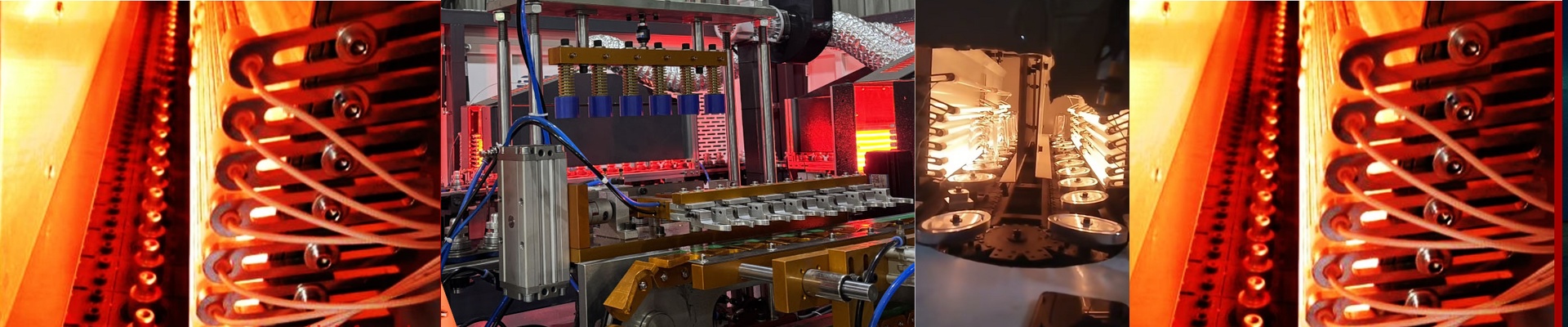
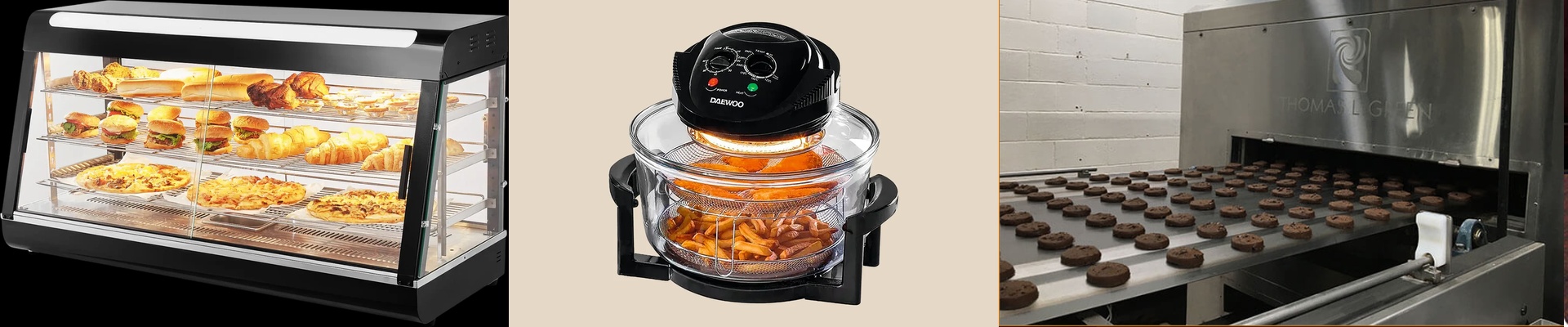
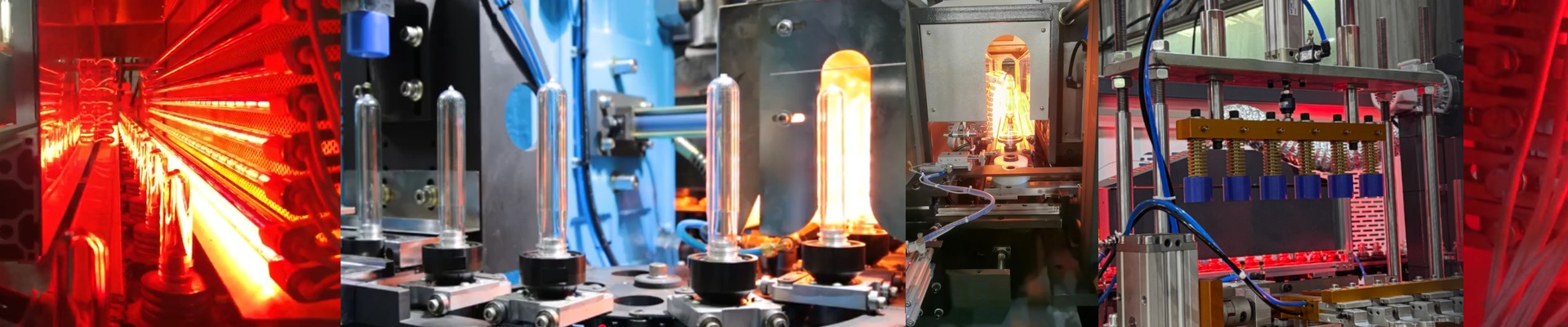
There is nothing more frustrating than standing around waiting for an industrial oven to hit temperature. Those slow preheat cycles and sluggish recovery times aren’t just annoying—they’re eating into your profit. If you’re relying on convection alone, you’re basically playing a waiting game. You have to heat the air, then the walls, and then finally the product. It’s a slow process. We do things differently. We use nichrome wire tucked inside high-purity quartz tubes. Instead of heating the air, these infrared (IR) heaters send energy straight to the surface of your product. It hits the dough instantly. Why this actually works We use nichrome because it’s tough. It builds up a protective layer that keeps the wire from burning out, even when you’re pushing it hard. But the quartz tube is where the magic happens. It doesn’t soak up the heat; it lets the IR radiation slide right through. That means the energy goes into your pastry, not into the equipment. Putting it to work You can add these tubes as auxiliary heaters to speed up your cycles. If you place them right near the conveyor or where the product enters the oven, you create a “hit zone” that triggers an immediate crust. These things pack a punch. You get way more heat in a much smaller space than you would with old-school calrod heaters. One heads-up, though: quartz is fragile. If your oven shakes or takes a lot of mechanical hits, don’t just toss them in. You’ll want a reinforced mounting bracket so you aren’t replacing cracked tubes every other week. The trade-off Yes, your preheat time will plummet. But because the heat is so concentrated, you have to be careful. If your belt is moving too slowly, you’ll scorch the top of your product. You’ll need to tweak your PID controllers to find that sweet spot between the IR intensity and the ambient air temp. If you go too heavy on the wattage without checking your airflow, you’ll end up with a burnt crust and a raw center. Just a bit of calibration and you’re golden.