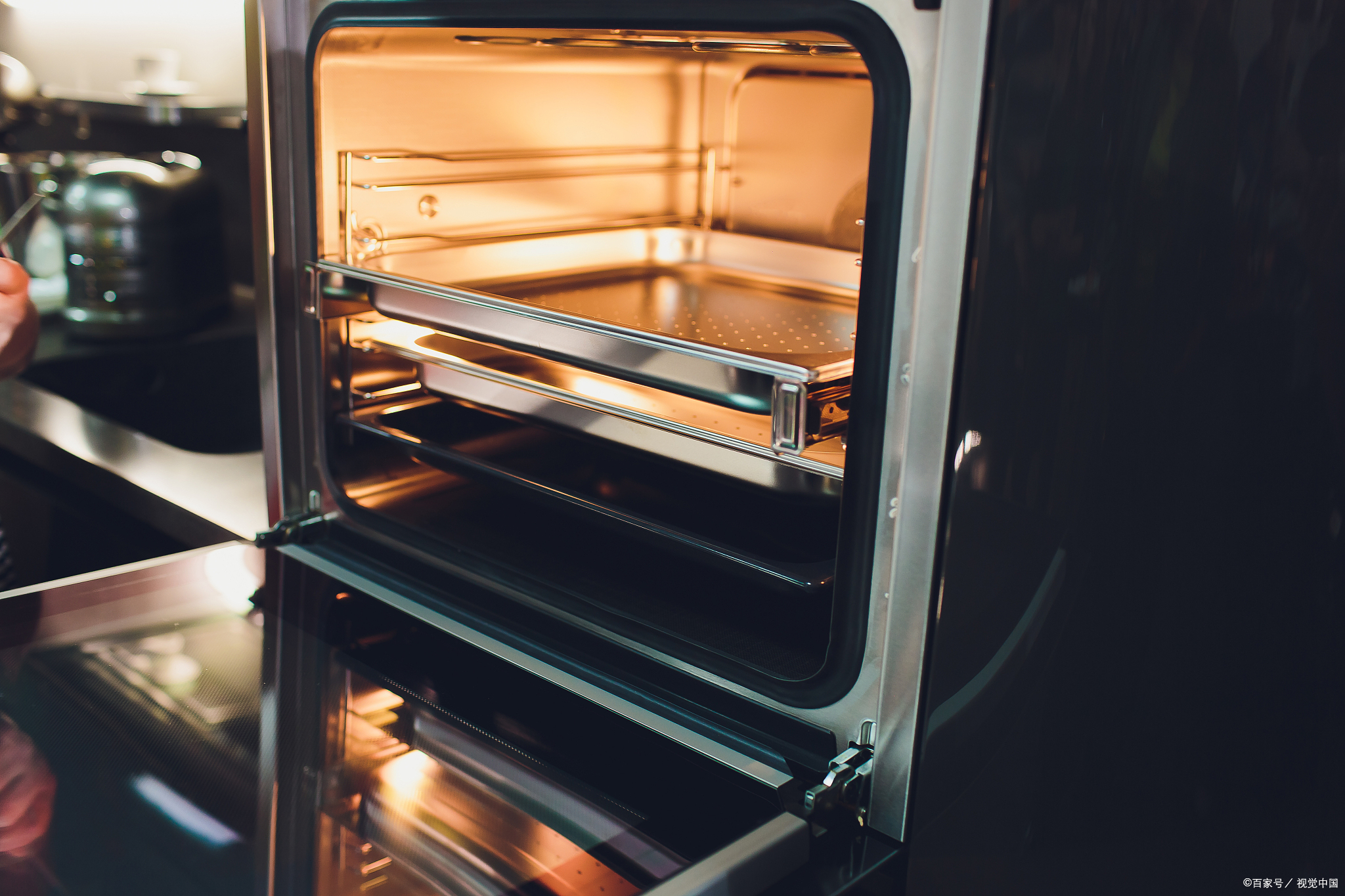
How to Actually Get That Perfect Golden-Brown Crust
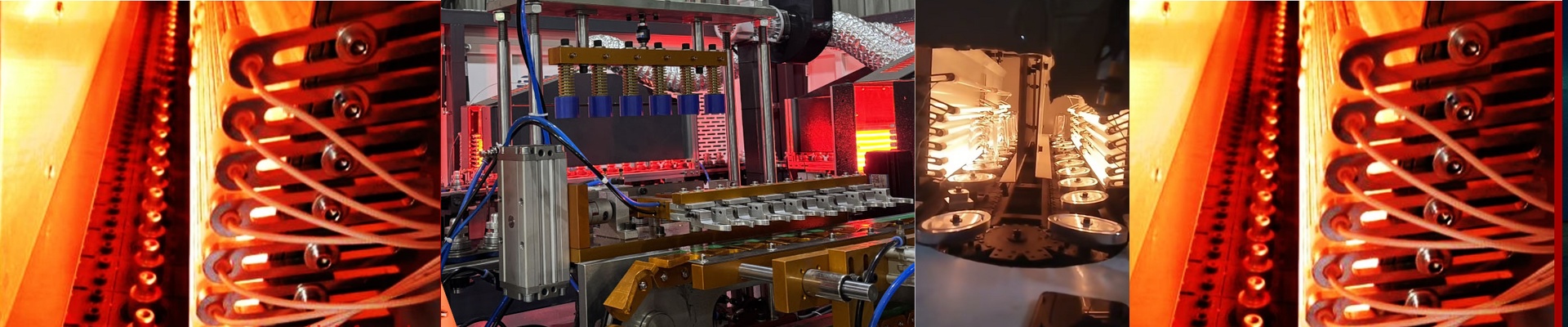
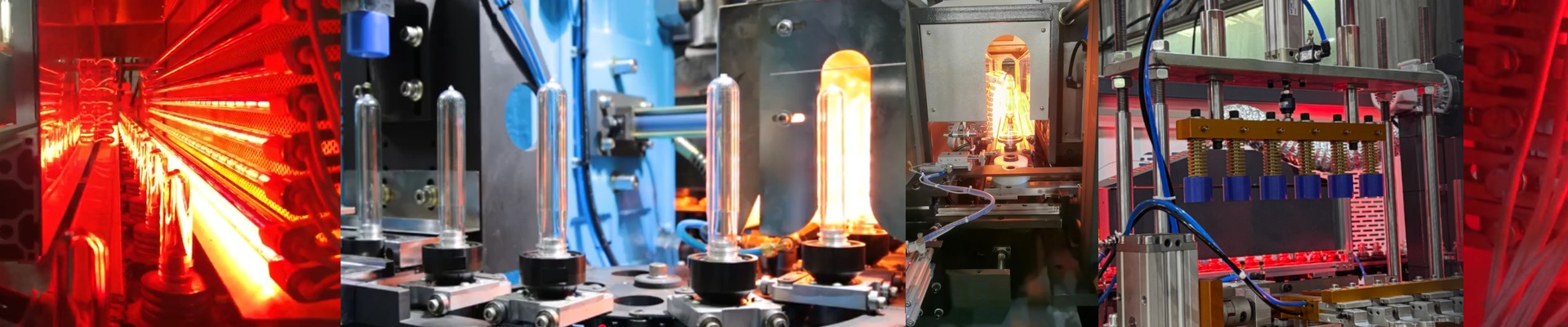
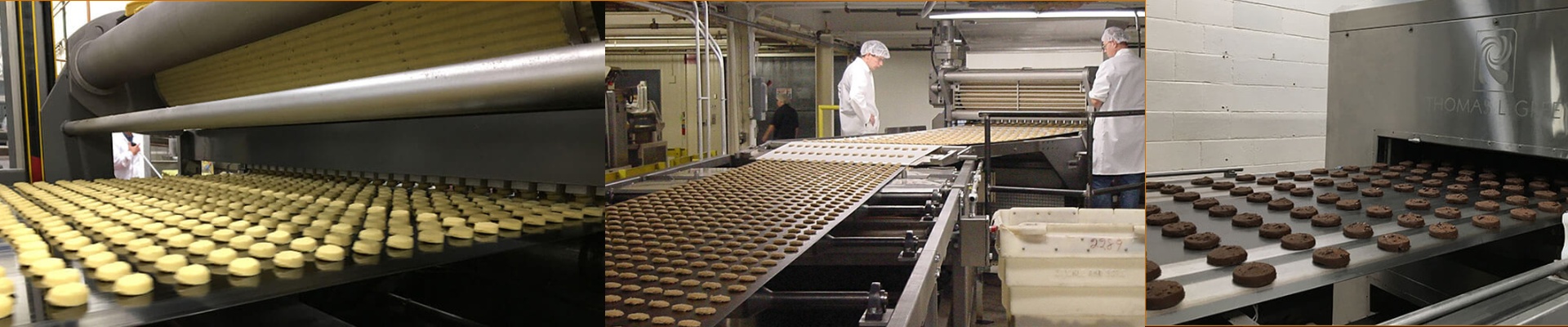
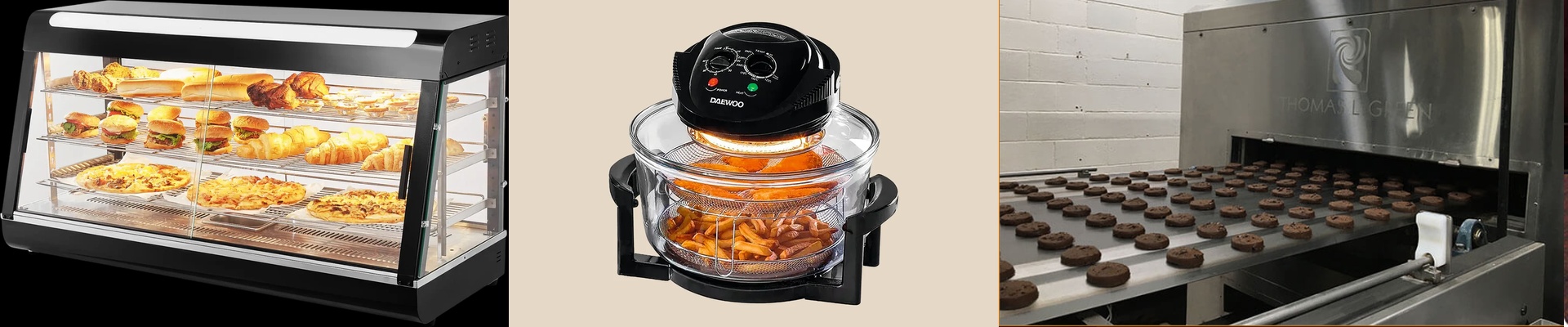
We’ve all seen it—that textbook, golden-brown crust that makes a loaf of bread look irresistible. But getting that look consistently in a production environment is a bit of a balancing act. It all comes down to how you handle your infrared (IR) heat. That’s why we stick with quartz heating tubes. They don’t warp when things get hot, and they send that IR radiation straight into the dough exactly where it needs to go. The secret to the color Getting the browning right—the Maillard reaction, for the science fans—is all about the wavelength. Shortwave IR digs deep into the bread, but medium-wave IR is what really hits the surface to give you that color. Here’s the tricky part: you have to nail the balance between your wattage and how far the tube sits from the bread. If you crank the intensity too high, you’ll char the outside while the middle is still raw. Too low? Your bread just dries out and looks pale. We don’t believe in “one size fits all” here. We tweak the wattage and tube length so the heat actually matches how fast your conveyor is moving. Why quartz? We use high-purity quartz glass because it just lasts. It stays clear and doesn’t break down, even when it’s heating up and cooling down a hundred times a day. Plus, these are designed to be simple drop-in replacements. You can tell us your factory’s voltage, and we’ll build them to match. It saves you from having to lug around those massive, clunky transformers. The trade-offs (because there’s always a catch) If you want high wattage for faster throughput, you get a lot of heat density. But there’s a flip side. Pushing a ton of power through a short tube makes the surface temperature skyrocket. If you go this route, you’ll need to make sure your ventilation and cooling are up to the task, or you’ll end up overheating your housing. We can customize the length and power to fit whatever space you’ve got. Whether you need a tight focal point for a specific sear or a wide spread for even drying, we build the tube to your electrical specs. Simple as that.