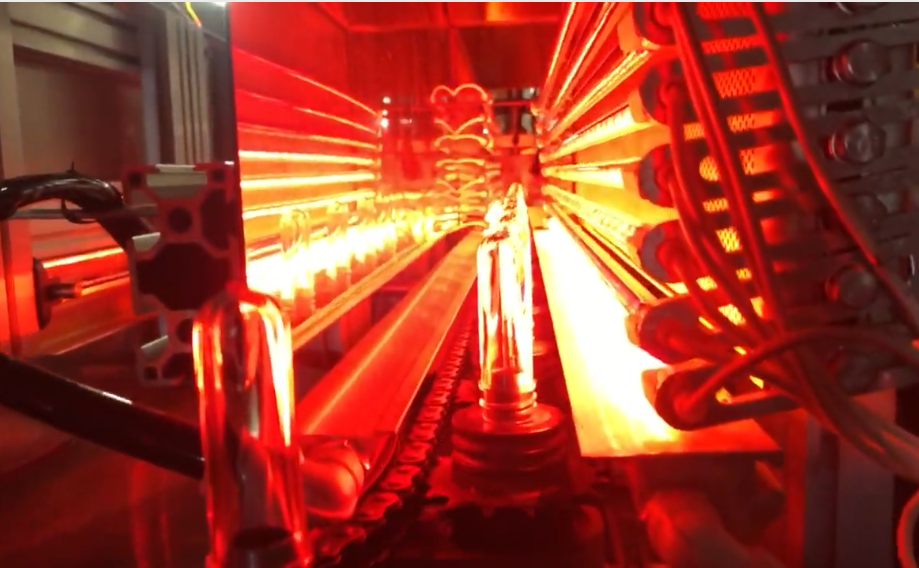
Getting the Heat Where It Actually Matters in Husky HyPET Systems
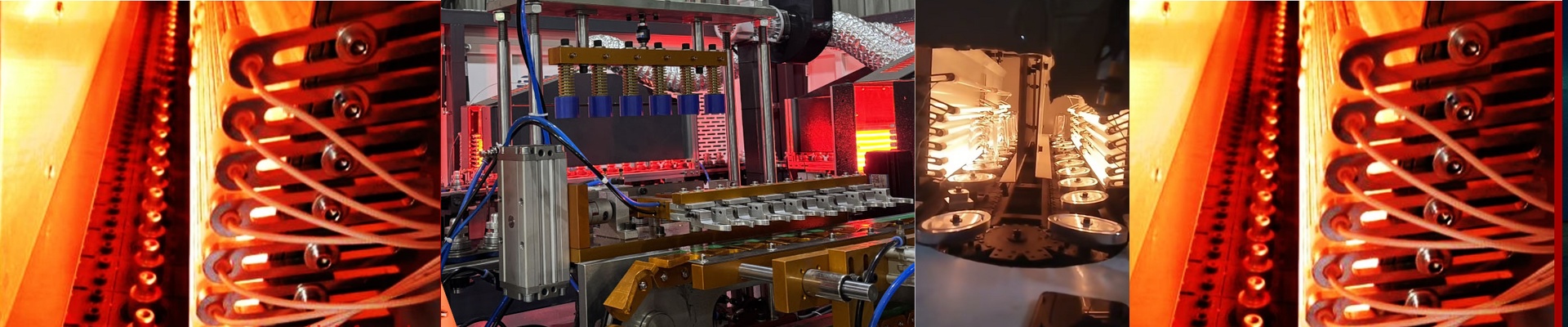
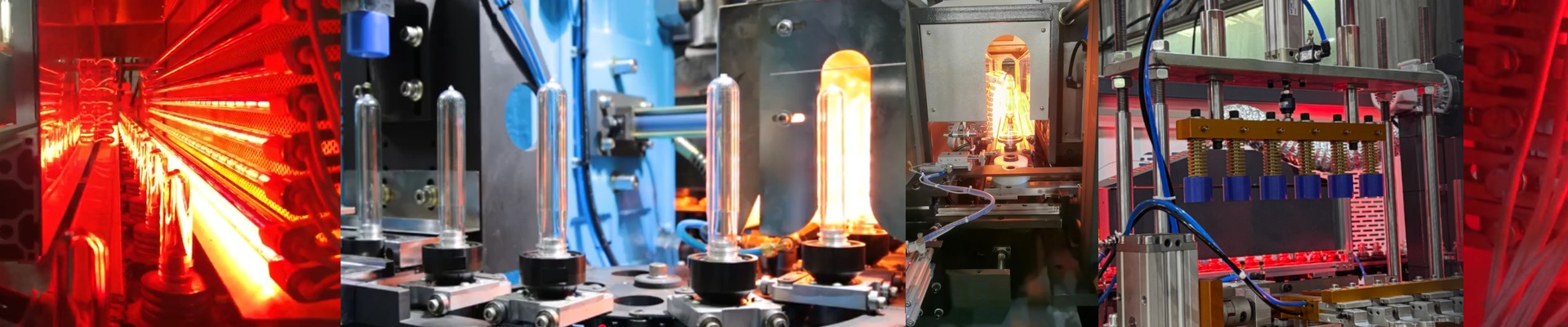
If you’re running high-speed Husky HyPET systems, you already know that raw power isn’t everything. You can crank up the wattage all you want, but if that heat just sits on the surface, you’ve got a problem. You end up scorching the outside of the preform while the middle stays cold. That’s where we come in. We build our quartz lamps to actually sink into the plastic. Instead of just heating the “skin,” our lamps target the specific absorption bands of PET. It means the core hits the right temperature before the exterior starts to degrade. The secret is in the wavelengths. To get heat deep into a thick wall, we play around with the halogen gas pressure and the filament mix. We shift the emission toward shorter wavelengths. Think of it as a shortcut—the energy bypasses the surface and dives straight into the center. We also push for high power density. It’s a concentrated blast of heat that cuts through the material fast. No lingering, no guessing. Built to just work. These aren’t some experimental prototypes. They’re drop-in replacements. We use high-purity fused quartz so the tubes don’t cloud up over time, and the connectors are tight. No gaps, no arcing at the terminals. When you slide these in, they fit perfectly. That’s a big deal because when your machine is cycling at top speed, the last thing you want is a loose connection vibrating itself into a failure. A quick heads-up on the trade-offs. Here’s the thing: when you pack that much heat into a small quartz tube, it gets intense. It solves your penetration problem, but it puts a lot of pressure on your oven’s ventilation. If your cooling blowers are tired or undersized, the ambient heat will build up. That’s a recipe for warped quartz or a shorter lamp life. We’ve balanced the filament length and voltage so these lamps can handle the stress of rapid on/off cycling without burning out. Just make sure your airflow is up to the task, and these lamps will do exactly what they’re supposed to do.