Getting Your Sidel Matrix Heat Just Right
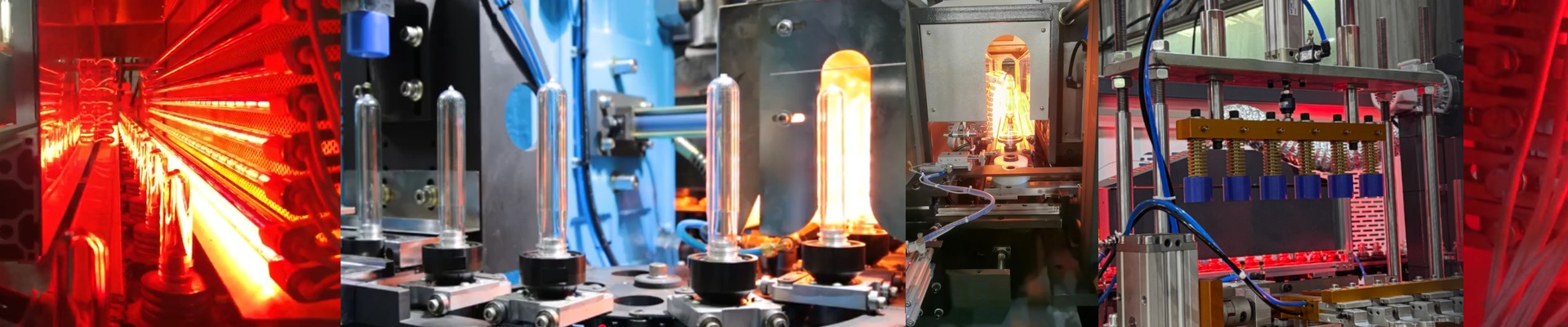
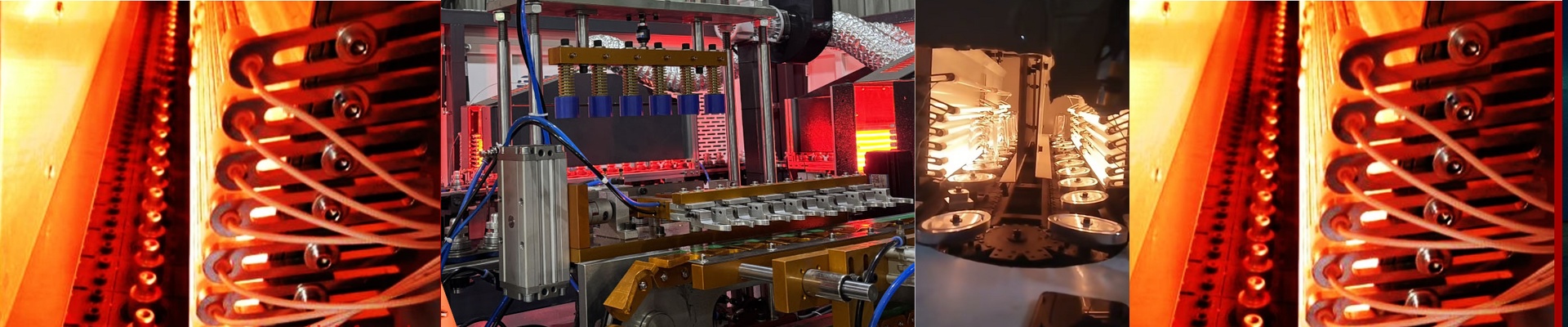
Here is the problem when you swap out OEM lamps in a Sidel Matrix: the temperature curve usually shifts. It’s a headache. If the wattage is off or the spectral output isn’t quite right, you’re stuck. Your PET preforms either come out under-heated or, even worse, scorched. We don’t think you should have to spend your entire shift rewriting oven profiles just because you changed a bulb. That’s why we build our infrared lamps to mirror Sidel’s original specs. You just drop them in and get back to work. The secret is in the physics. We spend a lot of time obsessing over the filament. To get that perfect match, we calibrate the voltage and wattage so the heat density per millimeter is exactly where it needs to be. If the lamp is supposed to be a certain length and power, we stick to those tolerances. No “close enough.” This keeps your temperature ramp-up steady across the whole heating zone. It’s not just about the heat, though. We use high-grade quartz glass and halogen gas fills. This lets us push the heat output without the filament burning out way too early. Then there are the connectors—R7s or Sk15. We machine these for a tight, snug fit. Why? Because a loose connection creates resistance. Resistance leads to localized overheating. And overheating leads to melted sockets. Nobody wants to deal with that. We make sure the mechanical footprint is spot on so you don’t have to worry about it. Real-world performance. These lamps are designed for the high intensity you need for rapid PET blowing. But a word of advice: since the heat density is so high, your oven’s ventilation and cooling fans need to be in great shape. If your airflow is clogged, even the best lamp in the world will overheat your preforms. We build these for high-output environments where every minute of downtime costs you money. You wire them up, set your curves, and the machine just runs. No guesswork. No stress.