Why Your Oven’s Heating Tubes Actually Matter
Most people starting out with baking make the same mistake. They think of heat like a light switch—it’s either on or it’s off. But if you’re running a professional pizza oven, that mindset will kill your crust. The heating tube is basically the heart of the whole operation. If it can’t stay locked into a specific temperature, you’re going to end up with those frustrating pizzas—the ones with burnt tops and raw, doughy centers.
Keeping the Heat Steady
To get that perfect bake, your heating tube needs to listen to the controller instantly. We use quartz glass and specific alloys for a reason: they hit the target temperature fast without overshooting it. Think about what happens when you slide a cold pizza onto a hot stone. The temperature drops. Immediately. If your tube is slow to recover, you’ve got a “dip” that ruins the cook. You need that heat to snap back into place the second it drops.
The Balance of Power
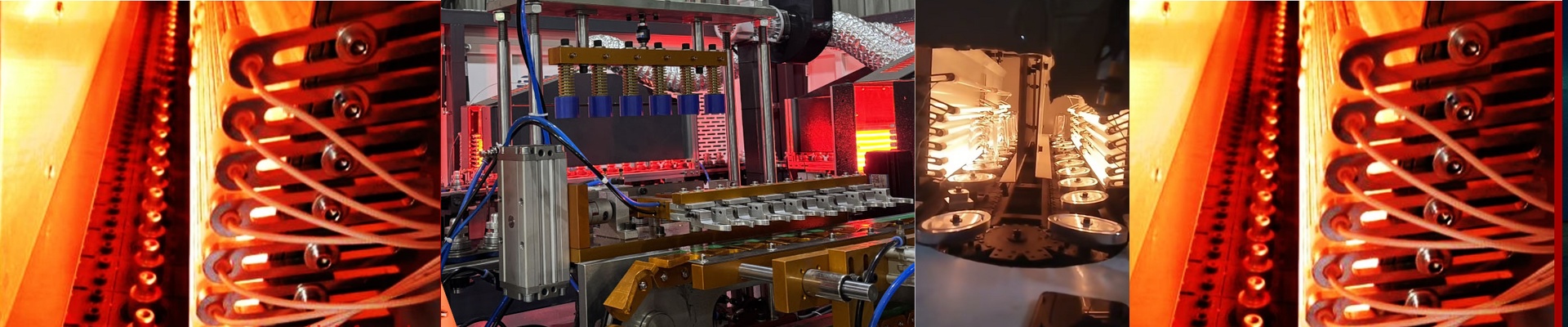
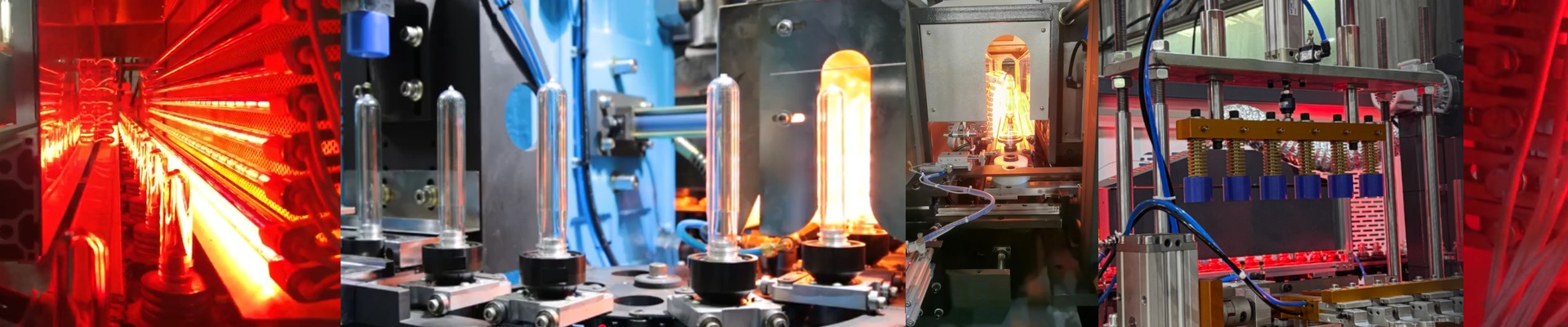
We design these tubes for high heat density. Because they’re quartz, the infrared radiation goes straight through the glass and hits the dough. It’s way faster than just waiting for the air to get hot. But there’s a catch with the wattage. If you cram too many watts into a short tube, you create a hot spot. That’s a great way to burn out your filament early. Longer tubes spread the heat out better, but they need more juice to keep the surface temperature where it needs to be. It’s all a balancing act.
The Trade-off: Precision vs. Wear
Here’s the honest truth: precision isn’t free. When you’re constantly cycling the temperature to keep it exact, you’re putting a lot of stress on the element. The metal expands and contracts over and over. Eventually, the material just gets tired. If you want to keep your bakes consistent, you need a tube that doesn’t “drift” as it ages. Keep an eye on your voltage drops. If the resistance starts shifting, your controller is basically fighting a losing battle, and your pizzas will show it.