
Keeping Animals Warm Without the Electrical Nightmares
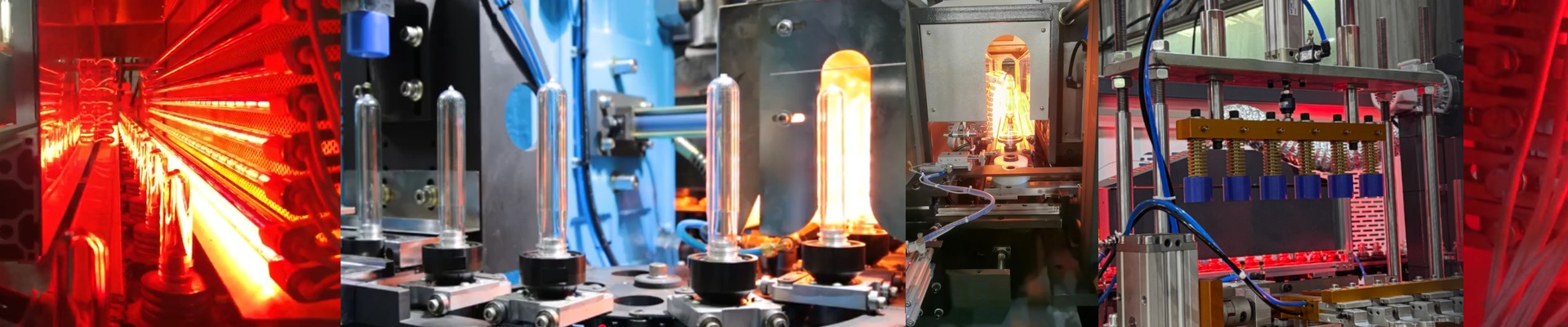
We build waterproof infrared heaters because, let’s be honest, livestock environments are messy. Between the humidity in a chicken coop and the dampness of a changing area, a standard electric heater is basically a ticking time bomb. It’ll short out or rust through in no time. The secret here is that we aren’t trying to heat the air. That’s a waste of energy. Instead, we’re sending heat straight to the animals and the surfaces they’re sitting on.
Why it feels warm instantly
You know that feeling when you step into a cold room but feel the sun hitting your skin through a window? That’s exactly how this works. The heater sends out waves that travel at the speed of light. They don’t care if the air around them is freezing; they only turn into heat the moment they hit something solid. You get a burst of warmth the second you flip the switch. No waiting around for the air to circulate. It’s just… warm.
Dealing with the damp
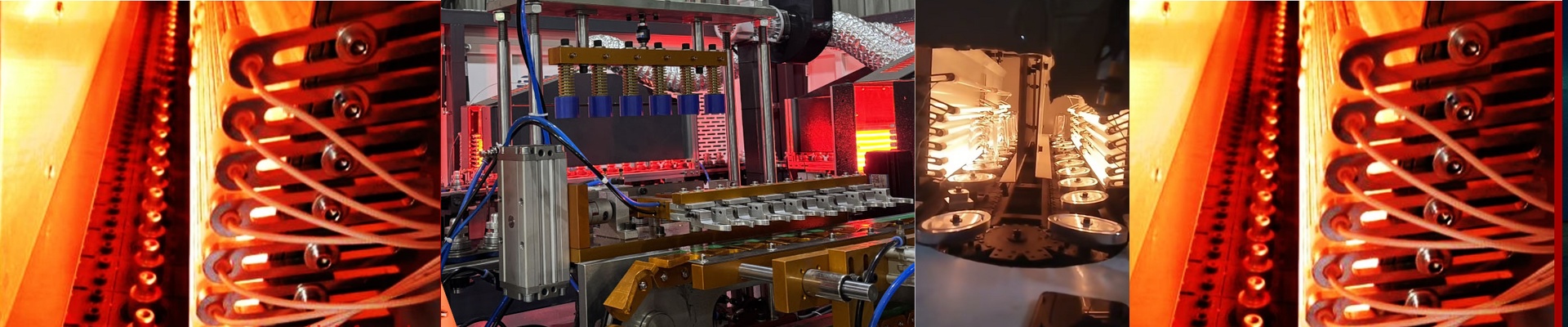
Moisture is the enemy. To stop water from sneaking into the wiring, we use sealed gaskets and IP-rated housings. We also wrap the heating elements in quartz glass or a special coating so they don’t oxidize and flake away. But there’s a tricky part. You can’t just shove a massive, high-wattage lamp into a tiny sealed box, or you’ll fry the internal guts of the machine. We spend a lot of time balancing the size of the housing so the electronics can breathe, while still keeping the rain and humidity out.
Getting the setup right
These things pack a punch, which means placement is everything. If you hang them too low, you’re going to scorch your surfaces—or worse, burn your animals. But if you mount them too high, that cozy feeling disappears because the heat spreads out too thin. You’ve got to find that “sweet spot” based on the wattage you’re using. One last thing: check your breakers. These arrays pull a lot of power. If you’re plugging these into an old circuit, you might find your lights flickering or your wires getting too hot. It’s usually worth upgrading your wire gauge just to be safe.