Can a Simple Lamp Swap Actually Boost Your Bottle Output?
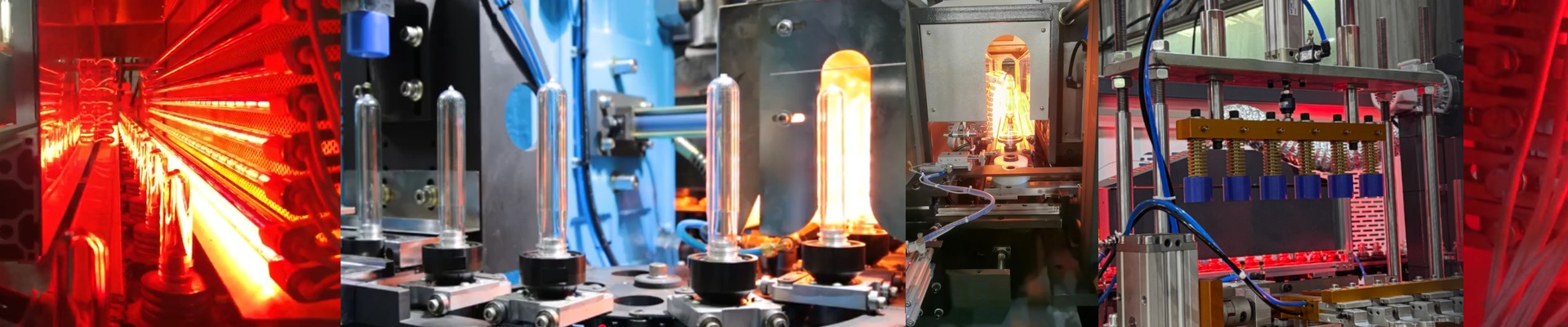
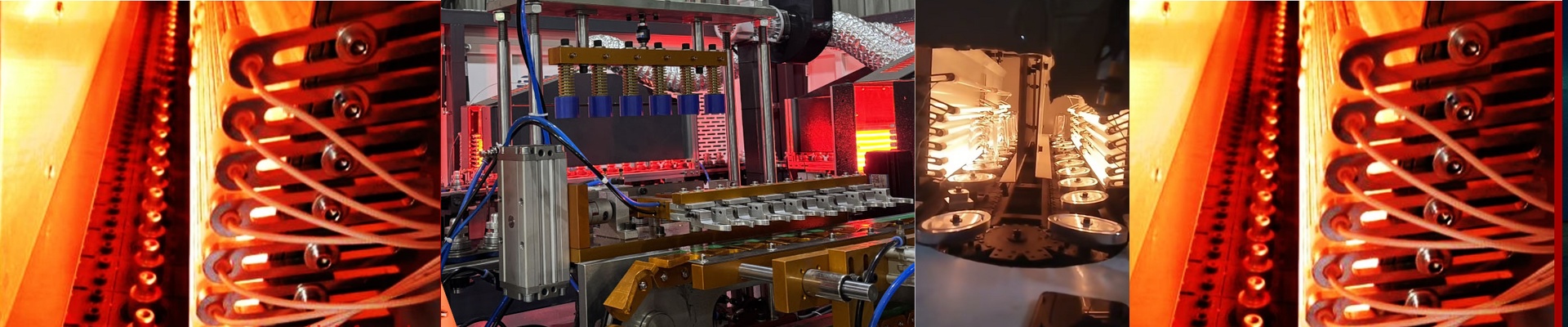
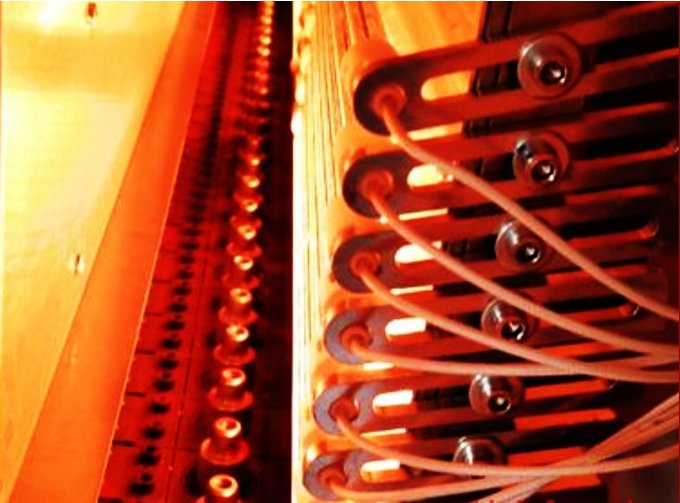
If you’re running an older SIPA or one of those mid-tier blow molding machines, you know the feeling. You’re pushing the machine as hard as it can go, but you’ve hit a wall. You need more bottles per hour, but the machine just won’t budge. Usually, the culprit is the oven. When your PET preforms aren’t heating up evenly, you start seeing those annoying wall thickness issues or that cloudy, pearlescent look. It’s frustrating. You’re fighting the equipment instead of running the line. The trick is in the heat. Switching out your standard lamps for high-density short-wave infrared tubes changes the whole game. We use quartz glass infused with halogen to really concentrate that energy. Basically, the lamps get hot faster and the heat actually sinks into the PET wall instead of just bouncing off the surface. Now, here’s where the math comes in. If you put a higher wattage tube into the same footprint, you’re pushing more BTUs into the preform. It speeds up the heat-up cycle. And when that happens? You can crank up your cycle speed without worrying that your bottles are going to come out looking like a mess. Getting them in is the easy part. You don’t need to tear apart your oven or rewire the whole shop. These are designed to be drop-in replacements. We stick with standard R7s or SK15 connectors, so they just click right into your existing sockets. The real secret, though, is the coating on the quartz. We use specific reflectors to aim the IR energy straight at the preform. It stops the heat from leaking into the oven walls and keeps it exactly where it needs to be. But, there is a catch. More heat means more stress on your gear. If you go too heavy on the wattage, you might bake your internal components. Your cooling fans and vents have to be able to kick that extra ambient heat out of the oven. If your cooling system is a bit weak, you’ll notice the oven temperature drifting, which kills your heating profile. So, before you bump up the power, just take a quick look at your airflow. Make sure your fans are breathing easy, and you’re good to go.