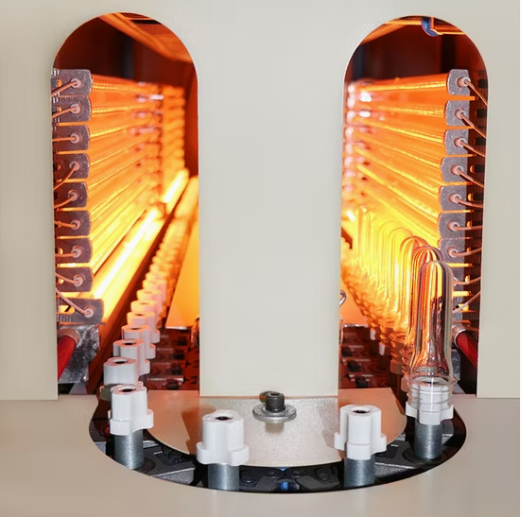
Getting the Heat Where it Actually Matters in Husky HyPET Systems
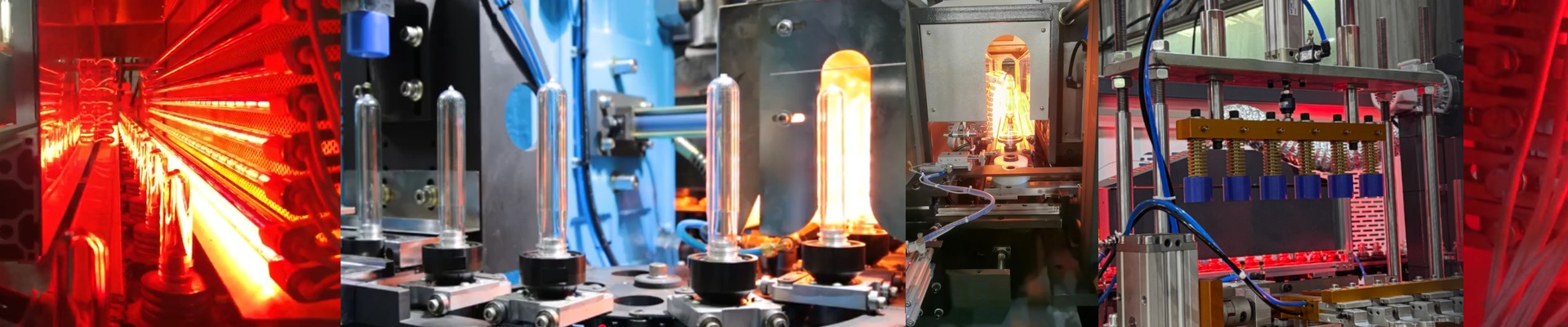
If you’re running Husky HyPET high-speed systems, you know the struggle. The biggest headache is usually that thermal gradient in the PET preform. When the heat just sits on the surface, you end up with thin walls and stretching that looks… well, uneven. We built our replacement lamps for Nissei ASB and Husky systems to fix that. The goal is simple: push the infrared energy deep into the plastic core, not just the skin.
The secret to deep heating
It all comes down to the light spectrum. We lean heavily on short-wave infrared (SWIR) radiation. Think of it this way: instead of just scorching the outside, this energy punches through the preform wall. It heats the material from the inside out. That means you don’t have to worry about the outer layer overheating while the center is still cold. We also crank up the wattage density. By pushing more power through a high-precision quartz envelope, we get a much stronger radiant flux. It’s fast. Really fast. And that means your preforms hit the right blowing temperature in a shorter window—which is exactly what you need when you’re running high-cycle machines.
Swapping them out
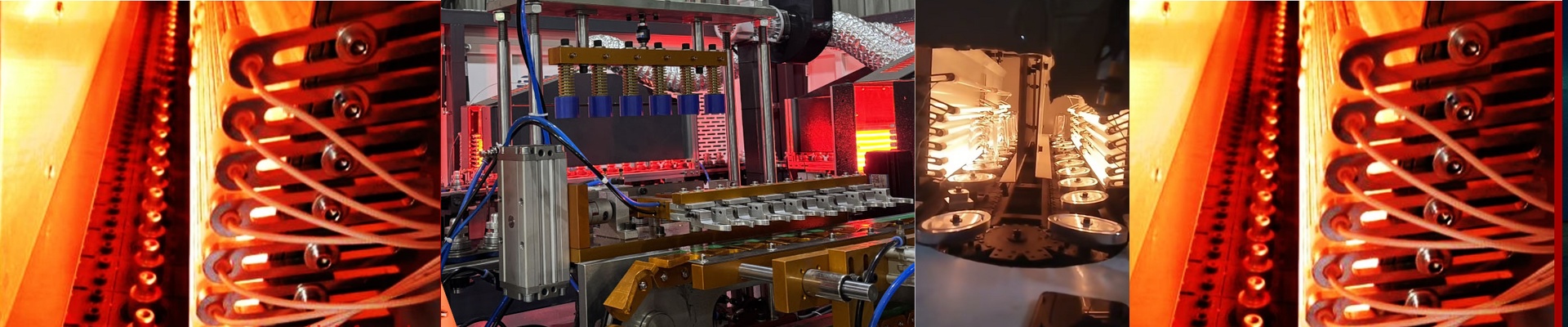
These are drop-in replacements. No headaches here. We use standard R7s or SK15 connectors, so you won’t be spending your weekend rewiring the oven. We also use high-purity quartz glass. It’s tough. It can handle the brutal thermal cycling without burning out early. But here’s a tip: these high-output lamps put a lot of pressure on your reflection chambers. If your reflectors are pitted or oxidized, you’re basically throwing away the extra power. Keep them polished. It makes a world of difference.
A few things to watch out for
Now, these lamps put out a massive amount of heat. That’s the point, but it means they run hot. Before you flip the switch, double-check your cooling blowers. You need to make sure they can handle the higher ambient temperature inside the oven. If the airflow is choked, you might warp your lamp holders or kill your filaments way sooner than you should. It’s all about the balance. Match your lamp power with your cooling capacity, and you’ll avoid those annoying, unplanned shutdowns.