
Getting the Heat Right: Why IP65 Infrared Elements Actually Work
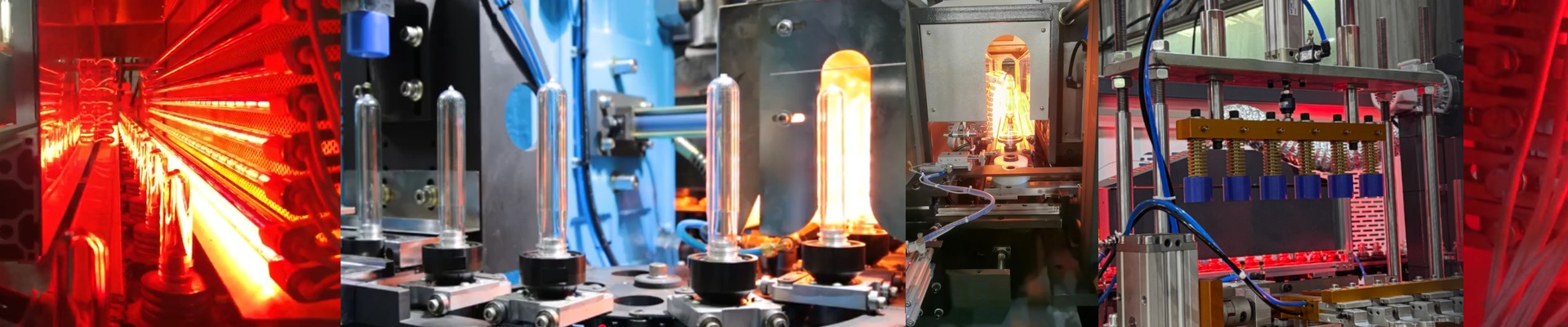
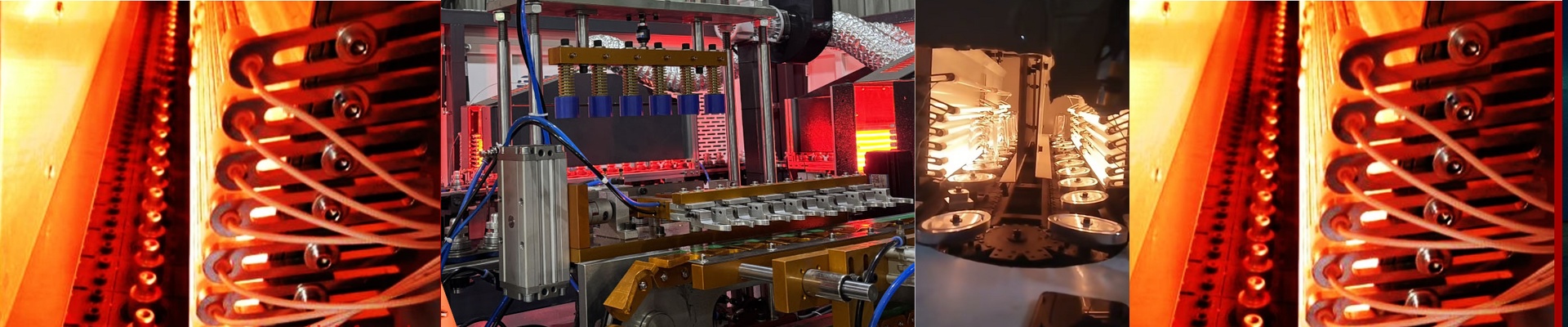
If you’ve ever stepped into a changing room or a wet area, you know the struggle. You turn on the heat, but the air just feels cold because it escapes too fast. Convection heating just can’t keep up in those spots. That’s why we use shortwave infrared (IR) elements. Instead of trying to warm up the air—which is basically a losing battle—these lamps send energy straight to the surface. It’s like stepping into sunlight. You feel the warmth instantly. No waiting around. No shivering.
The battle against steam
Here’s the thing: water is the enemy of electronics. In a locker room, steam and moisture get everywhere, and that’s usually why heating elements die. We use IP65-rated replacements to keep the dust and dampness away from the electrical terminals. A basic lamp will just short out or corrode the moment the room gets steamy. But with an IP65 seal, you aren’t worrying about humidity causing a premature burnout. It just stays running.
What’s inside
We wrap the tungsten filament in high-purity quartz glass. Why? Because these things go from cold to scorching hot in a heartbeat, and quartz is the only thing that handles that kind of thermal shock without cracking. Depending on your power setup, we have different wattages and voltages. Most of these are simple drop-in replacements. You can slide them into your existing reflectors without having to rip out the wiring or redo the whole housing. Easy.
A few things to watch out for
Now, high heat is great, but you have to be smart about it. These elements runhot. If you put a high-wattage lamp in a tiny enclosure, you might warp the reflector or trip the thermal cutoff. It’s a bit of a balancing act. Also, double-check your wiring gauge. High-wattage IR tubes pull a lot of current. If your connections are old or oxidized, the voltage drops, the lamp never hits the right temperature, and that “instant heat” feeling disappears. Give your connectors a quick scrub before you wire everything up. It saves you a headache later.