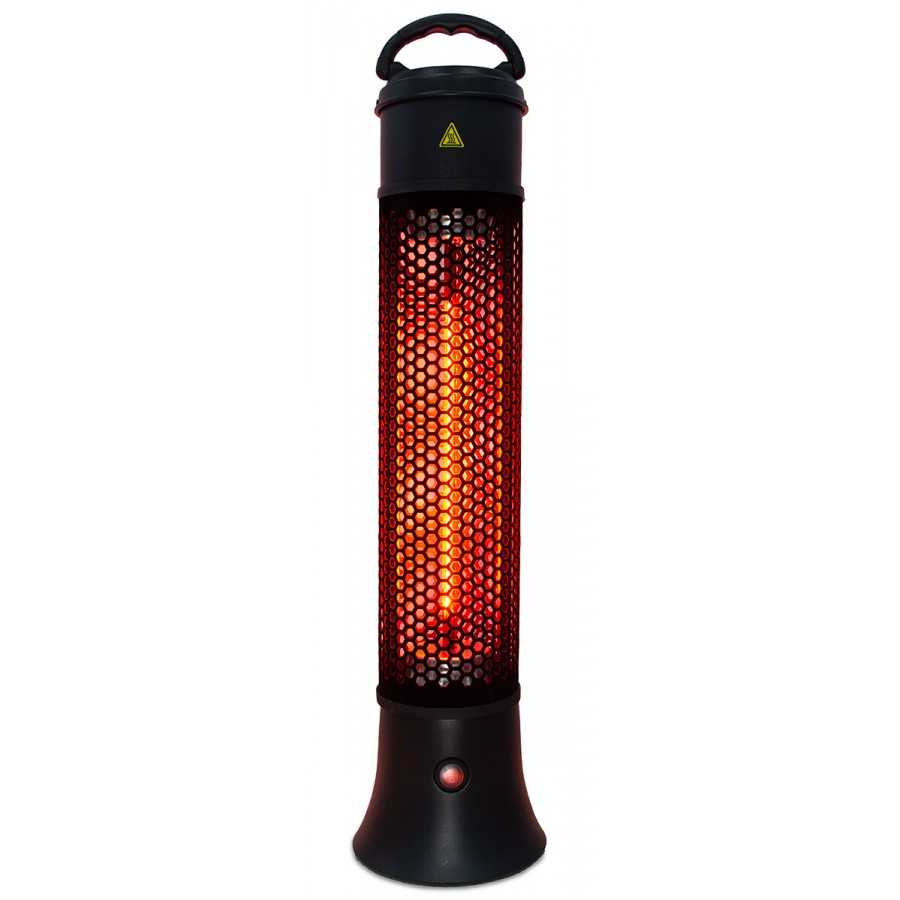
The Modern Electric Heater: Built for Power, Precision, and Peace of Mind
Let’s talk about a heater that’s not messing around. We built this for industrial work—the kind of places where space is at a premium and you need heat you can count on, down to the last degree. Forget a basic lamp. This is a compact powerhouse, engineered to pack a serious punch in a small footprint, with rock-solid control.
What’s Under the Hood: Power, Voltage, and Size
Here’s the thing about industrial gear: the specs aren’t just numbers on a page. They’re choices that make your job easier. We went with a 400V rating. Why? Because it keeps the current draw down. That means your wiring stays simple, and you don’t have to fight voltage drop, even over longer runs. Then there’s the 2500W of power. It’s a lot of heat, concentrated in a small space. The payoff? You get up to temperature fast. No waiting around. And the 300mm length? It’s the sweet spot. Long enough to create a nice, even heating zone, but short enough to slip into tight spots inside your equipment.
The Design That Does the Job
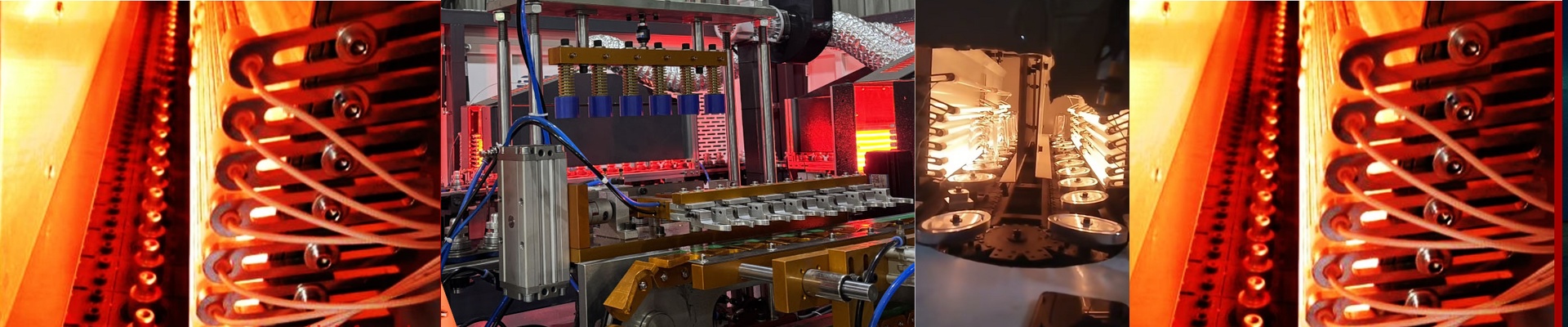
This is where the details matter. We use halogen technology to keep the quartz envelope stable, even when the filament runs hot. The result? Consistent heat output, day after day. The quartz body itself is tough—it shrugs off thermal shock and can handle harsh conditions without blinking. We also added a protective coating. It keeps the surface clean and makes wiping it down a breeze, which helps the heater maintain its performance over time. And the R7s connector? It’s a proven, industrial-grade standard. You get a secure, quick-connect setup that makes wiring quick and painless.
Where It Shines (and What to Keep in Mind)
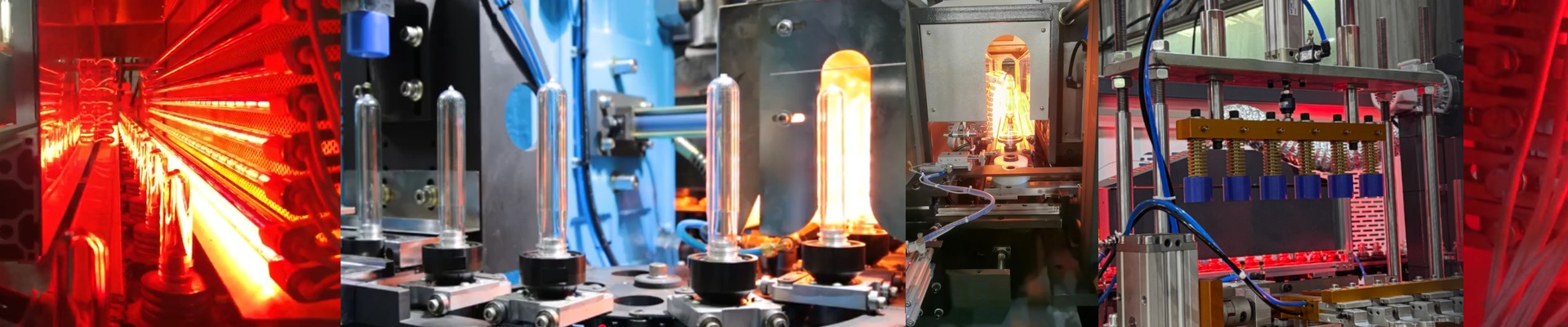
This heater is at home wherever you need intense, focused heat. Think PET blowing, pre-heating plastics, or sealing packaging. It delivers predictable heat, installs with ease, and is built tough enough to handle the daily grind of heating up and cooling down. But here’s the one thing to keep in mind: that high power density means the surrounding equipment needs proper cooling. Make sure you plan for thermal management to prevent overheating.