Introduction
Picture this: you’re on the factory floor, and time is money. Actually, time is heat. That’s where these heaters come in. We built them for industrial jobs where you need heat, and you need it now. They’re not your average space heater. These are halogen-based quartz lamps, pure and simple—designed to get scorching hot, fast, and pack a ton of power into a tiny footprint. They’re built to fit right into a tight spot on your line and deliver heat exactly where you need it, when you need it.
What Makes Them So Fast?
Here’s the secret: it all starts with getting the power right. A lot of these industrial units run on a 400V supply at 2500W. Why? Because higher voltage means lower current for the same power. And lower current means you can use smaller wires and smaller connections. It also means less voltage drop over distance. So, you get the power you need, where you need it, without a fuss. Then there’s the size. The 300mm tube is just the right length—compact enough to fit where you need it, but focused enough to concentrate all that heat right where you want it. No need to tear your machine bay apart to make it work.
The Heart of the Machine
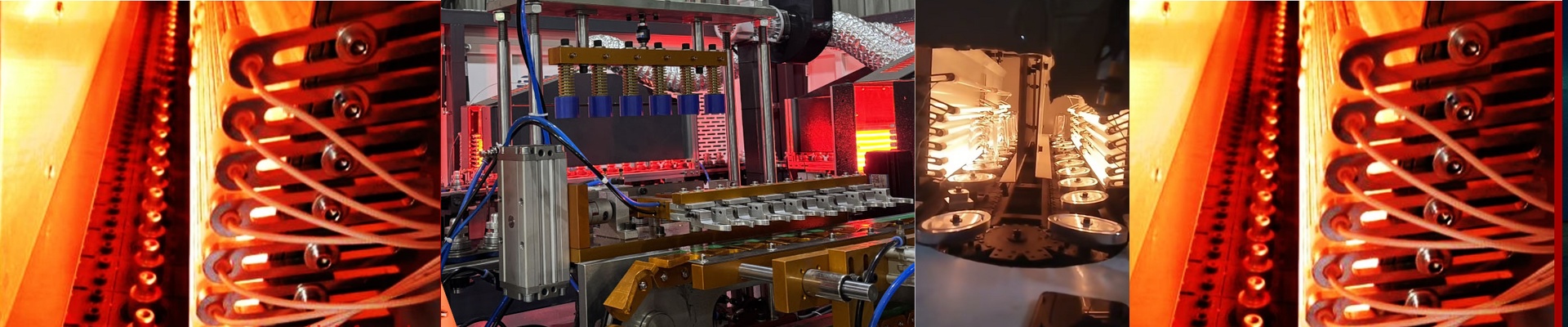
The real magic is inside the tube. Halogen elements, tucked away inside a quartz envelope, are the reason for the speed. The halogen cycle keeps the filament stable, even when it’s running white-hot. This means it can heat up quickly, over and over again, without the filament burning out fast. The quartz tube just shrugs off the extreme heat and gets the energy where it needs to go. And let’s not forget the connectors. We use R7s because they can handle the heat and give you a solid, reliable connection. You wire it up, clamp it in, and it just stays put. No wiggle, no worry.
Where They Shine
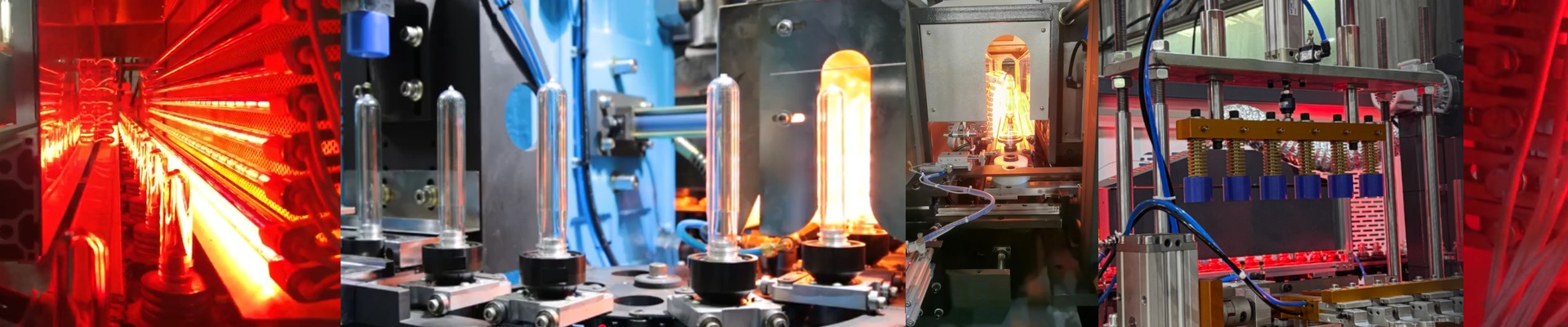
These heaters are purpose-built for jobs like PET blowing and other plastic processing. You know how it is: you need intense, localized heat to melt or form material on the fly, and you need it to be fast. That’s exactly what these do. The quick response time means less waiting around and more control over your process. Now, there’s a trade-off. All that power in a small space means you need to plan for proper cooling and give it some room to breathe. But get the heat zone sized right, match the voltage, and you get performance you can count on. No overthinking, no over-engineering. Just predictable, reliable heat.